

The Writer Who Became His Own Greatest Mystery
Edgar Allan Poe spent his career terrifying readers with stories of madness, murder, and unexplained deaths. But in October 1849, the celebrated author became the central figure in a mystery more disturbing than almost anything he had written. Found in Baltimore in a state of severe confusion, Poe spent his final hours repeatedly calling out the name "Reynolds"—and historians still cannot conclusively explain exactly who or what he was referring to.
 Unknown author, Wikimedia Commons
A Terrifying Discovery In Baltimore
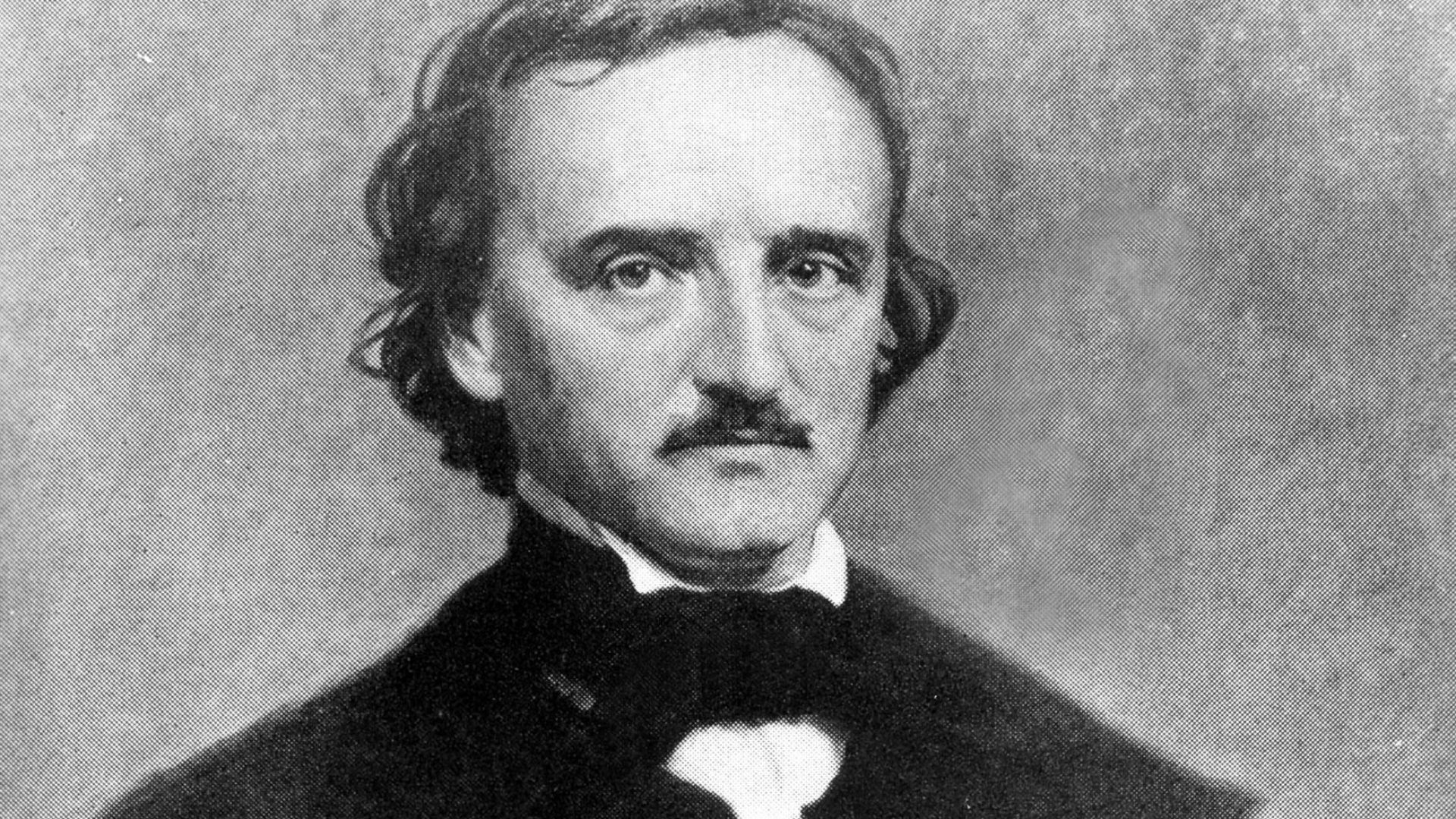
On October 3, 1849, a printer named Joseph W. Walker encountered a desperately ill man at or near Gunner's Hall, a Baltimore tavern serving as a polling place. The stranger was disheveled, confused, and apparently incapable of looking after himself. Walker soon discovered that the unfortunate man was Edgar Allan Poe, one of America's most recognizable literary figures.
 Mariane de Miranda da Silva, Wikimedia Commons
Something Was Horribly Wrong
Poe's condition was alarming enough that Walker immediately sought assistance from someone who knew him. The writer appeared severely disoriented, and later accounts described him as barely conscious when he was discovered. Although the episode has sometimes been characterized as a fugue state, there is no evidence that Poe was ever diagnosed with that specific medical condition.
 Deratcha27 at English Wikipedia, Wikimedia Commons
The Desperate Message That Survived
Walker sent an urgent note to Joseph E. Snodgrass, an acquaintance of Poe's who lived in Baltimore. In the message, Walker described the writer as being in "great distress" and needing immediate assistance. Remarkably, this surviving document remains one of the most important pieces of evidence concerning Poe's final days.
 Screenshot from The Raven, Relativity Media (2012)
He Was Wearing Someone Else's Clothes
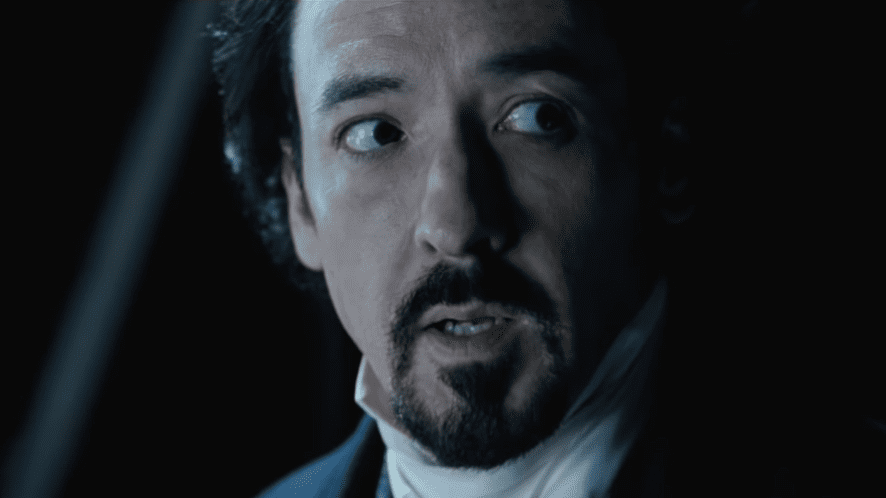
When Snodgrass arrived, he was shocked by Poe's appearance, particularly his shabby and badly fitting clothing. He later described an inexpensive hat, a secondhand coat, and trousers that seemed completely unsuitable for the normally well-dressed writer. The strange outfit raised an unsettling question that has never been satisfactorily answered: What had happened to Poe's own clothes?
 Screenshot from The Raven, Relativity Media (2012)
Then There Was The Missing Week
The mystery became even more troubling when investigators of Poe's life attempted to reconstruct his movements. He had left Richmond, Virginia, on September 27, apparently intending to travel north through Baltimore toward Philadelphia and New York. By the time he was discovered on October 3, several days had passed without a reliable account of his whereabouts.
He Had Been Planning A New Beginning
Only weeks earlier, Poe's personal life had appeared to be moving in a promising direction. He had renewed his relationship with Sarah Elmira Royster Shelton, a wealthy widow who had been his sweetheart during his youth. According to the Poe Museum, the couple intended to marry, and Poe was making arrangements to relocate to Richmond.
 Screenshot from The Pale Blue Eye, Cross Creek Pictures (2022)
His Life Had Already Been Marked By Tragedy
Poe's hopes for a happier future were especially significant considering the losses he had endured. His wife, Virginia Clemm Poe, had died of tuberculosis in January 1847 after years of declining health. Her death deeply affected the writer, whose financial troubles and emotional struggles continued even after he achieved literary fame.
He Had Important Business Waiting
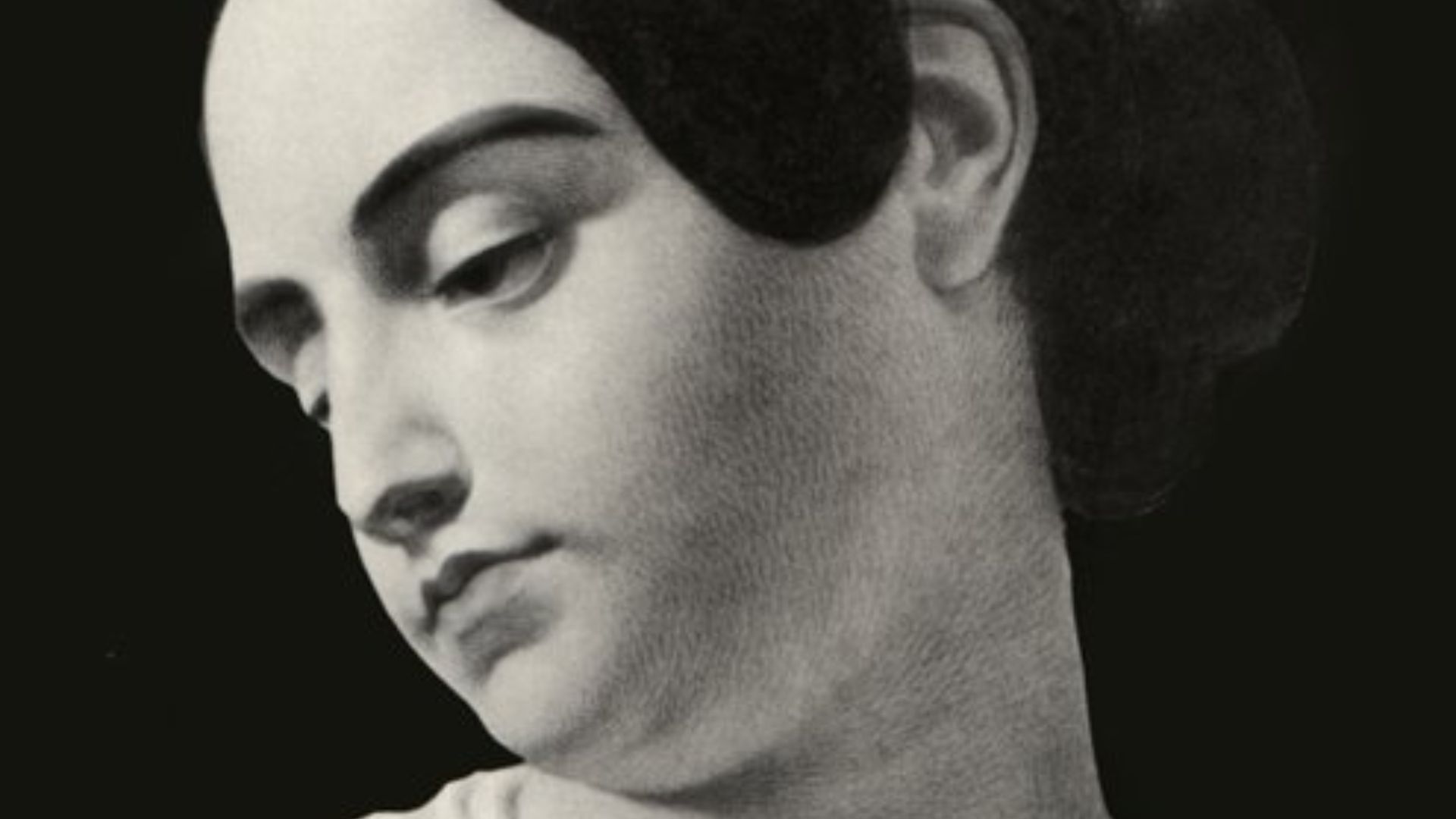
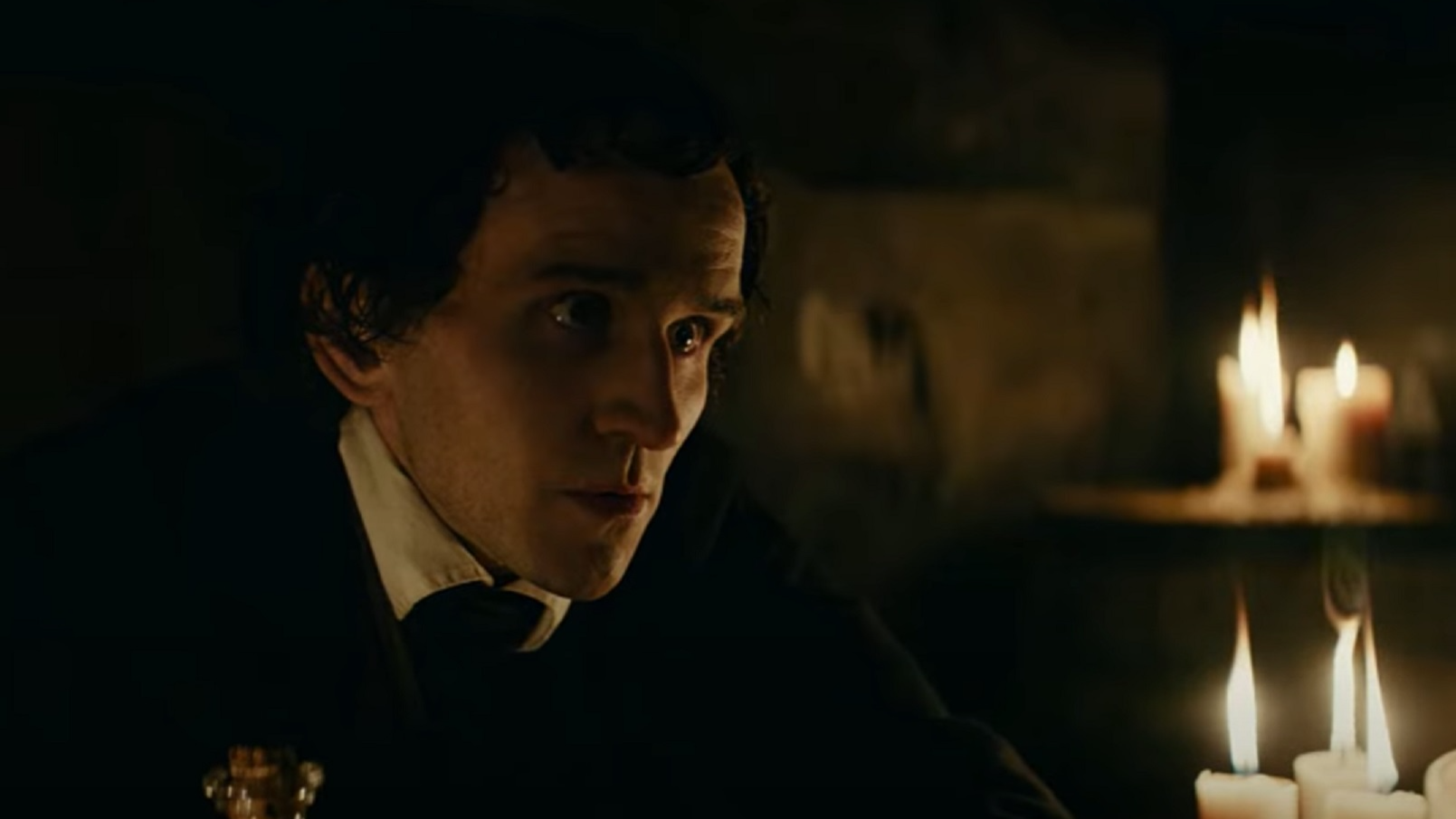
Poe's journey north was not supposed to end in Baltimore. He intended to attend to literary business in Philadelphia before continuing to New York, where he planned to collect his mother-in-law, Maria Clemm. His eventual return to Richmond was supposed to help establish the next chapter of his personal and professional life.
 Screenshot from The Pale Blue Eye, Cross Creek Pictures (2022)
His Disappearance Defied Explanation
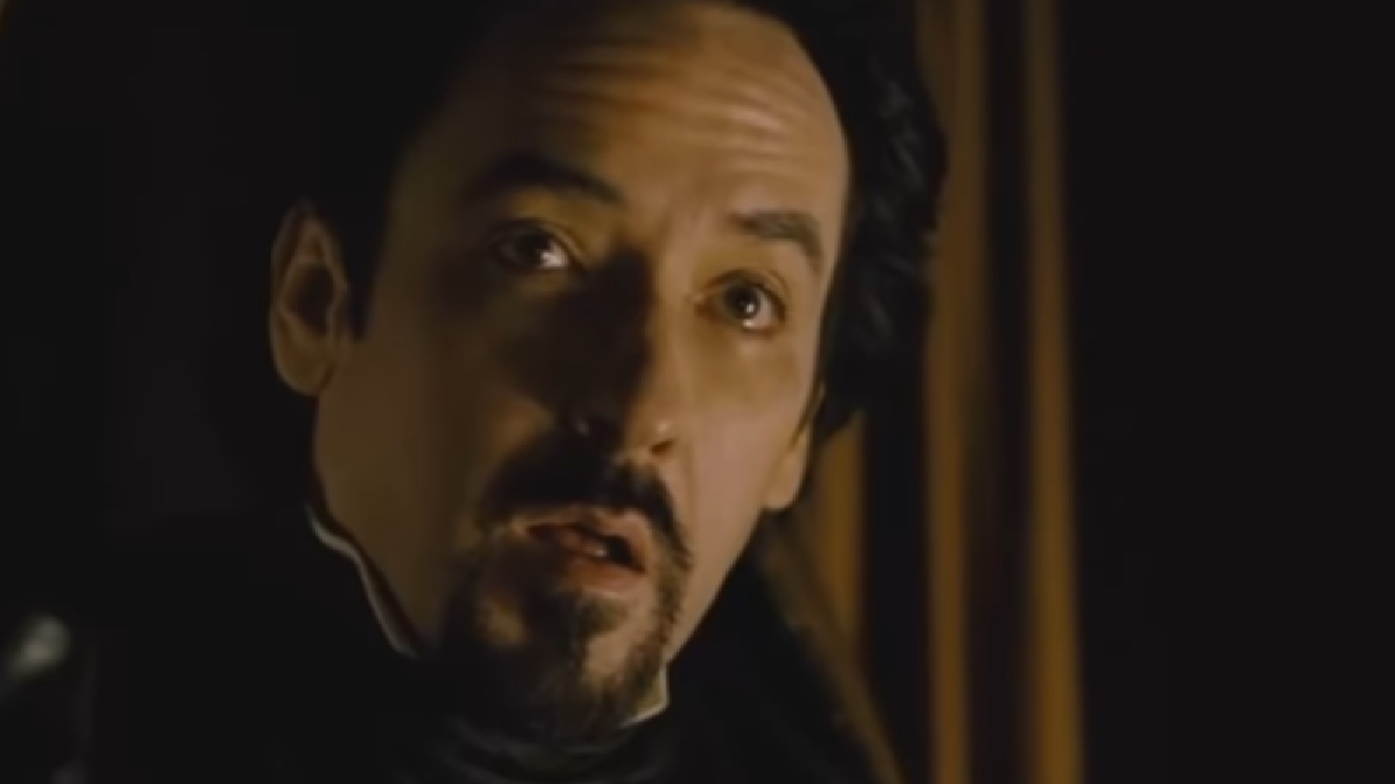
Precisely what happened after Poe reached Baltimore remains one of the central unanswered questions surrounding his death. No reliable continuous record establishes where he stayed, whom he encountered, or whether he successfully continued toward Philadelphia. Despite generations of research, historians have never reconstructed those missing days with certainty.
 Screenshot from The Raven, Relativity Media (2012)
His Friends Feared The Worst
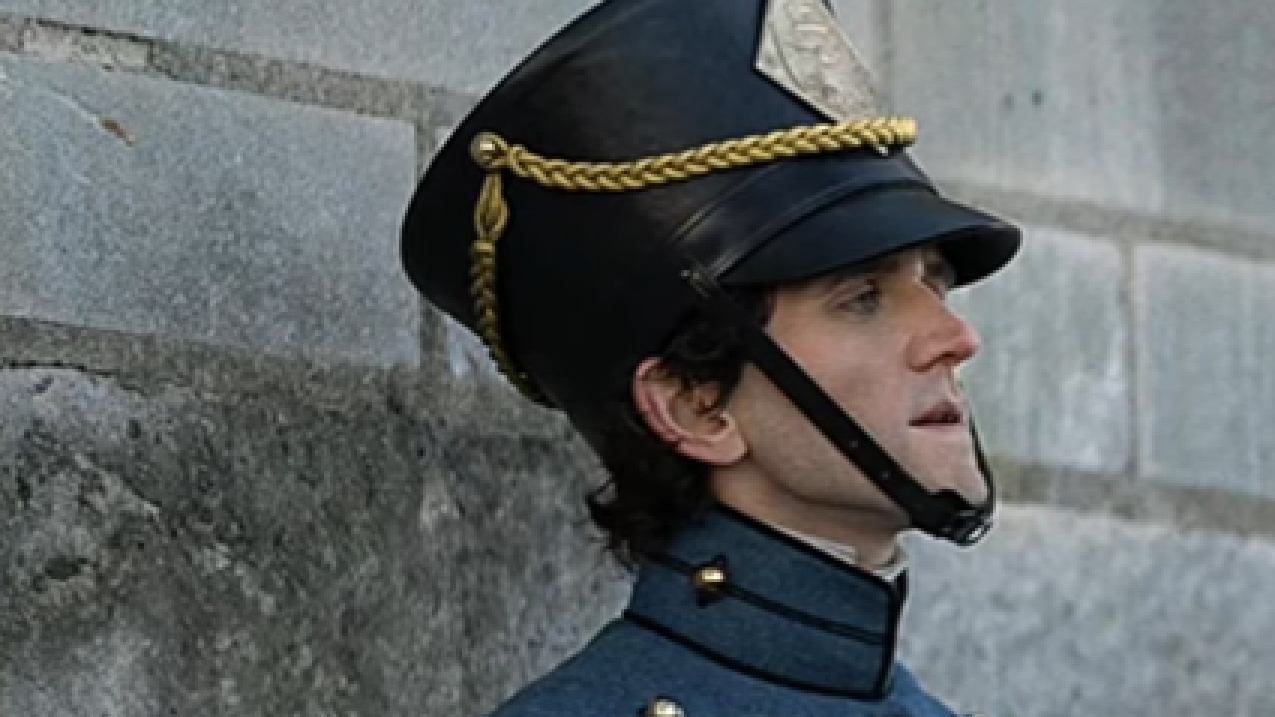
When Snodgrass reached Poe on October 3, he concluded that the writer was suffering from intoxication. Poe's uncle by marriage, Henry Herring, became involved, and the men arranged to have him transported to Washington College Hospital. Their interpretation of his condition would eventually influence one of the most persistent explanations for his death.
 Screenshot from The Pale Blue Eye, Cross Creek Pictures (2022)
The Hospital Became His Final Home
Poe was admitted to Washington College Hospital on the afternoon of October 3, 1849. He came under the care of Dr. John J. Moran, the physician whose recollections would later dominate accounts of the writer's final hours. Unfortunately, Poe's condition prevented him from providing a clear explanation of what had happened.
 Screenshot from The Pale Blue Eye, Cross Creek Pictures (2022)
His Mind Was Slipping Away
According to Moran's account, Poe experienced periods of unconsciousness interrupted by confusion and delirium. The physician described him talking to imaginary figures and staring toward objects that apparently existed only in his mind. His body was also reportedly trembling, and he suffered episodes of heavy perspiration as his condition deteriorated.
 Screenshot from The Pale Blue Eye, Cross Creek Pictures (2022)
Even His Family Could Not See Him
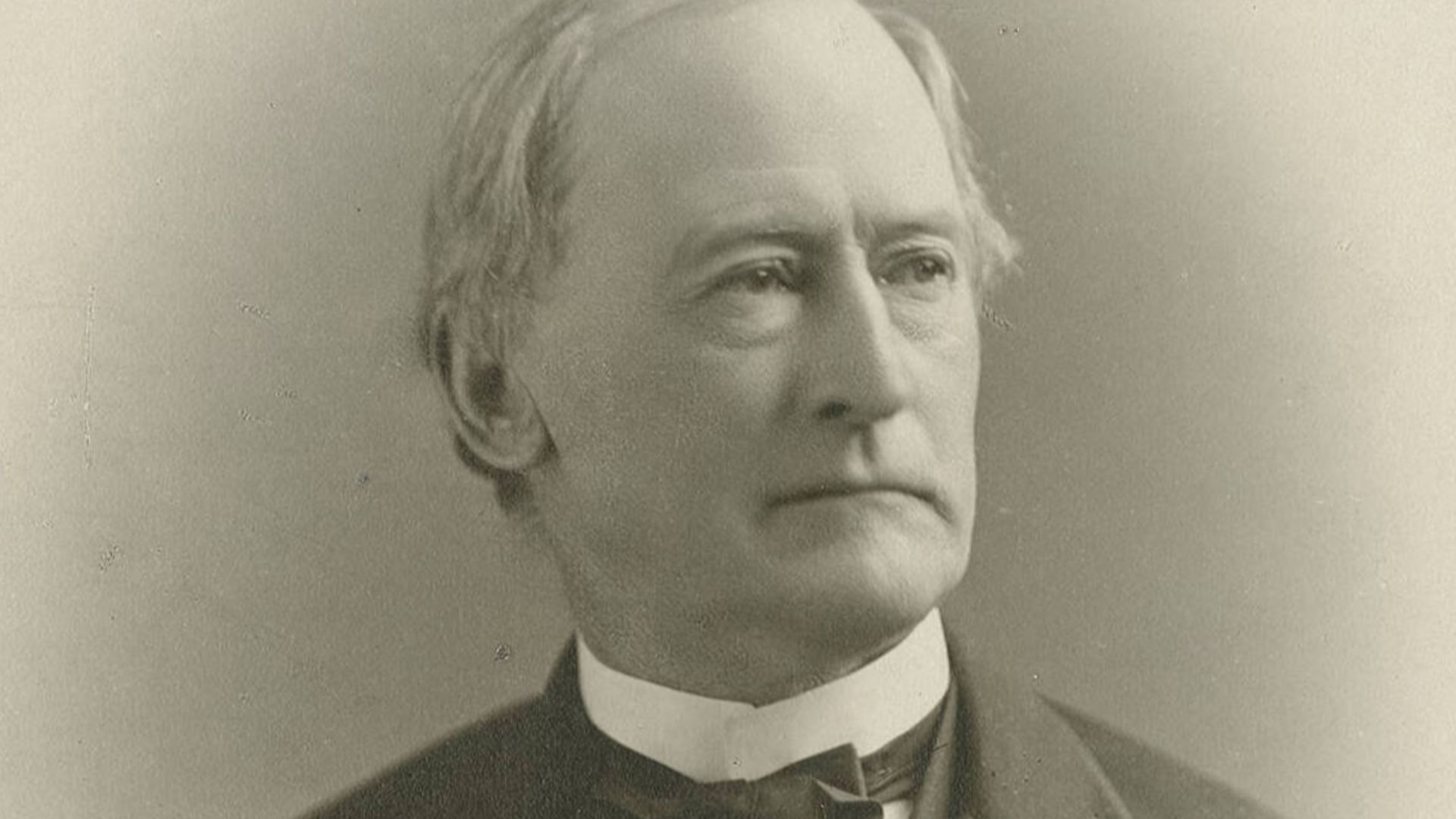
Poe's cousin Neilson Poe learned that the writer had been hospitalized and attempted to visit him. The doctors refused the visit because they considered their patient too excitable to receive company. Neilson later sent fresh clothing to the hospital, but he never managed to speak with his dying relative.
 Unknown authorUnknown author, Wikimedia Commons
His Answers Made Little Sense
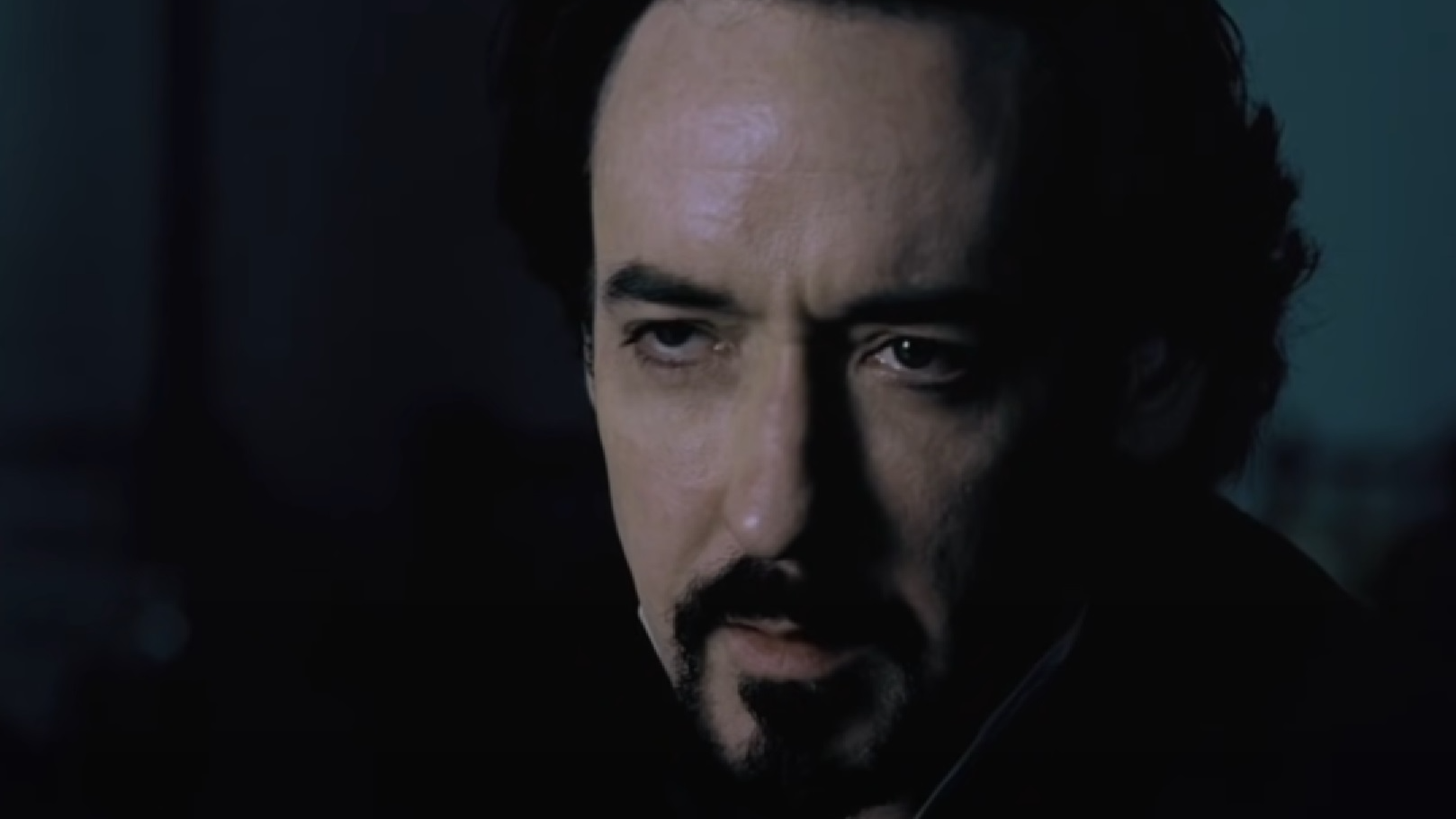
During a temporary improvement, Moran attempted to question Poe about his family, his travels, and the circumstances that had brought him to Baltimore. The writer reportedly offered confused responses and claimed to have a wife in Richmond, although his intended marriage had not yet taken place. He also seemed unable to explain what had become of his luggage.
 Screenshot from The Raven, Relativity Media (2012)
His Despair Was Impossible To Ignore
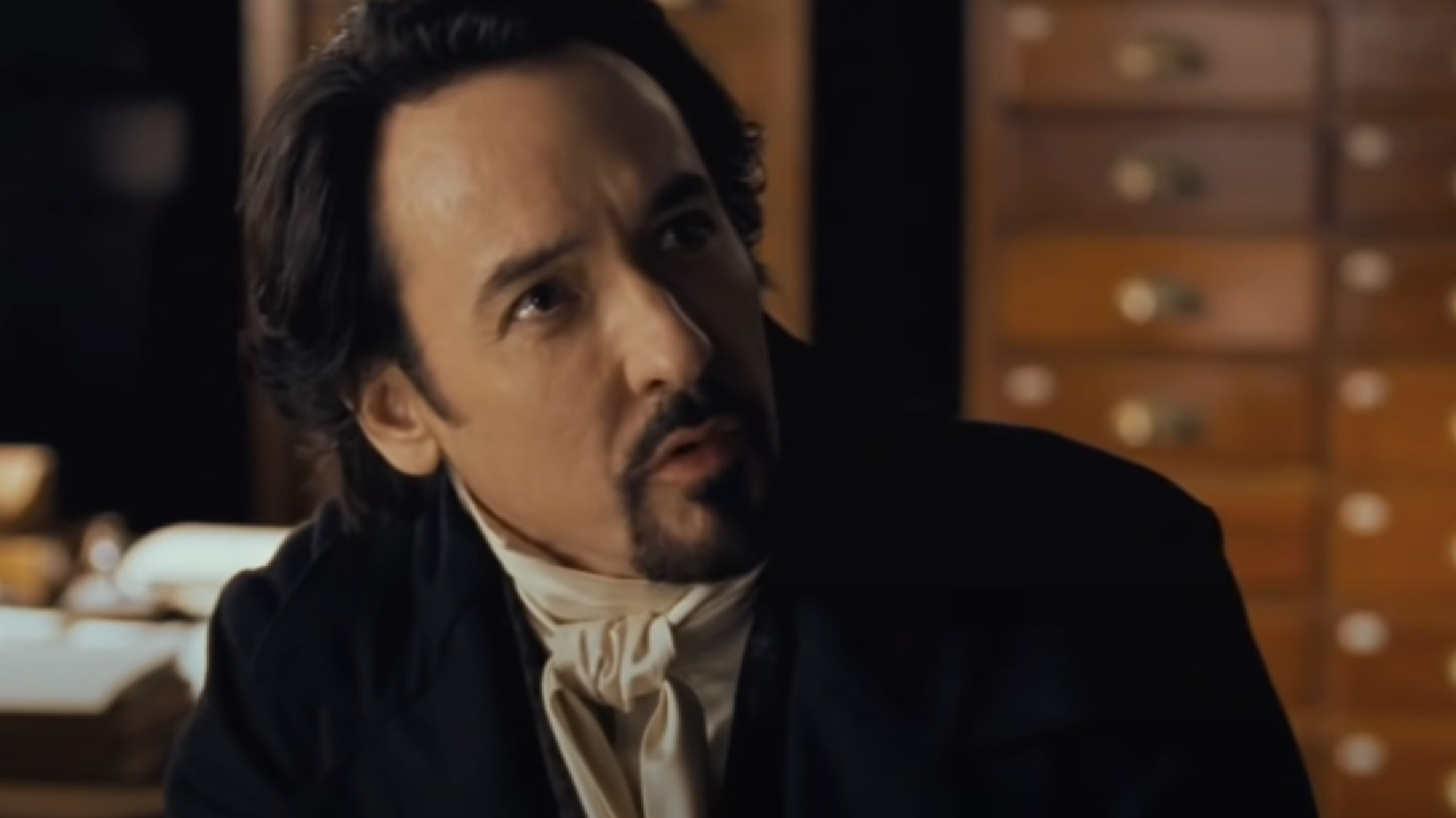
Moran later claimed that he tried to reassure Poe by discussing the possibility of seeing his friends again. Instead of responding positively, Poe reportedly made a disturbing statement suggesting that death would be preferable to his condition. Because this episode is known through Moran's testimony, its precise wording and circumstances cannot be independently confirmed.
 Screenshot from The Raven, Relativity Media (2012)
Then He Began Calling Out A Name
According to a letter Moran wrote to Maria Clemm on November 15, 1849, Poe's delirium intensified on the Saturday evening before his death. The physician claimed that the writer repeatedly called out a single name throughout the night. That name was "Reynolds," and its significance has puzzled historians ever since.
 Screenshot from The Raven, Relativity Media (2012)
Who On Earth Was Reynolds?
The name immediately presents a problem because nobody has conclusively established whom Poe was addressing. One possibility is Jeremiah N. Reynolds, an American explorer and writer whose work on maritime exploration had connections to Poe's literary interests. However, no surviving evidence proves that this was the person Poe desperately wanted to reach.
 Screenshot from The Raven, Relativity Media (2012)
The Strange Connection To His Writing
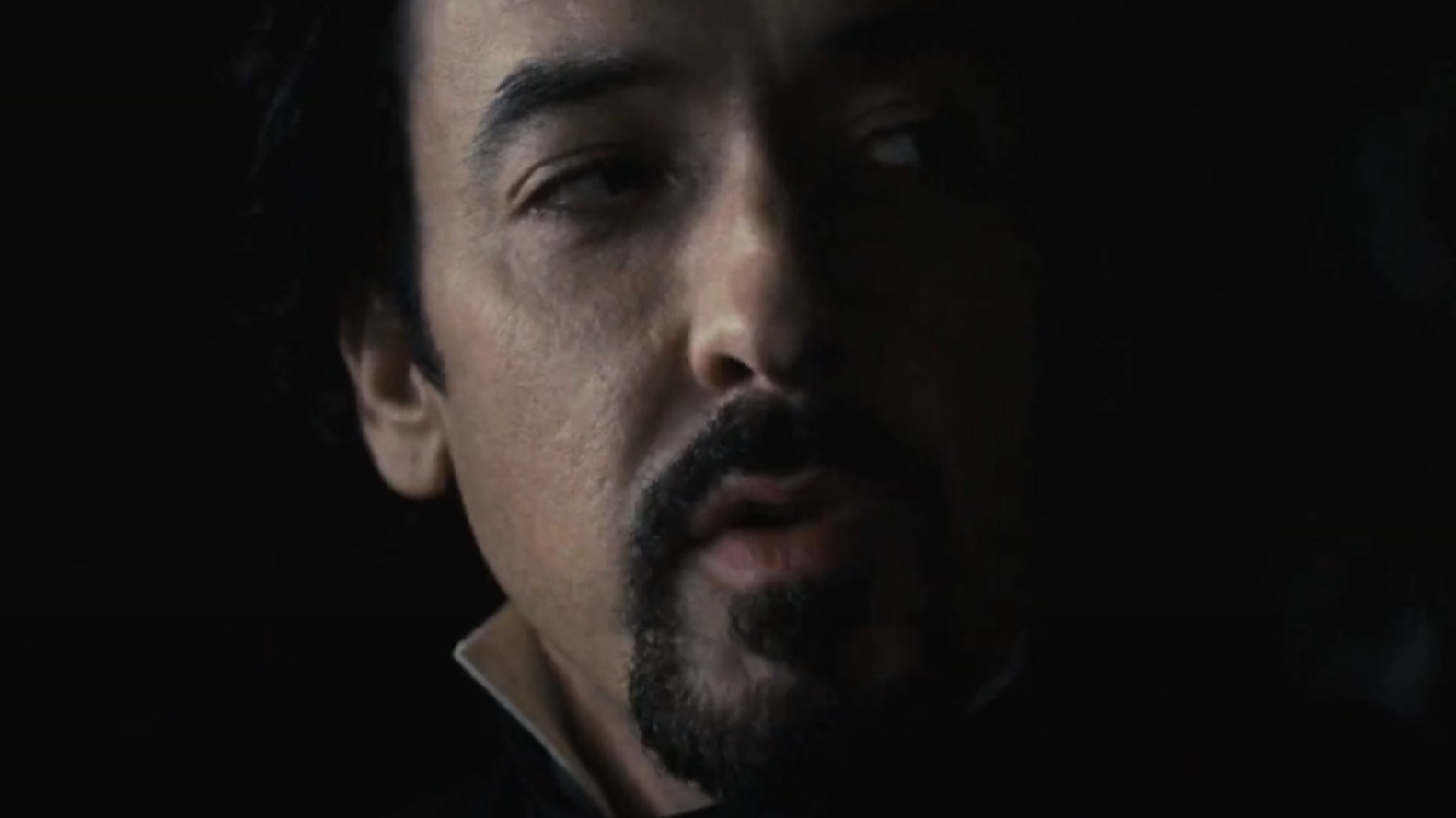
Jeremiah N. Reynolds had promoted voyages of exploration and published accounts concerning the world's oceans. His writings have been associated with the background of Poe's 1838 novel The Narrative of Arthur Gordon Pym of Nantucket. Although that literary connection makes him an intriguing candidate, it cannot explain why Poe would have been calling his name in a Baltimore hospital years later.
 Screenshot from The Raven, Relativity Media (2012)
But What If The Name Was Wrong?
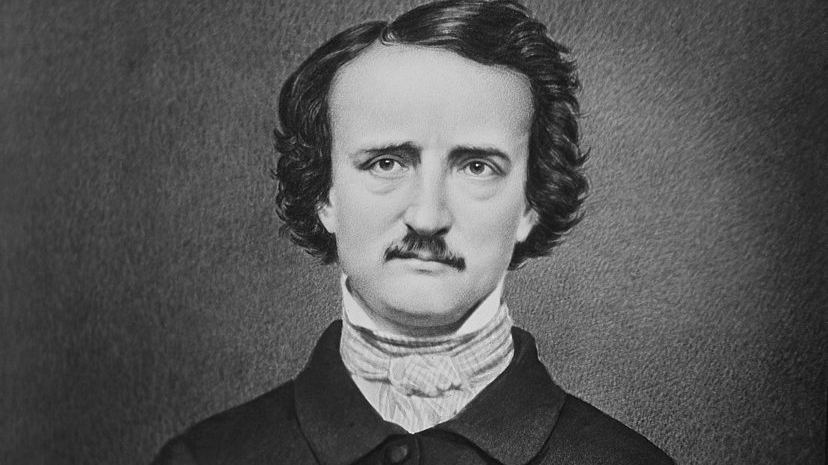
Poe scholar William T. Bandy examined the Reynolds mystery and questioned whether Moran had accurately remembered the name. One possibility discussed by scholars is that Poe had actually been calling for Herring, the surname of his uncle by marriage. This interpretation remains speculative, but it demonstrates how uncertain even the most famous details of Poe's death have become.
 Mathew Benjamin Brady, Wikimedia Commons
His Doctor Had A Credibility Problem
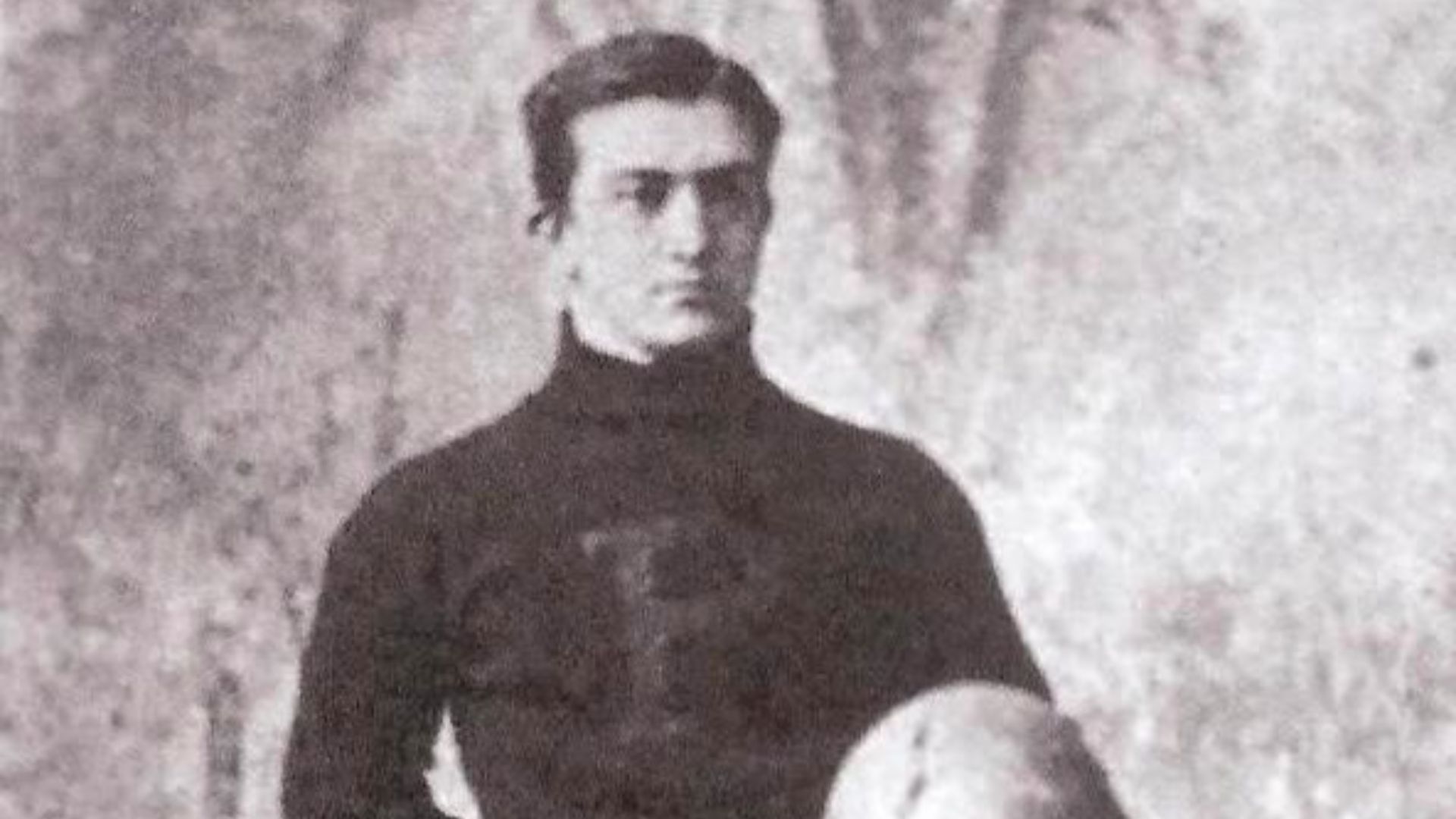
Moran was the principal source for many descriptions of Poe's hospital stay, yet his accounts changed over the years. His later recollections introduced details that conflicted with earlier statements, including different versions of the writer's final words. Consequently, historians have warned against treating every dramatic element of Moran's testimony as established fact.
 Unknown authorUnknown author, Wikimedia Commons
His Reported Final Words Were Heartbreaking
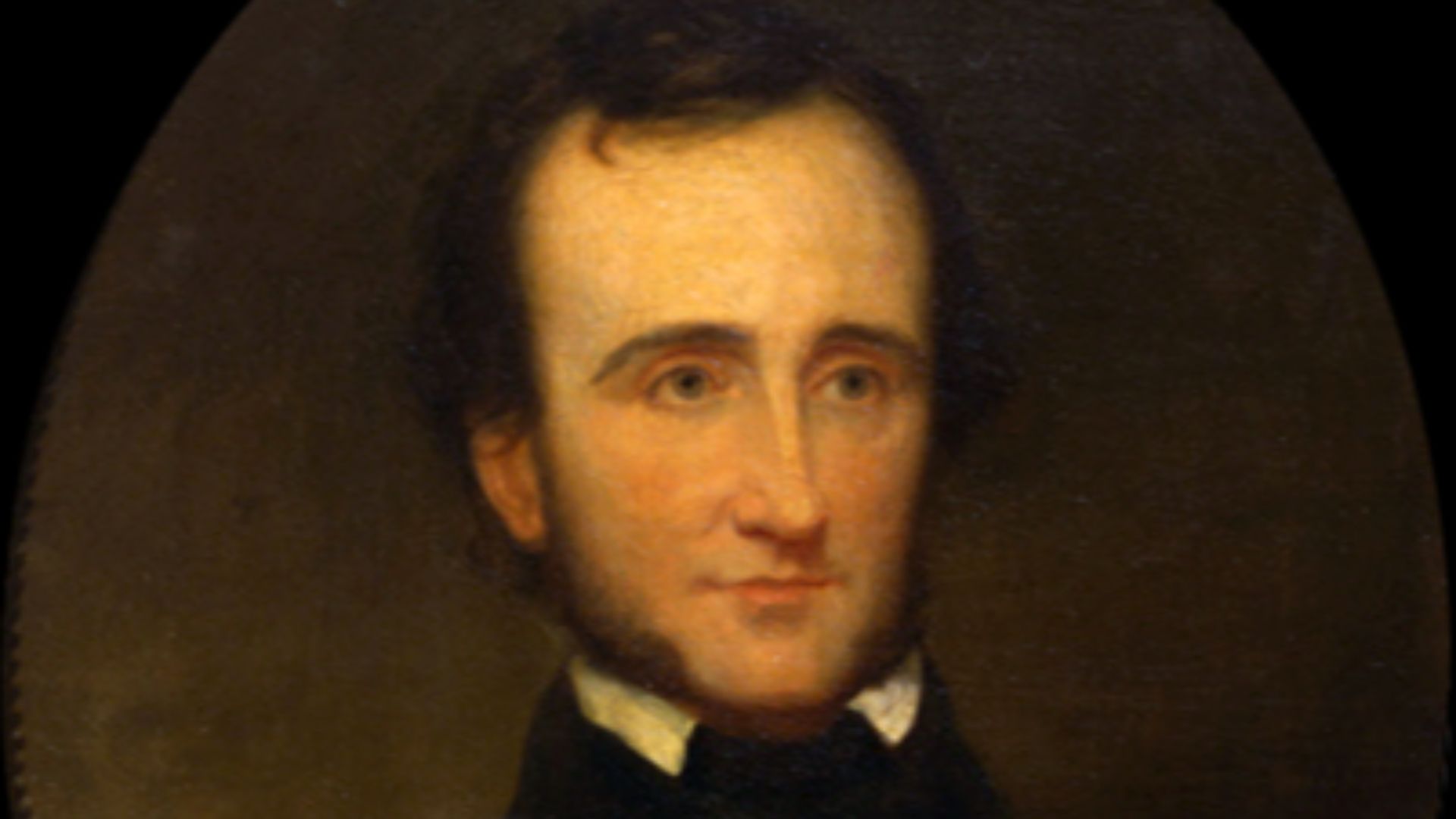
In Moran's November 1849 letter, he claimed that Poe eventually stopped calling for Reynolds and became noticeably weaker. The physician reported that the writer's final words were "Lord help my poor Soul" before he died. Although this remains the most widely repeated version of Poe's last statement, Moran's later inconsistencies make absolute certainty impossible.
 Samuel Stillman Osgood, Wikimedia Commons
The End Came Before Sunrise
Edgar Allan Poe died in Baltimore on Sunday, October 7, 1849, just four days after he was discovered at Gunner's Hall. He was only 40 years old, and his death brought an abrupt end to a career that had helped transform American literature. Even more astonishingly, nobody could establish with certainty what illness or event had killed him.
 published by Dodd, Mead and Co, NY, 2002, Wikimedia Commons
The Official Explanation Raised More Questions
Contemporary accounts described Poe's death using terms such as congestion or inflammation of the brain, while later discussions frequently refer to the diagnosis of phrenitis. Such terminology did not establish the specific disease responsible for his decline. Without a definitive medical diagnosis or modern forensic evidence, the true cause of death remained unresolved.

Was He The Victim Of A Sinister Election Scheme?
One particularly disturbing theory proposes that Poe fell victim to a nineteenth-century election fraud practice known as cooping. Criminal gangs allegedly kidnapped vulnerable men, forced them to vote repeatedly, and sometimes disguised or intoxicated them to conceal their identities. Because Poe was discovered at a polling location on Election Day wearing unfamiliar clothing, some historians have considered this explanation, although direct proof of his involvement in such a scheme does not exist.
 Universal History Archive, Getty Images
Could Alcohol Have Been Responsible?
Poe had experienced difficulties involving alcohol during his lifetime, making intoxication an immediate suspicion for some acquaintances. Snodgrass became an especially vocal advocate of the drinking explanation, although his involvement in the temperance movement complicates the interpretation of his testimony. Later investigations have questioned whether alcohol alone could adequately explain Poe's symptoms, his missing days, and his unusual clothing.

A Doctor Proposed An Even More Frightening Explanation
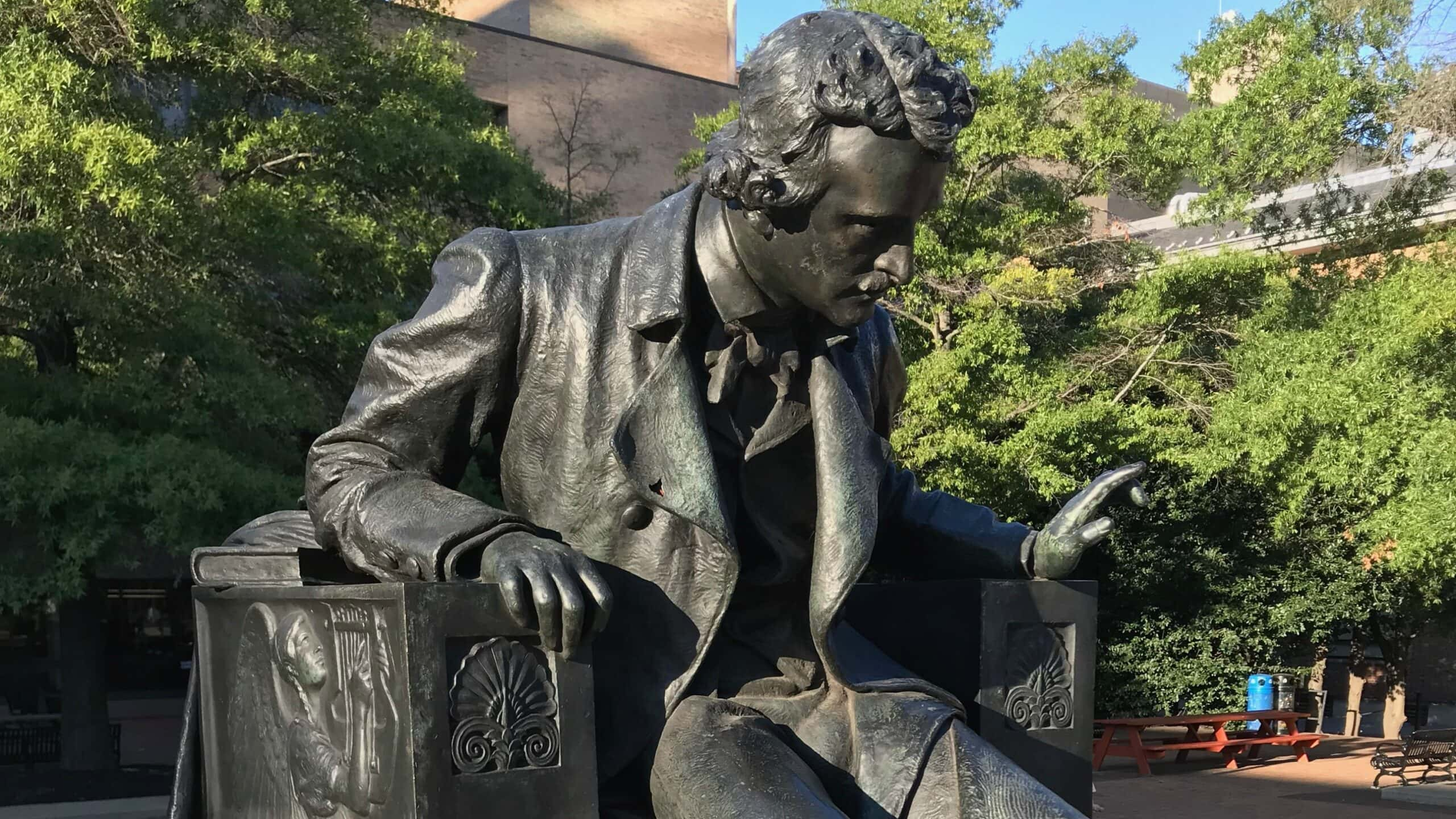
In 1996, physician R. Michael Benitez reviewed Poe's reported symptoms and proposed that rabies might explain the rapid deterioration, confusion, and delirium. The theory attracted considerable attention because the disease can produce severe neurological symptoms and become fatal shortly after they appear. However, there was no confirmed animal bite or conclusive evidence of rabies, leaving the diagnosis an intriguing but unproven possibility.
 Wikimedia Commons, Baltimore Heritage
Even Modern Science Could Not Solve The Case
Other researchers have considered poisoning, brain disease, infection, and complications from existing illnesses as possible causes. Tests involving surviving samples of Poe's hair have been used to investigate exposure to substances such as mercury, but they have not established a definitive explanation for his death. More than a century and a half after his final illness, the evidence remains too incomplete to support a single conclusive verdict.

His Reputation Was Attacked Almost Immediately
Poe's death was followed by an especially damaging obituary written by his literary rival Rufus Wilmot Griswold under the pseudonym Ludwig. Griswold subsequently published a hostile biographical account that helped shape the public perception of Poe as a deeply troubled and unstable figure. Historians have since challenged much of this portrayal, revealing how personal hostility helped distort the writer's reputation after his death.
His Last Mystery Refuses To Die
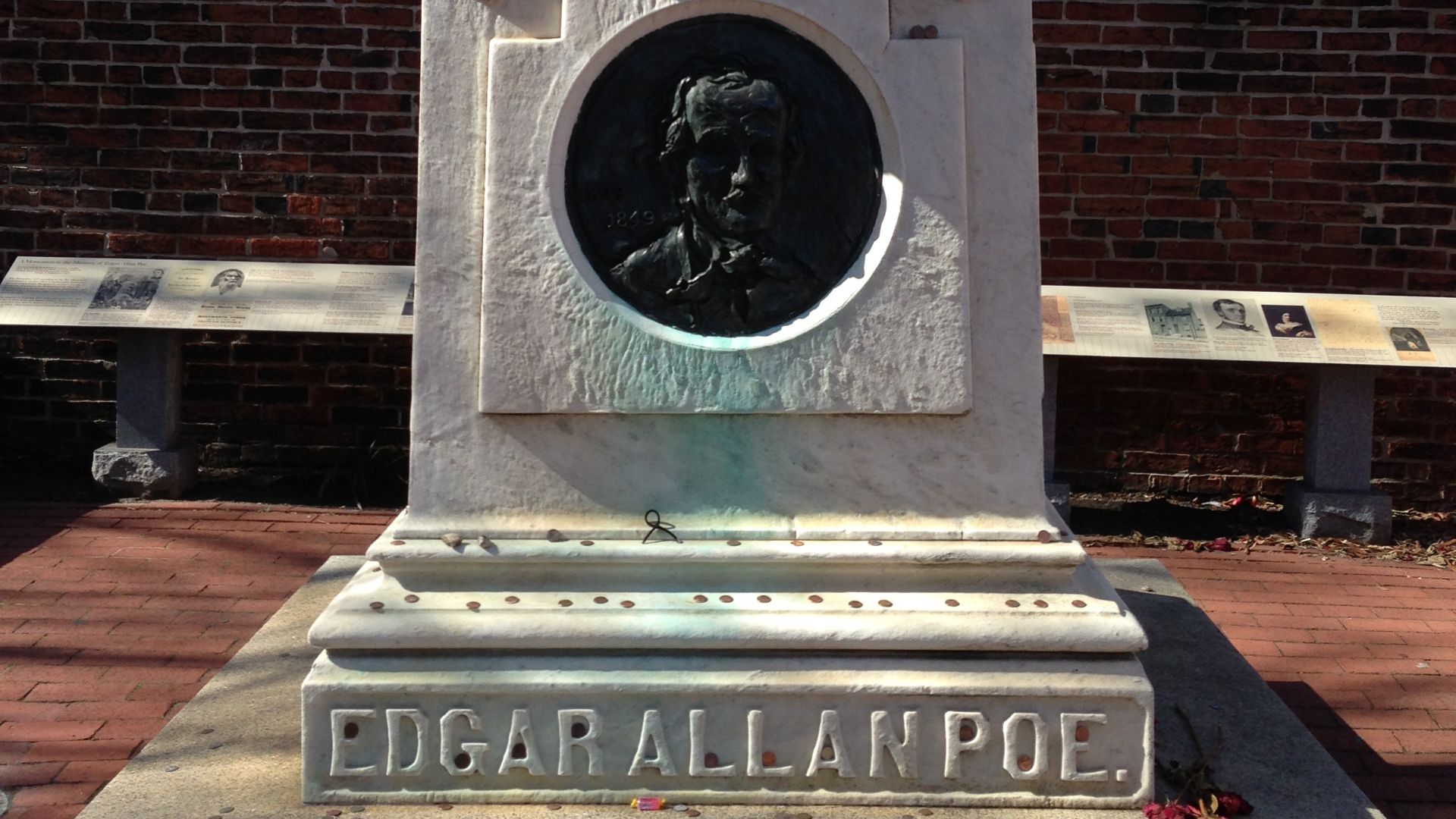
Poe was buried in Baltimore, and his remains were later moved to a more prominent grave in Westminster Burying Grounds in 1875. His literary achievements endured, but the circumstances of his final days continued to generate theories, investigations, and disputes. Perhaps the most haunting detail is also the simplest: A dying writer reportedly called out for Reynolds, and more than 175 years later, nobody can say for certain whom he meant.
 User:Matthewolf, Wikimedia Commons
You May Also Like:
Never More: The Mysterious Death of Edgar Allan Poe
History’s Wildest Unsolved Mysteries