
A Wedding That Never Happened
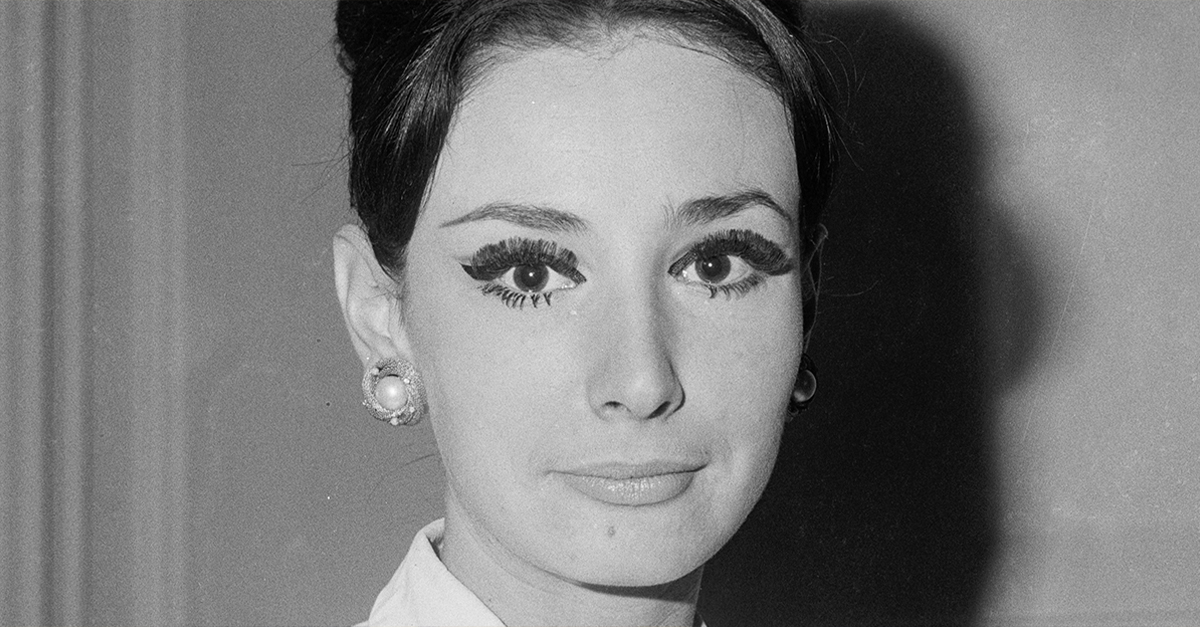
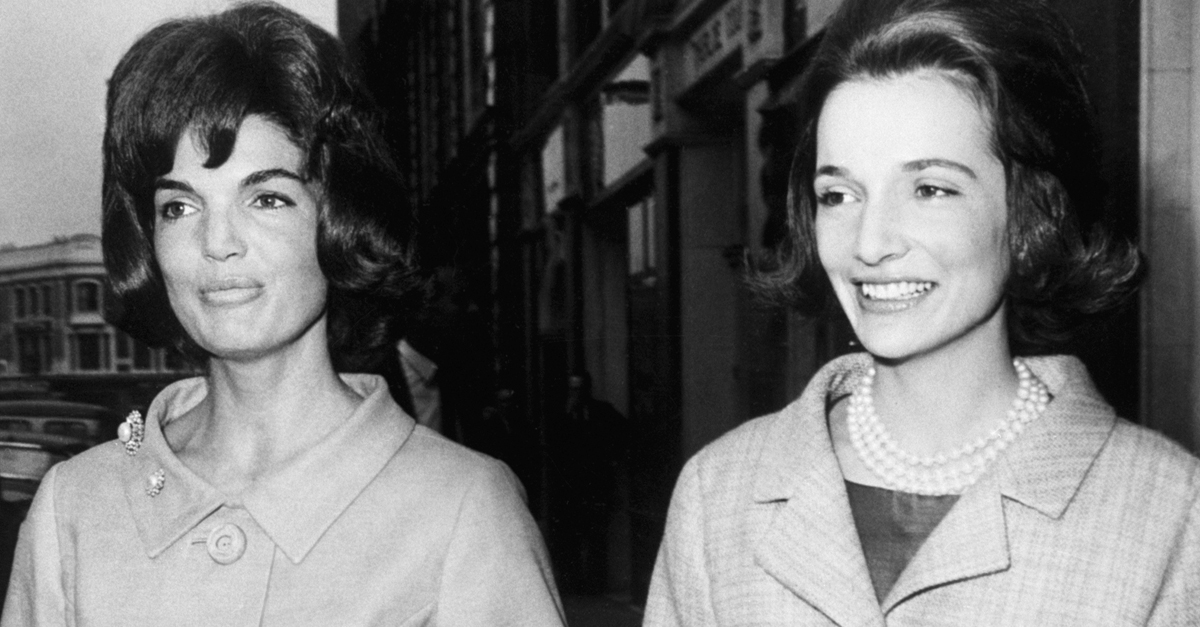
In 1979, Lee Radziwill, the glamorous younger sister of Jacqueline Kennedy Onassis, was preparing to marry wealthy San Francisco hotelier Newton Cope. The couple appeared ready to begin their lives together, but their wedding plans collapsed at the last moment. According to accounts later attributed to Cope, Jackie had intervened through her lawyer, making a financial demand that changed everything.
Two Sisters Born Into Privilege
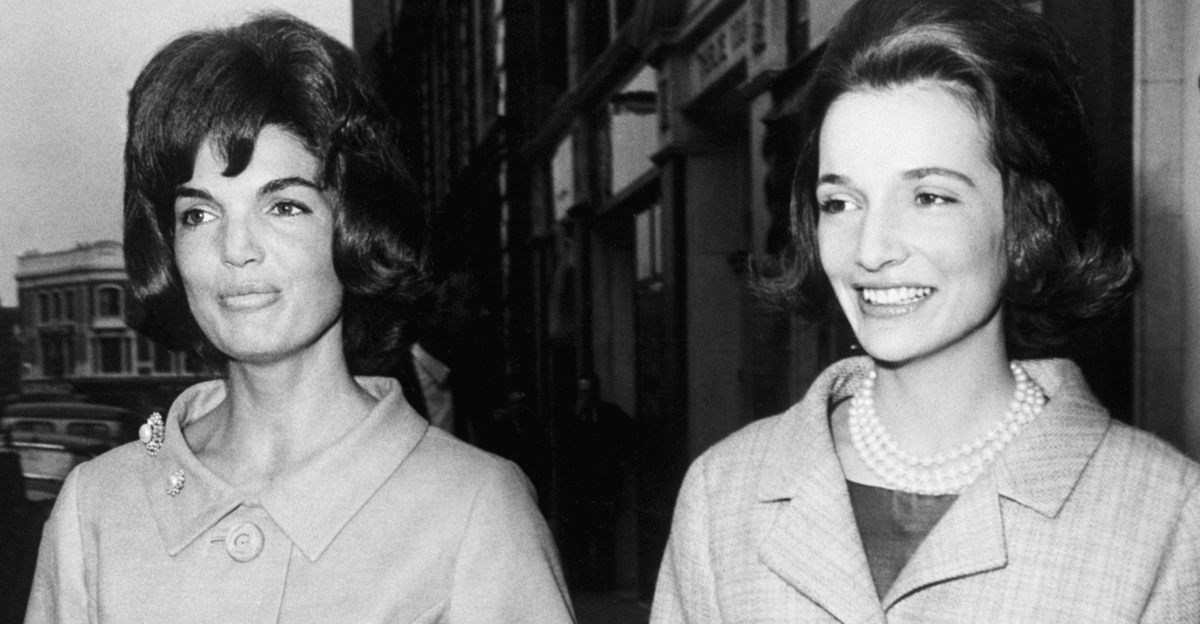
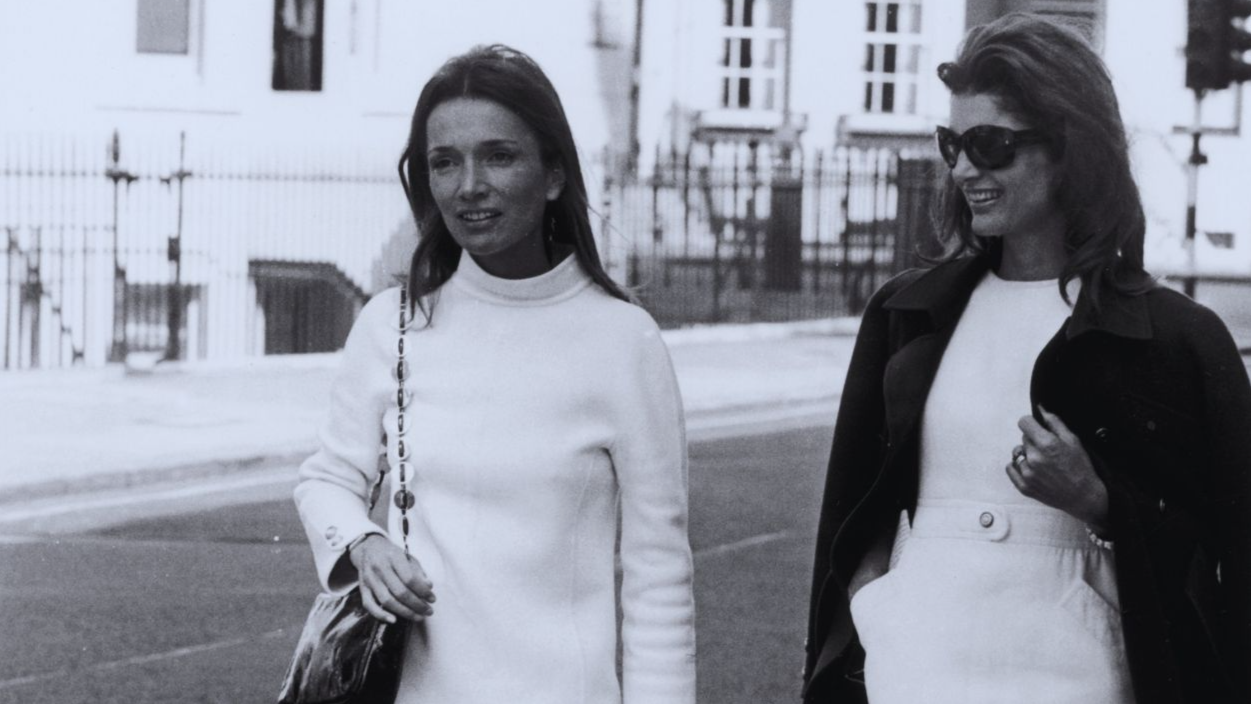
Long before their names became synonymous with American glamour, Jacqueline and Caroline Lee Bouvier grew up surrounded by wealth and social expectations. Born three and a half years apart, the sisters enjoyed an affluent childhood in New York and East Hampton. Their upbringing provided extraordinary opportunities, but it also encouraged a competitive relationship that would follow them into adulthood.
 William Lovelace, Getty Images
Their Father Had Expensive Tastes
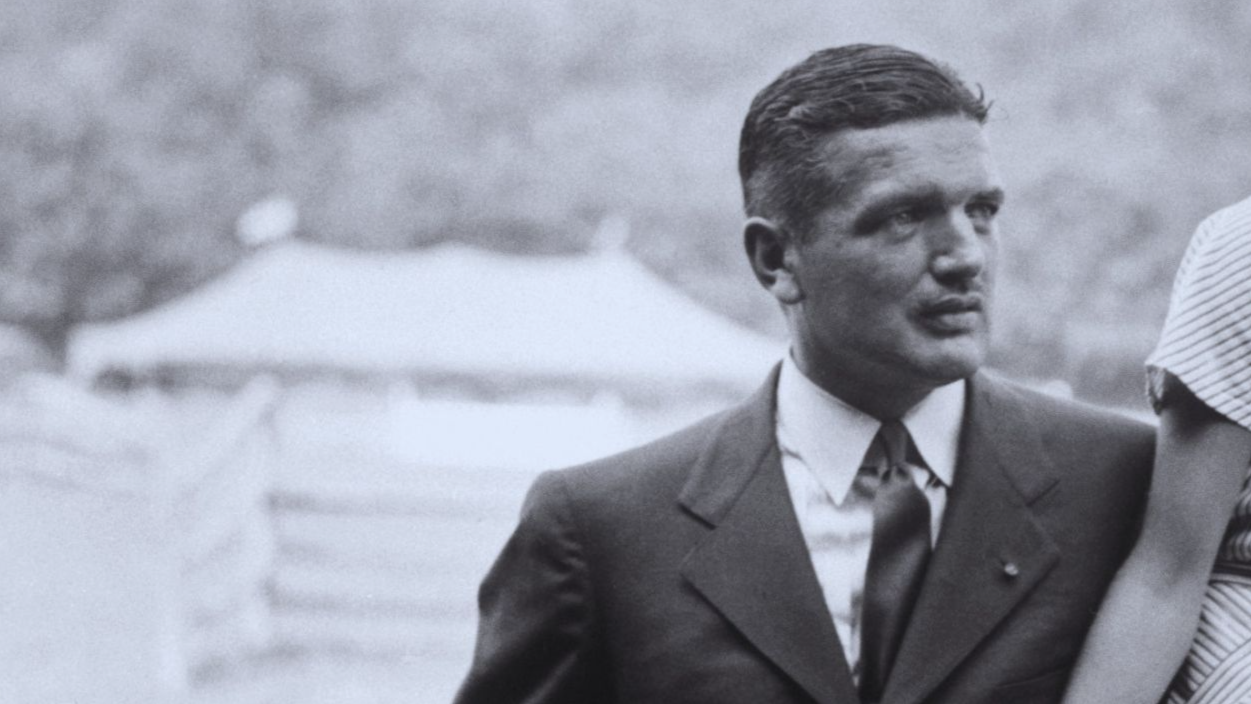
The girls adored their father, John Vernou Bouvier III, a charming stockbroker nicknamed Black Jack. He enjoyed fashionable society, beautiful women, and an extravagant lifestyle that eventually strained his finances and marriage. Although his daughters inherited his appreciation for glamour, they also witnessed how quickly financial security could disappear.
Their Mother Had Different Priorities
After divorcing Black Jack, Janet Lee Bouvier married wealthy investment banker Hugh D Auchincloss. Janet placed tremendous importance on social standing and financial stability, particularly when it came to her daughters' futures. Her influence would remain significant long after Jackie and Lee became independent adults, including during the controversy surrounding Lee's cancelled wedding.
Jackie Was Always One Step Ahead
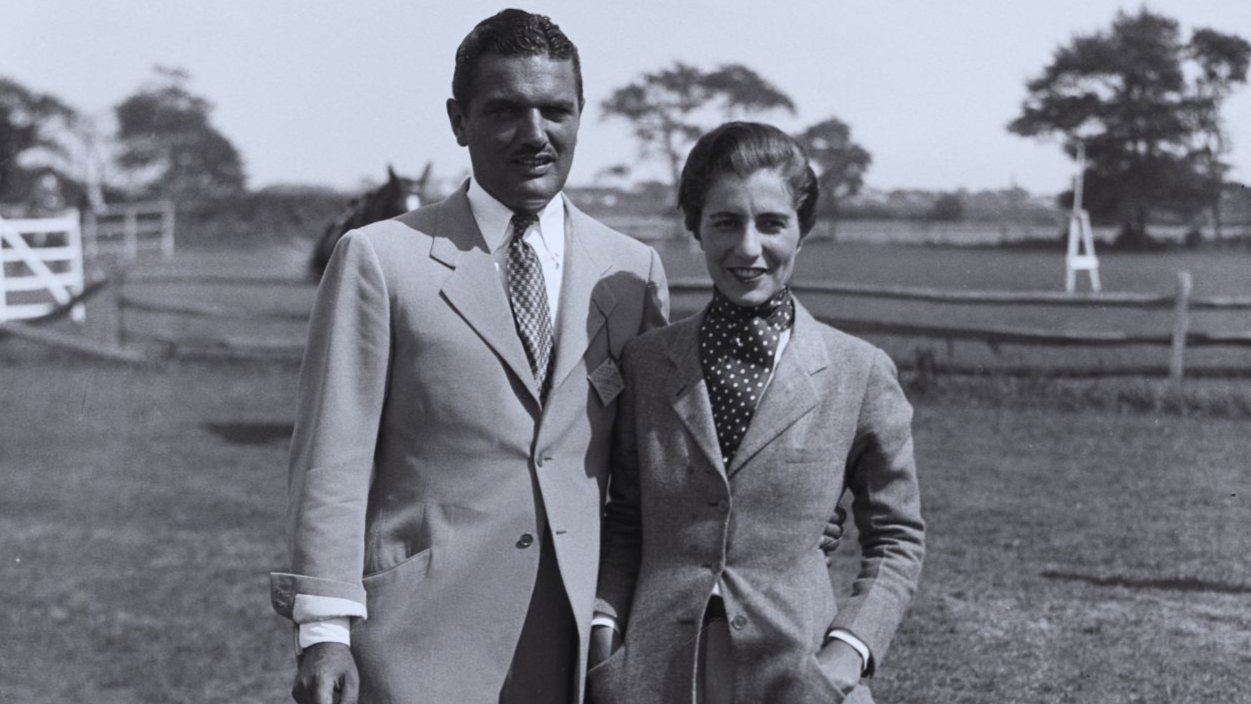
As teenagers, Jackie and Lee attended prestigious schools and moved through the same privileged social circles. Jackie excelled academically and became an accomplished equestrian, while Lee developed an exceptional eye for fashion and design. Although both were admired, Lee frequently found herself compared with her older sister, establishing a pattern that became increasingly difficult to escape.
Lee Had Plans Of Her Own
Lee was determined to establish an identity beyond her famous family, and her first marriage came before Jackie's. In 1953, she married publishing executive Michael Canfield, beginning a fashionable life that took her to England. However, the marriage eventually deteriorated, and Lee became involved with another man whose title promised an even more glamorous future.
She Married A Real Prince
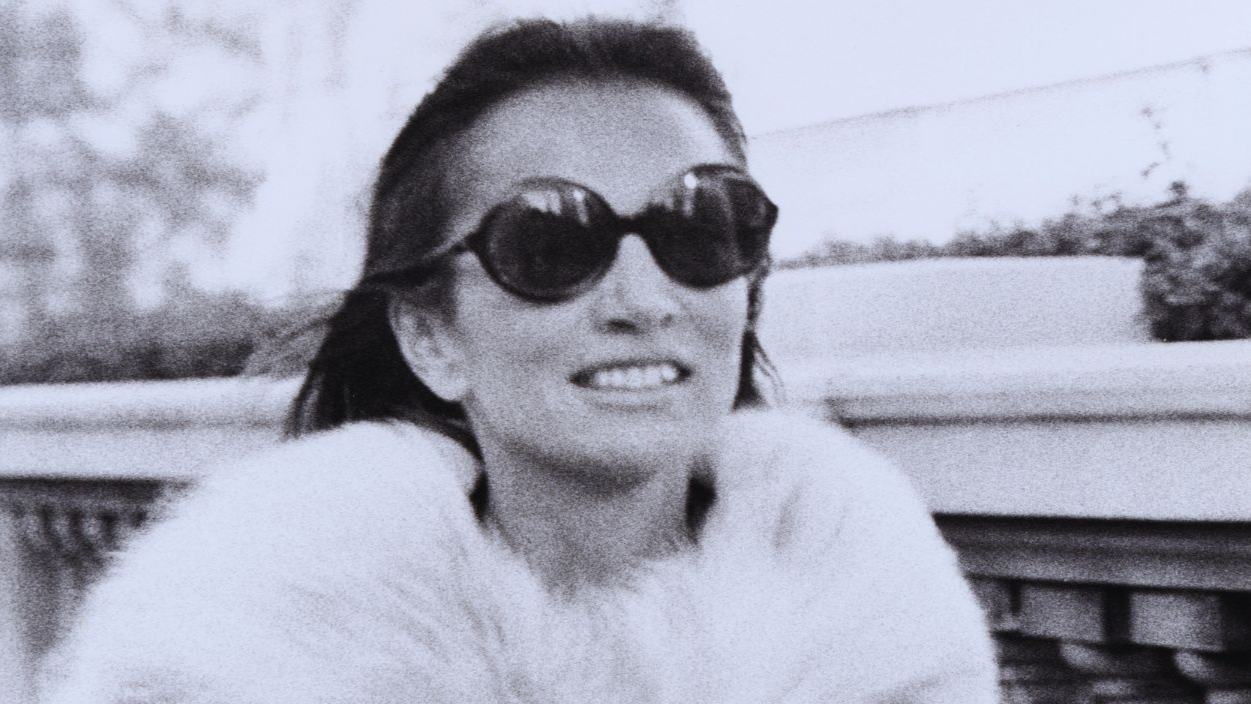
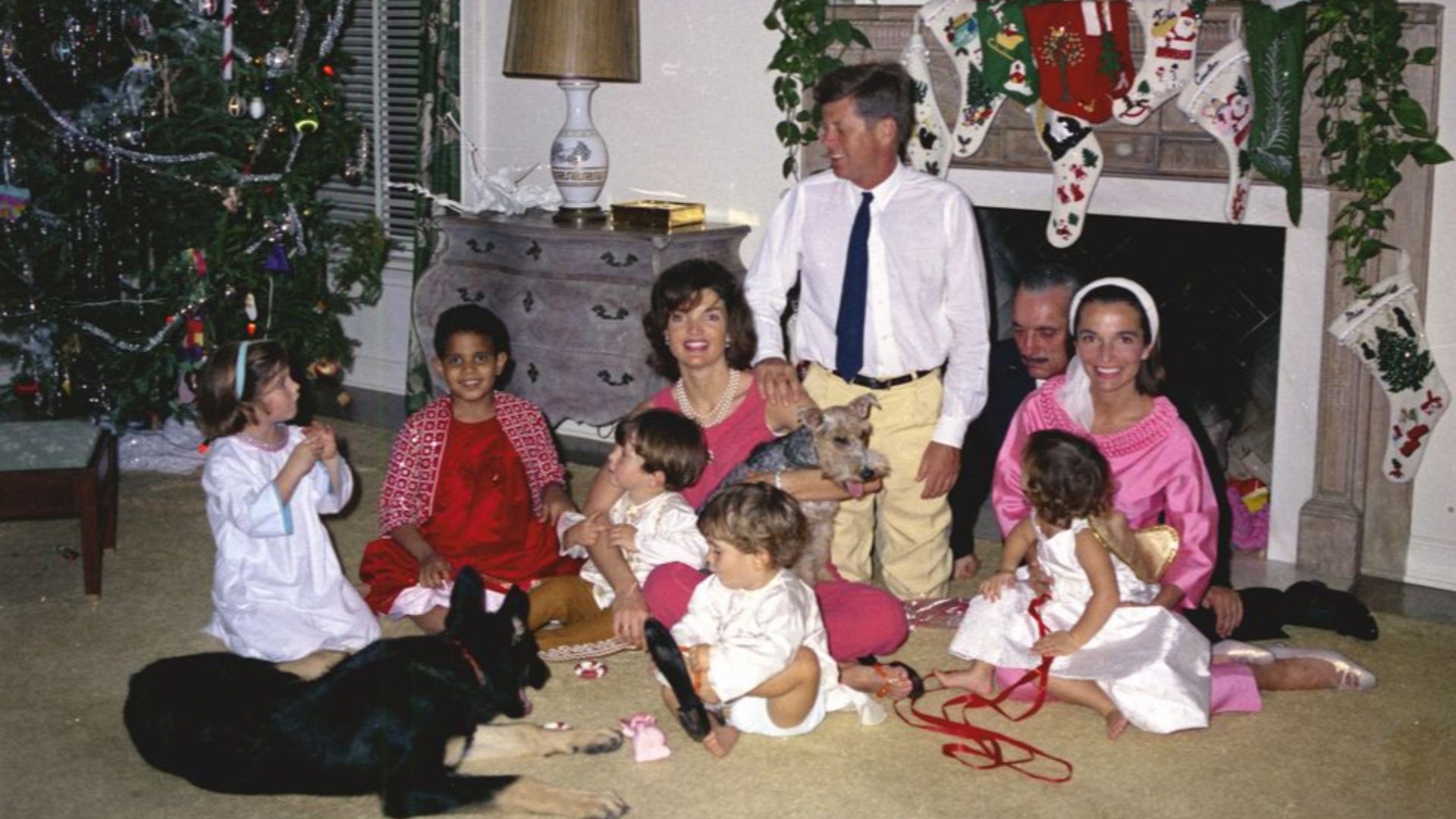
In 1959, Lee married Prince Stanislaw Radziwill, a Polish aristocrat living in Britain. The marriage gave her the title Princess Radziwill and placed her among Europe's fashionable international elite. They had two children, Anthony and Christina, but even a royal title could not guarantee the lasting happiness Lee had hoped to find.
 Cecil Stoughton, Wikimedia Commons
Jackie Became American Royalty
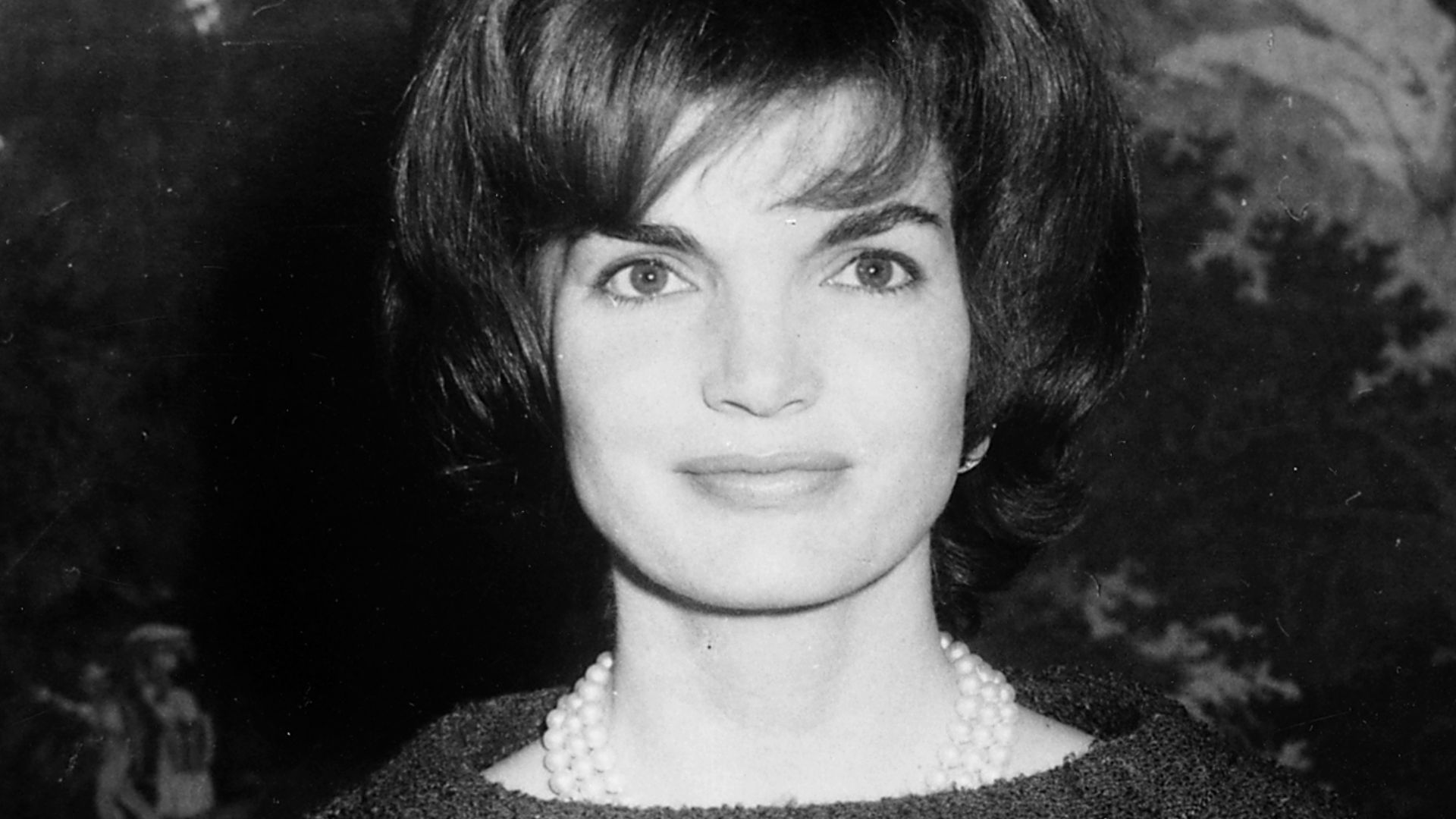
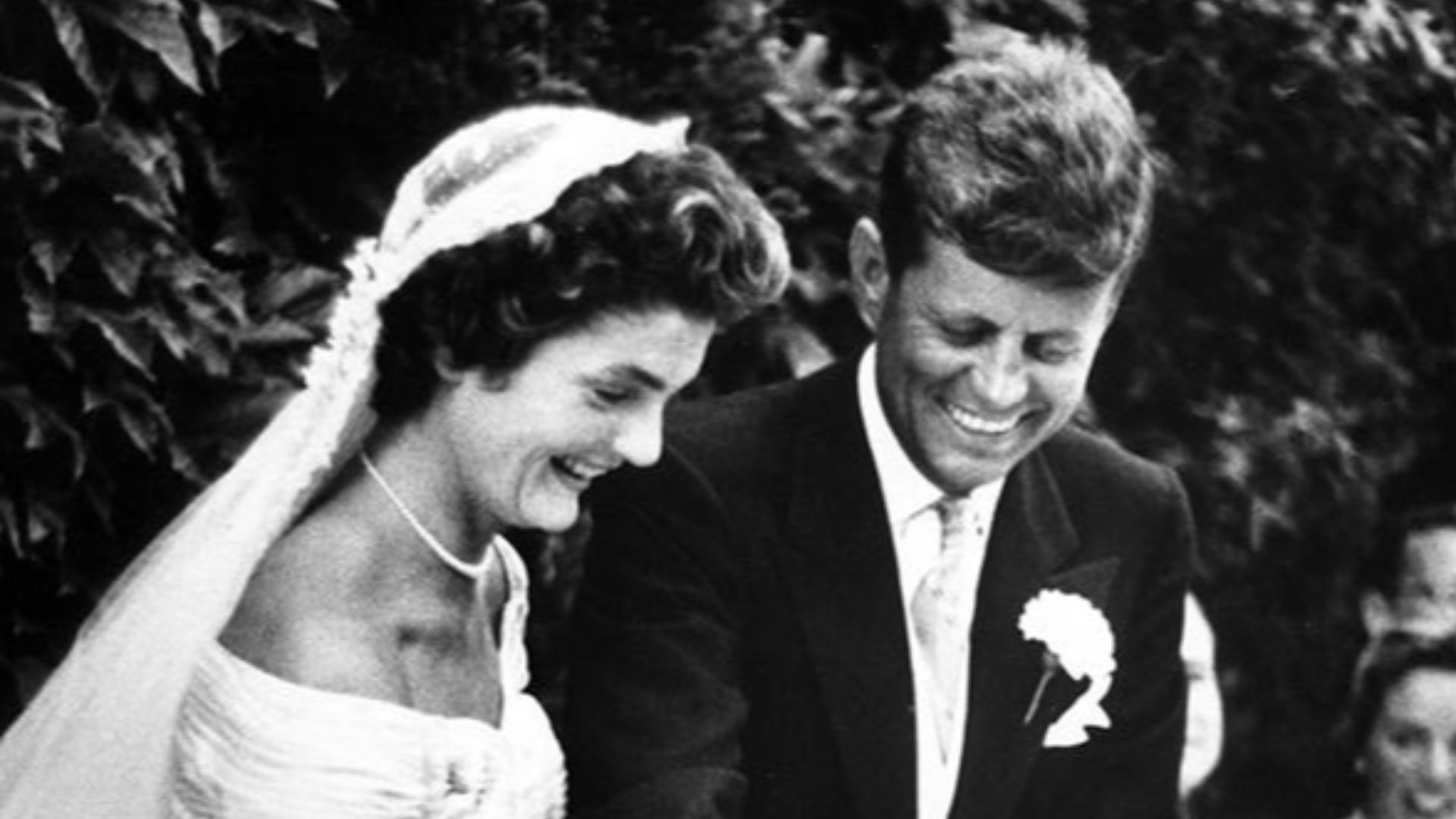
Meanwhile, Jackie's marriage to John F Kennedy transformed her into one of America's most recognizable women. When Kennedy became president in 1961, Jackie entered the White House and attracted worldwide attention for her elegance and sophistication. Lee continued circulating among aristocrats, artists, and celebrities, but her sister's enormous public profile made comparisons between them unavoidable.
 Toni Frissell, Wikimedia Commons
They Shared An Unexpected Connection
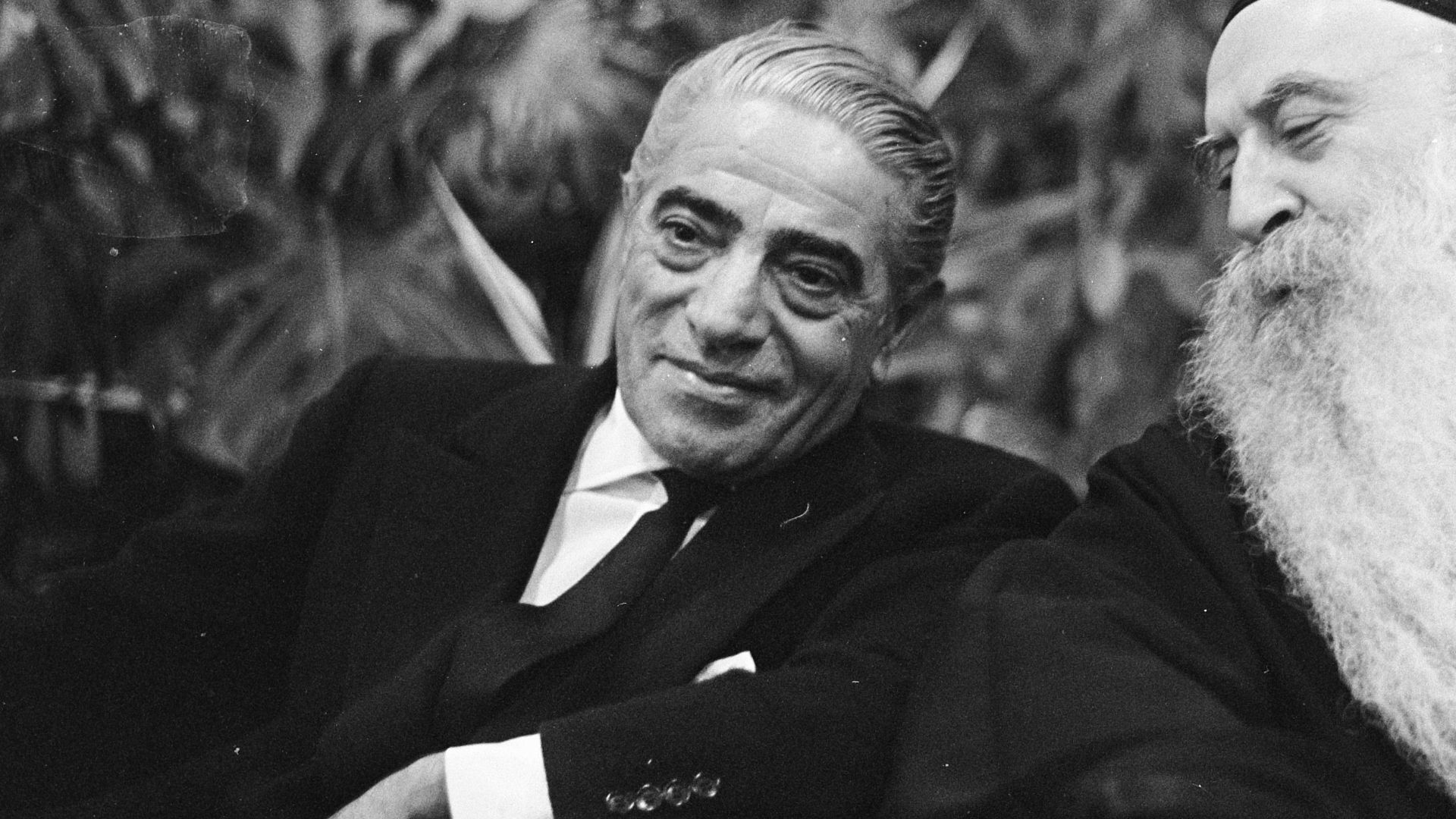
During the early 1960s, Lee developed a close relationship with Greek shipping magnate Aristotle Onassis. Their connection became the subject of considerable speculation, although the precise nature of their relationship has been described differently by biographers. Whatever happened between them, Onassis would eventually become responsible for one of the deepest wounds in the sisters' complicated relationship.
 Pieter Jongerhuis for Anefo, Wikimedia Commons
Jackie Married The Man Lee Knew
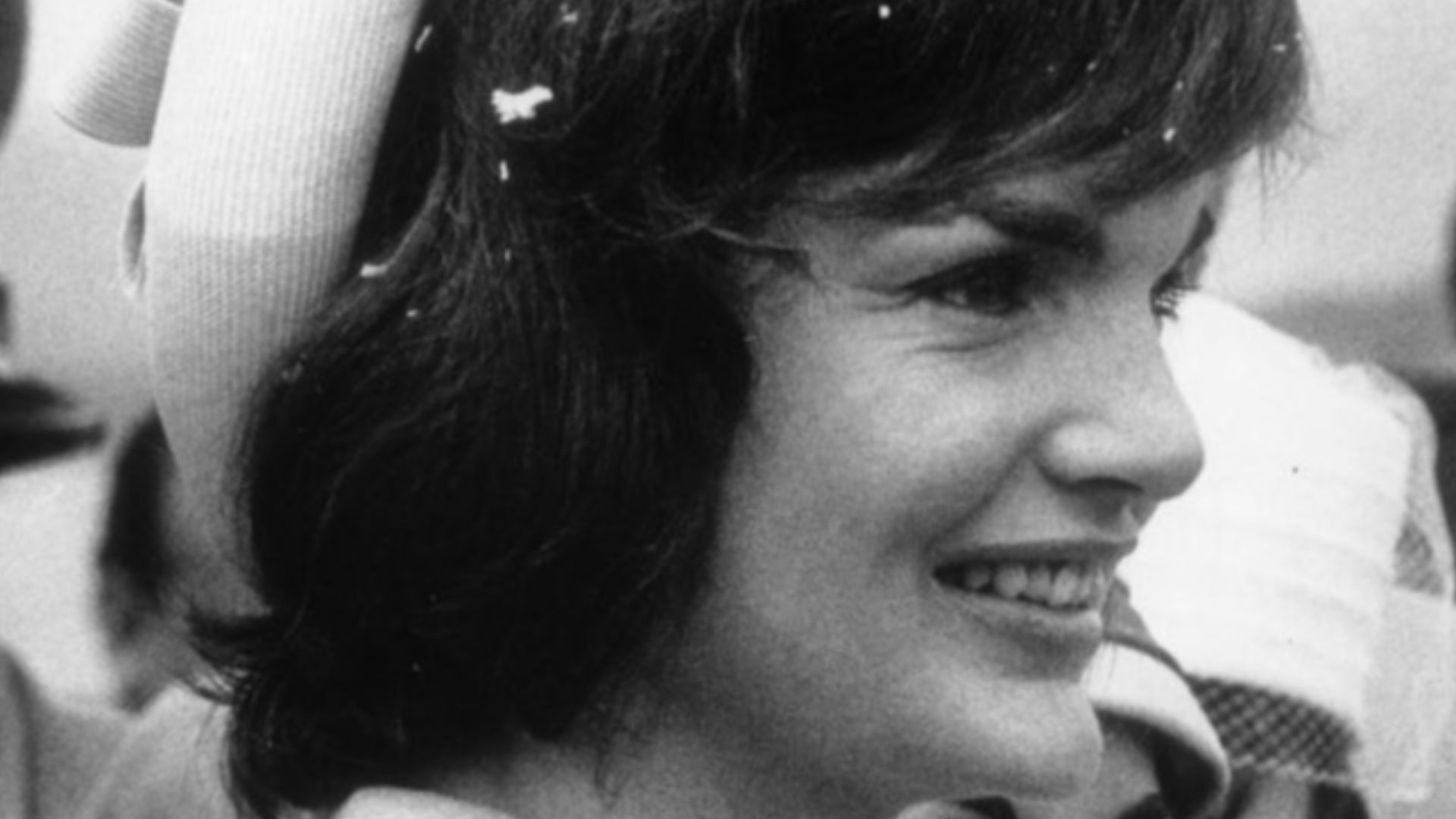
In October 1968, Jackie stunned the world by marrying Aristotle Onassis, five years after President Kennedy's assassination. Lee later recalled that she learned about the approaching wedding from Onassis himself rather than from Jackie. Although she publicly expressed happiness for her sister, biographical accounts describe the marriage as a painful blow to their relationship.
Lee Wanted A Fresh Start
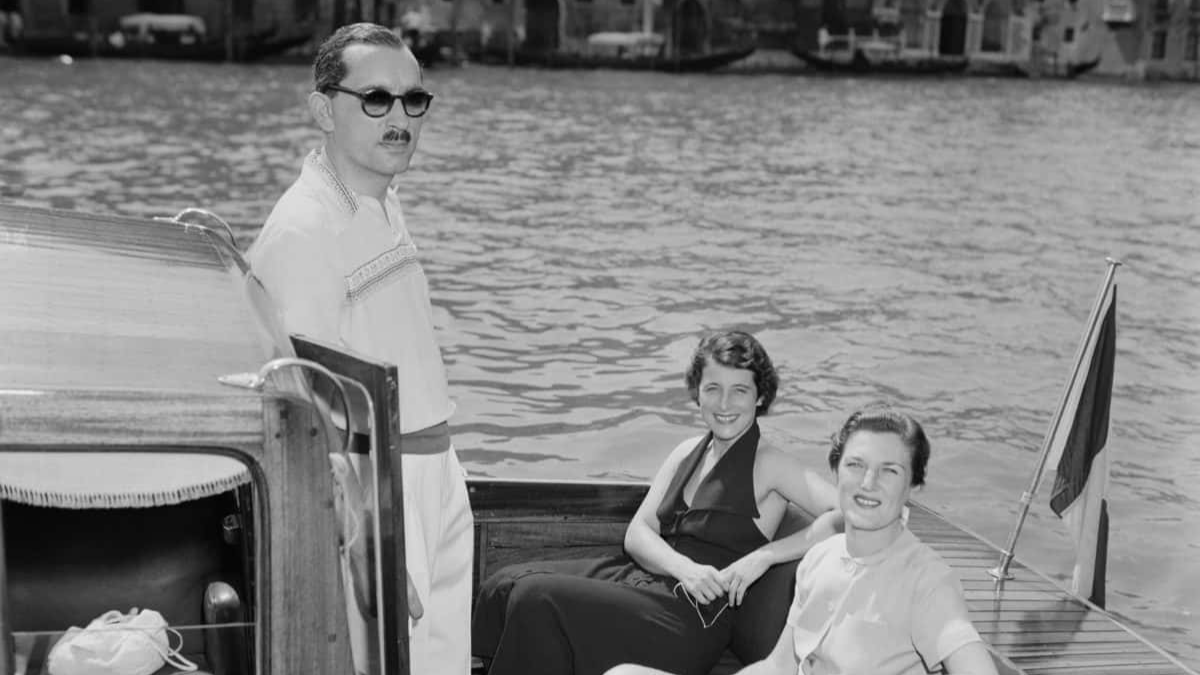
By the early 1970s, Lee's marriage to Prince Radziwill had deteriorated, and the couple divorced in 1974. She returned to New York, where she established herself in an artistic social circle that included Truman Capote, Andy Warhol, and Rudolf Nureyev. Determined to find fulfillment beyond marriage and society parties, she began exploring new professional opportunities.
 Archivio Cameraphoto Epoche, Getty Images
She Tried Reinventing Herself
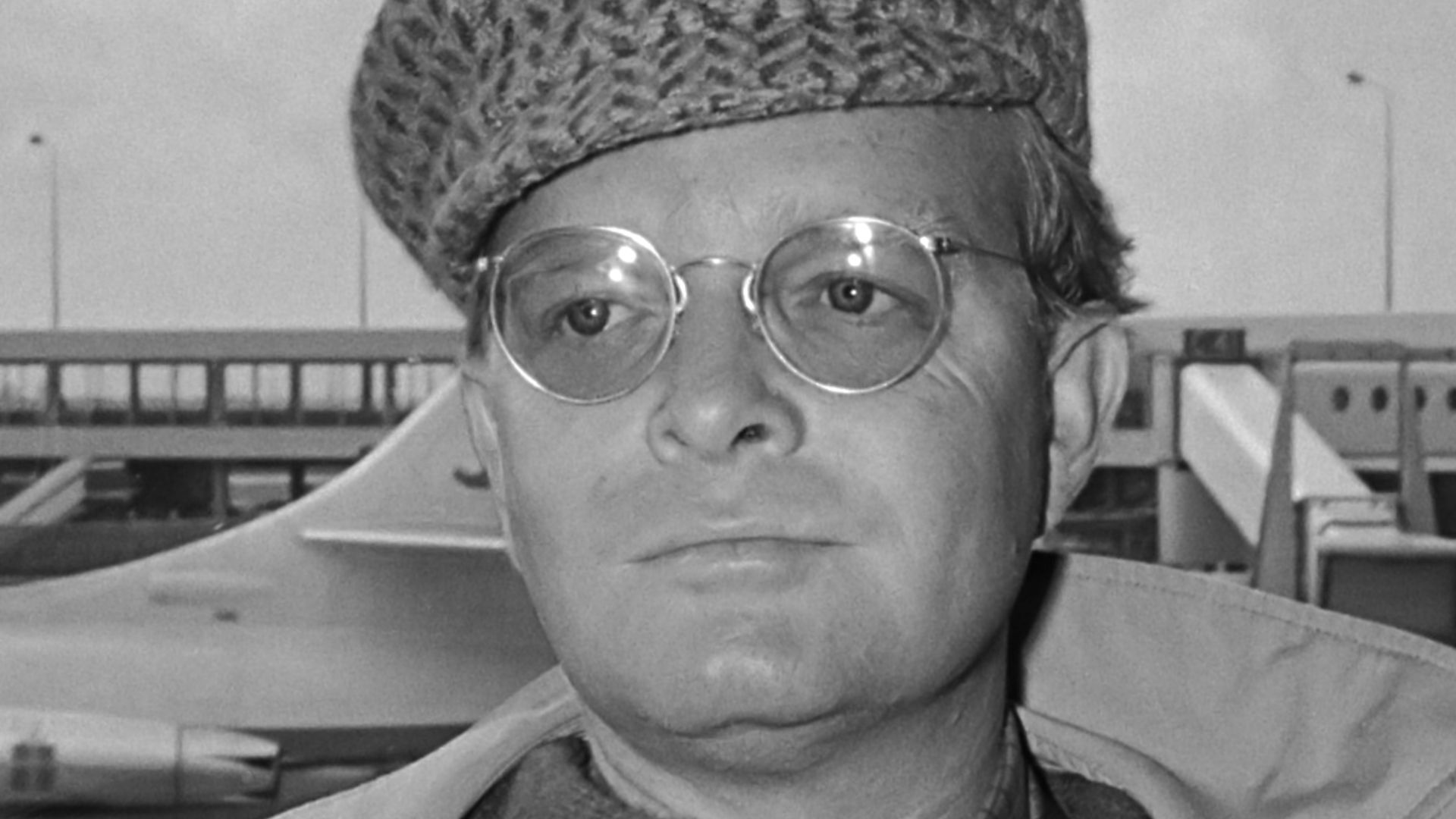
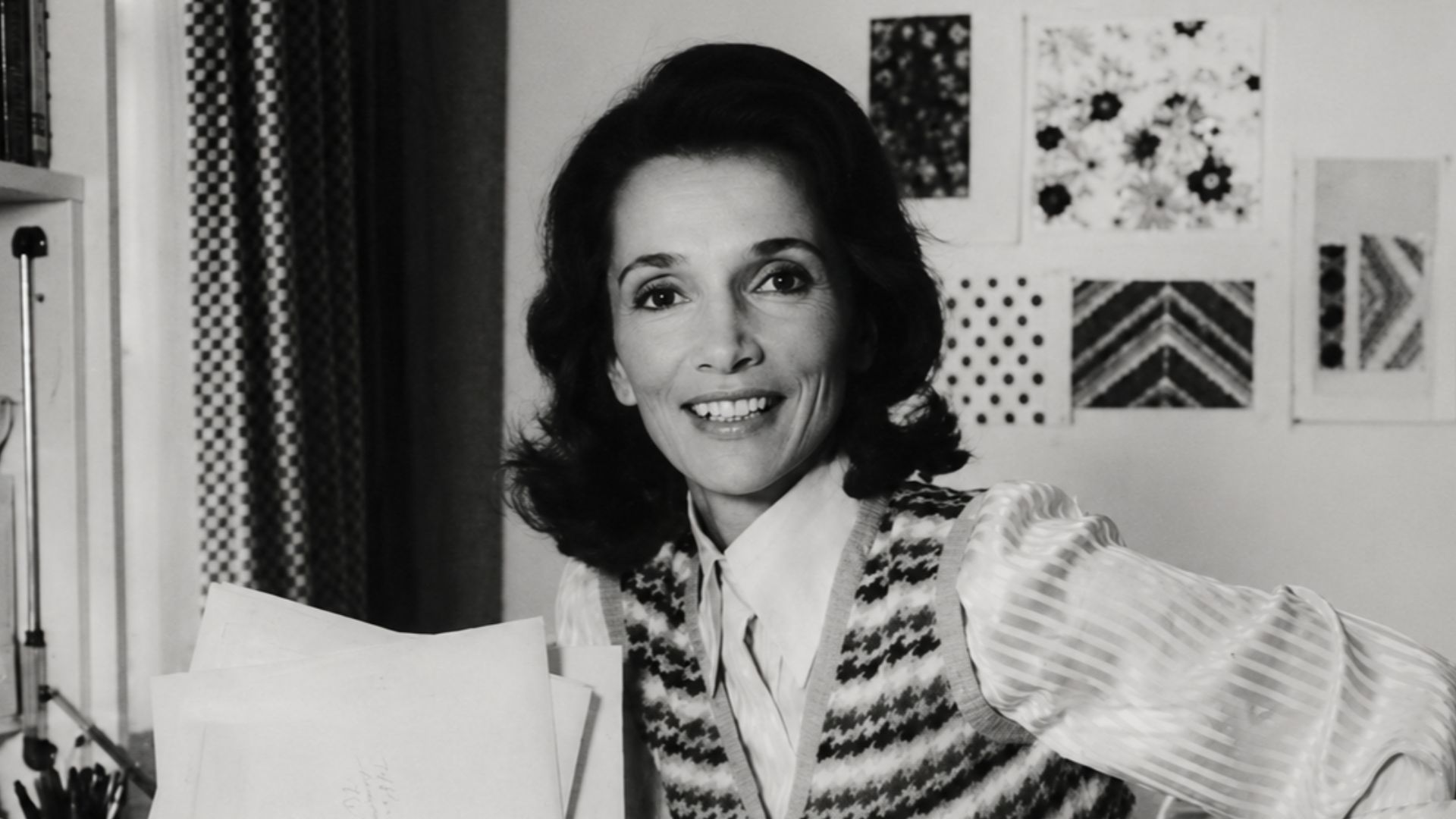
With encouragement from Truman Capote, Lee pursued acting and appeared in theatrical and television productions. Her performances attracted harsh reviews, but she continued experimenting with creative projects, including television interviews and interior design. These ventures demonstrated her determination to forge a career, even as her personal and financial circumstances remained complicated.
 Eric Koch for Anefo, Wikimedia Commons
Her Romantic Life Remained Complicated
After separating from Prince Radziwill, Lee was linked romantically to photographer Peter Beard, attorney Peter Tufo, and architect Richard Meier. Her relationship with Beard was especially significant, and their eventual breakup reportedly affected her deeply. By the end of the decade, however, another wealthy and socially prominent man had entered her life.
 Marcio Scavone, Wikimedia Commons
Then She Met Newton Cope
Newton Cope was a successful San Francisco businessman associated with the city's hotel and real estate industries. He owned the prestigious Huntington Hotel and moved comfortably through California's wealthy social circles. For Lee, whose previous marriages had ended in disappointment, Cope represented the possibility of beginning a new chapter with a financially established partner.
 Associated Press, Wikimedia Commons
Their Romance Became Serious
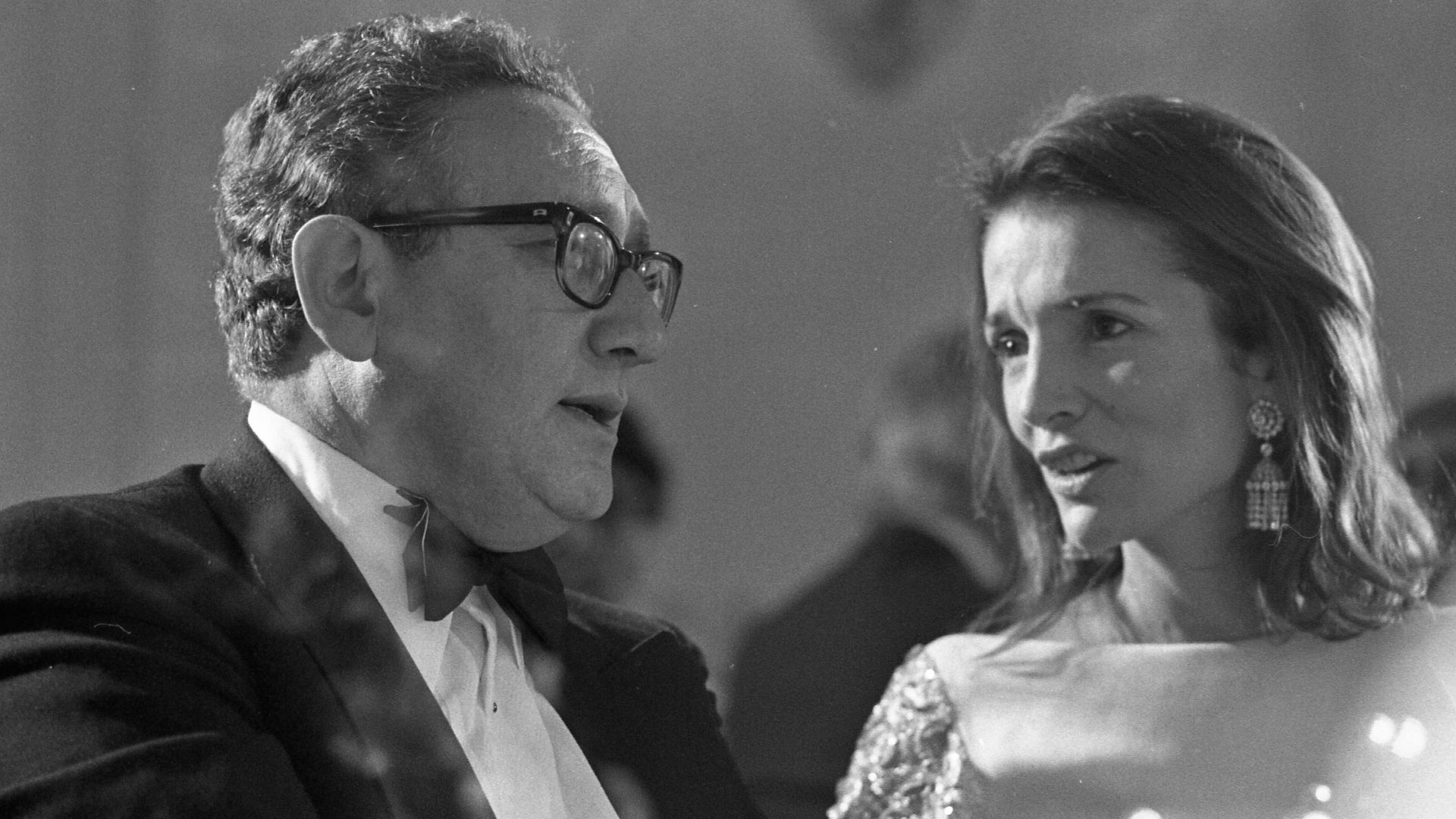
By 1979, Lee and Cope were planning to marry, making him her prospective third husband. The engagement attracted interest because it united a prominent California businessman with one of America's best-known society figures. Yet behind the preparations, Cope was becoming increasingly concerned about the influence Jackie's opinions appeared to have over Lee.
 Unknown authorUnknown author or not provided, Wikimedia Commons
Jackie Was Never Far Away
After her second divorce, Lee had settled in Manhattan within walking distance of Jackie's home. Their proximity allowed the sisters to remain closely involved in each other's lives, despite the tensions that had accumulated over the years. According to Cope's later recollections, he found their relationship troubling because he believed Lee was unusually intimidated by her older sister.
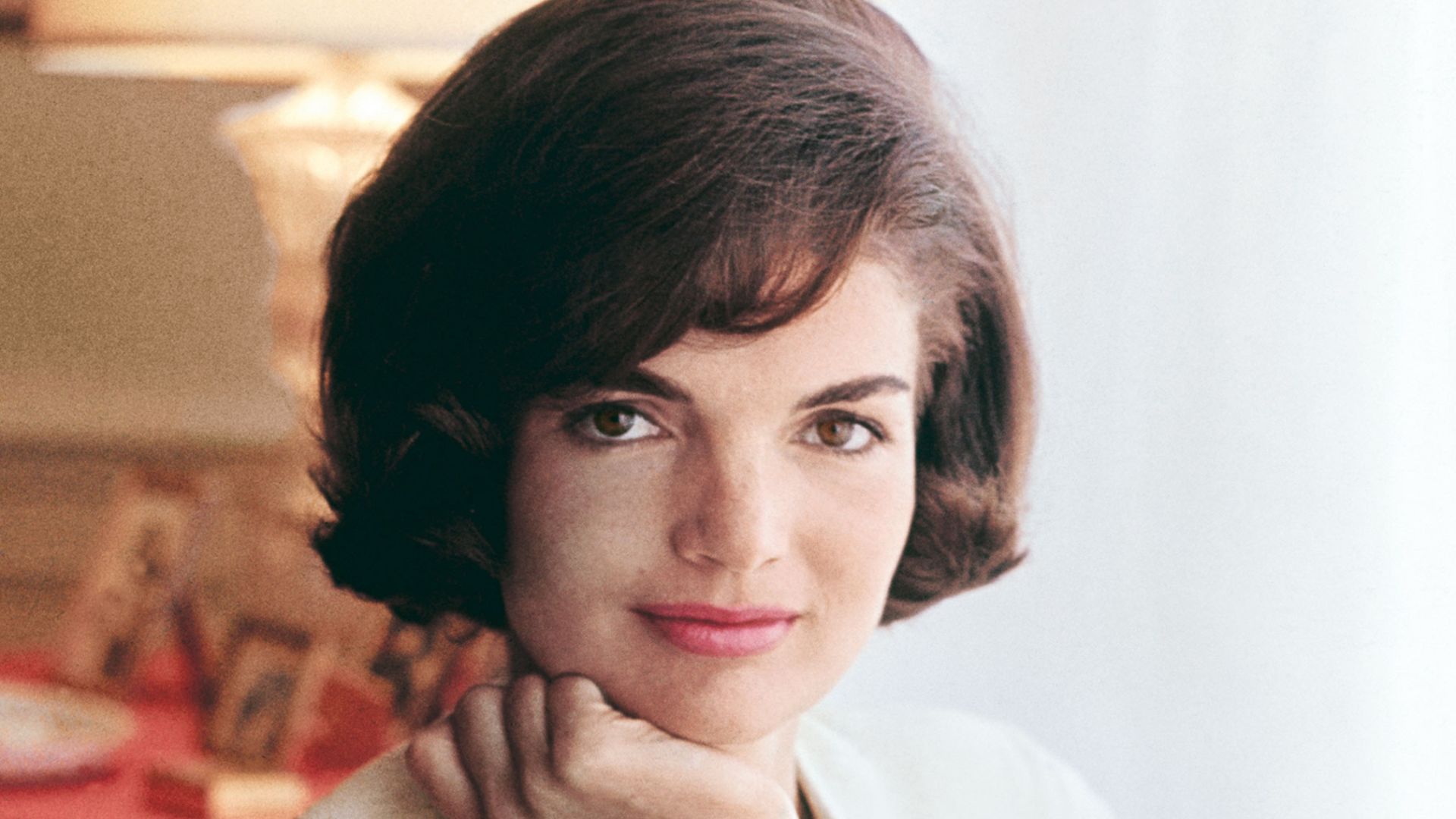
He Confronted Lee About Her Sister
Following a dinner party Jackie had hosted for the couple, Cope reportedly questioned Lee about her relationship with Jackie. He could not understand why someone with Lee's sophistication and experience seemed so concerned about her sister's approval. Cope later described their closeness as an unhealthy attachment that Lee seemed unable to escape, a concern that would soon take on greater significance.
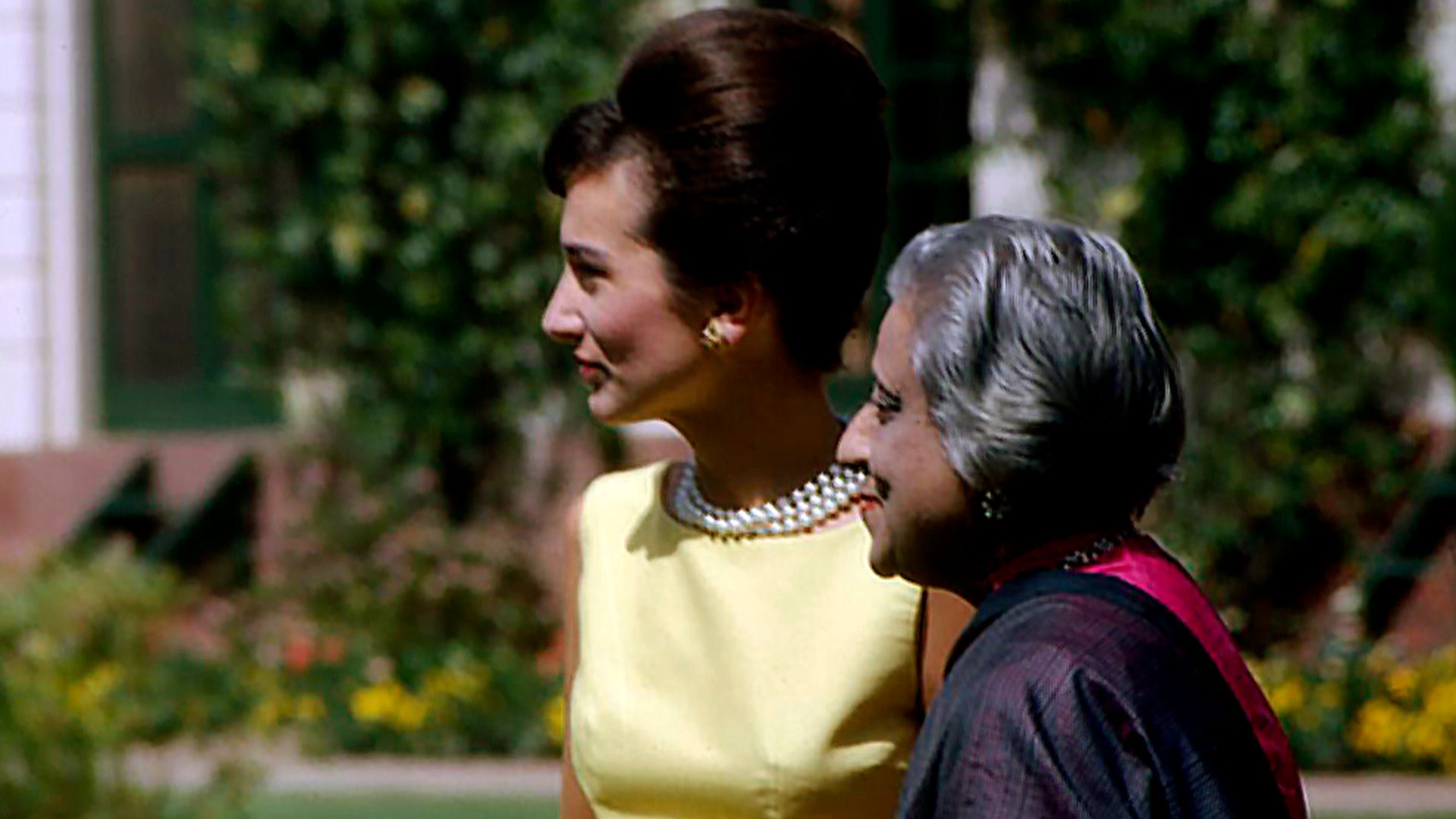 Stoughton, Cecil W. (Cecil William), 1920-2008, Wikimedia Commons
The Wedding Was Almost Here
As their wedding approached, Cope and Lee had plans for a ceremony in San Francisco. A contemporary 1979 news account describes a gathering arranged at the Telegraph Hill home of society figure Whitney Warren, where the marriage was supposed to take place. But the celebration would never happen, and later accounts identified an unexpected financial dispute as the reason.
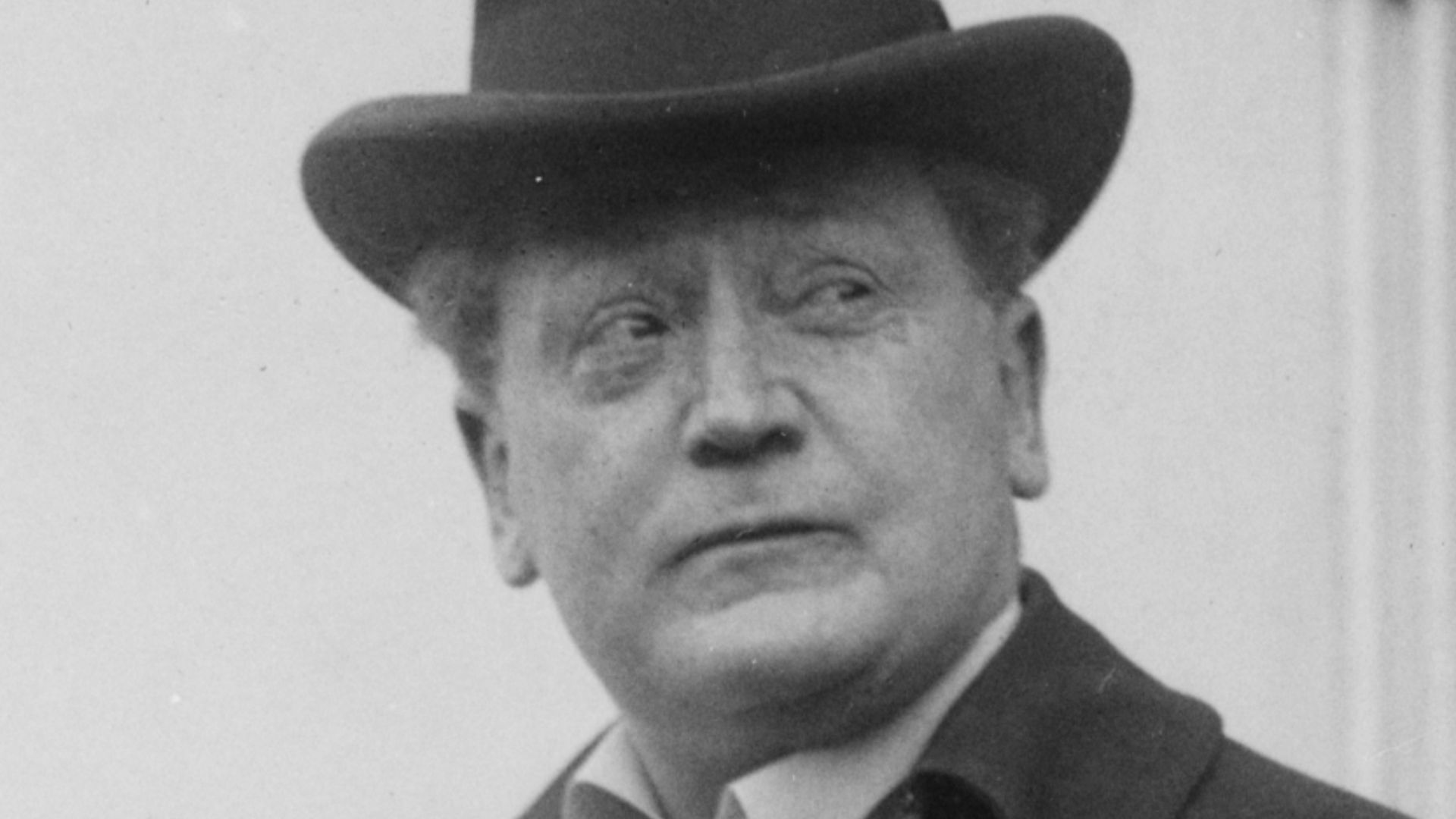 Bain News Service, publisher, Wikimedia Commons
Jackie Made An Unexpected Move
According to biographical accounts based on Cope's recollections, Jackie arranged for her lawyer to contact the prospective groom privately. The lawyer raised the possibility of a prenuptial agreement establishing substantial financial support for Lee. This was not merely a routine discussion about protecting assets, because the reported terms included a specific and considerable monthly payment.
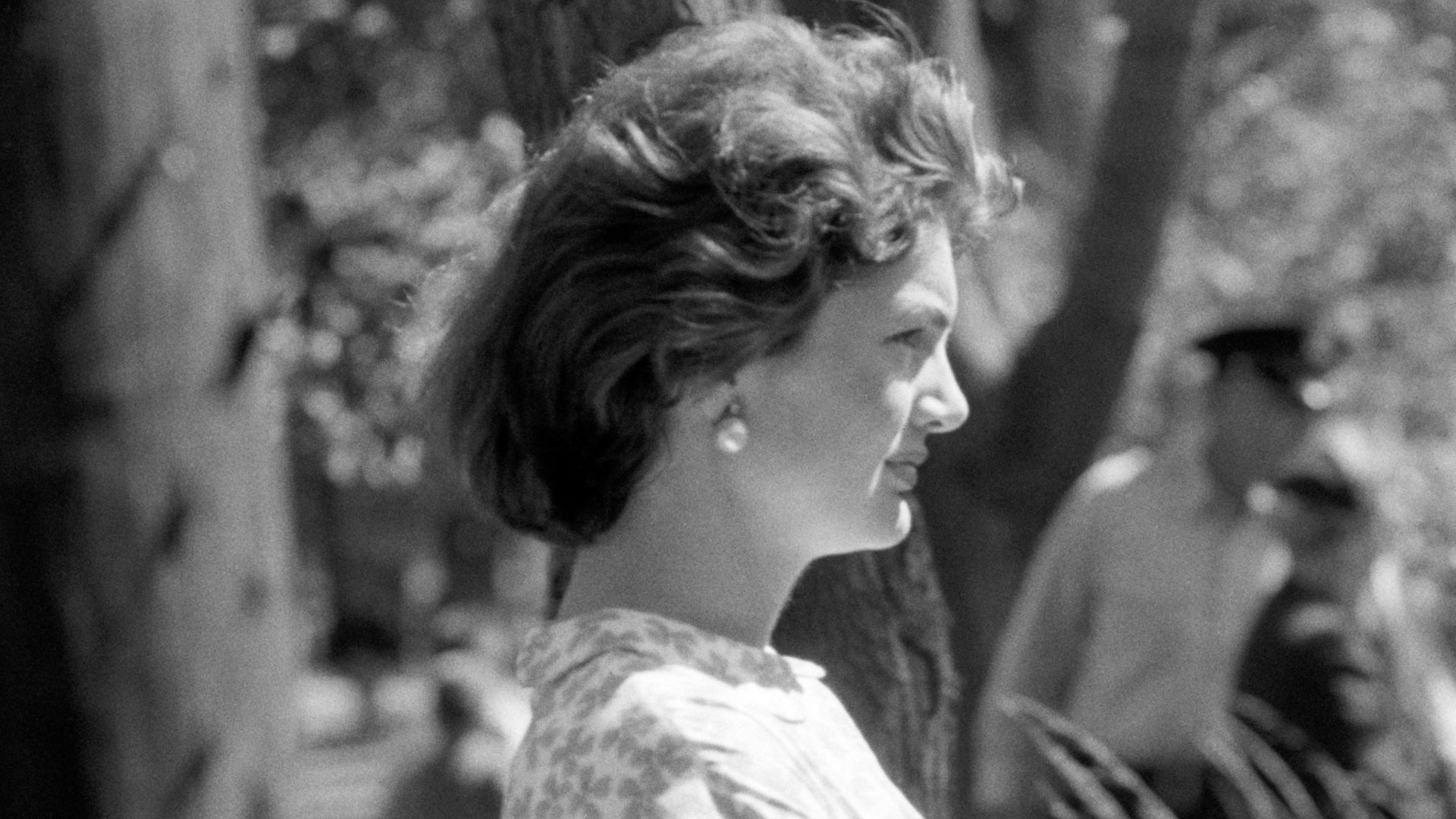 Toni Frissell, Wikimedia Commons
The Price Was Staggering
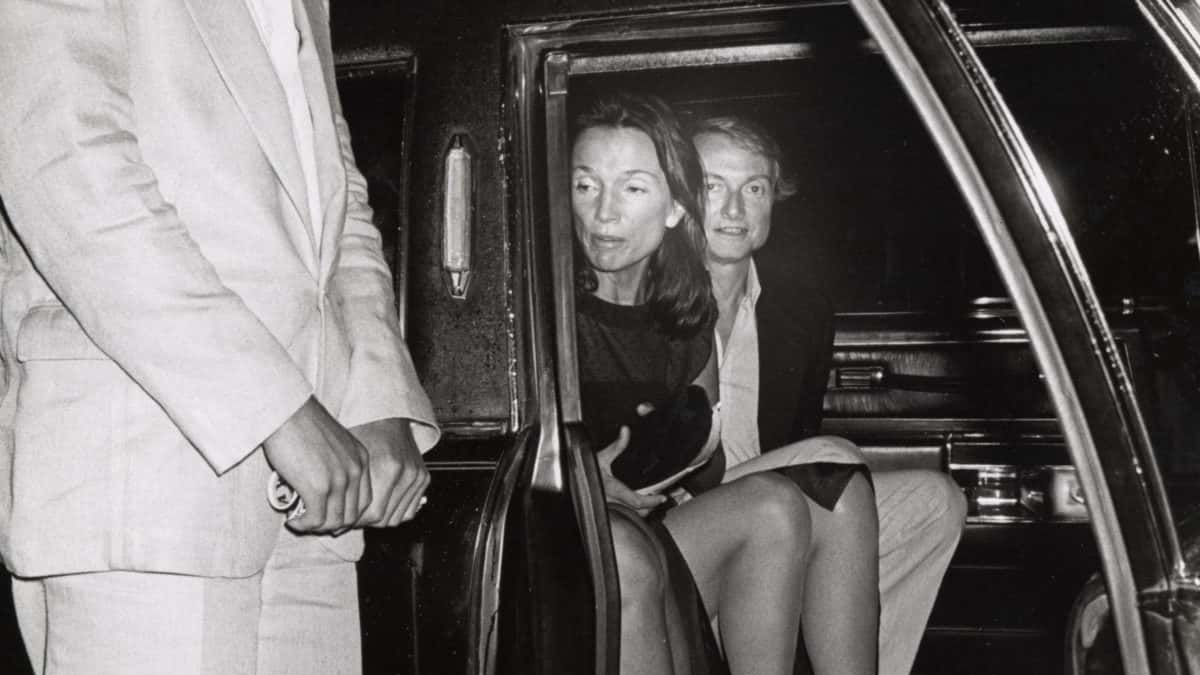
Cope reportedly was asked to provide Lee with $15,000 per month under the proposed prenuptial arrangement. That amounted to $180,000 annually, an enormous sum in 1979. To Cope, the demand seemed to transform what he regarded as a loving relationship into an expensive financial negotiation.
The Groom Was Furious
Cope later expressed his anger in interviews used by Lee's biographers, particularly Diana DuBois. He rejected the suggestion that he should effectively purchase access to a famous woman through a financial arrangement. His objection was not simply to the amount involved, but to what he considered interference from Jackie in a decision that should have belonged to him and Lee.
He Blamed Jackie For Everything
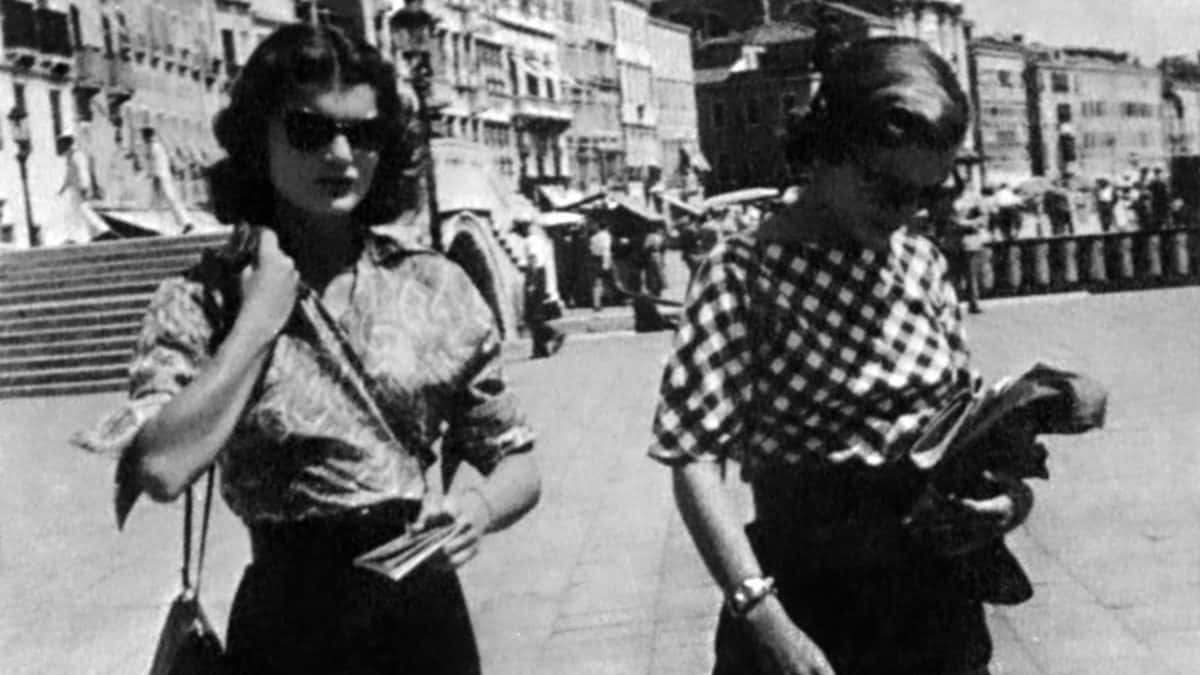
Cope believed Jackie was responsible for introducing the contentious financial demand. In his account, Lee was not naturally inclined to insist on such an arrangement, although he acknowledged that she wanted financial security. His testimony paints Jackie as a powerful presence in her sister's affairs, but it remains his interpretation rather than independent proof of Jackie's intentions.
 The U.S. National Archives, Wikimedia Commons
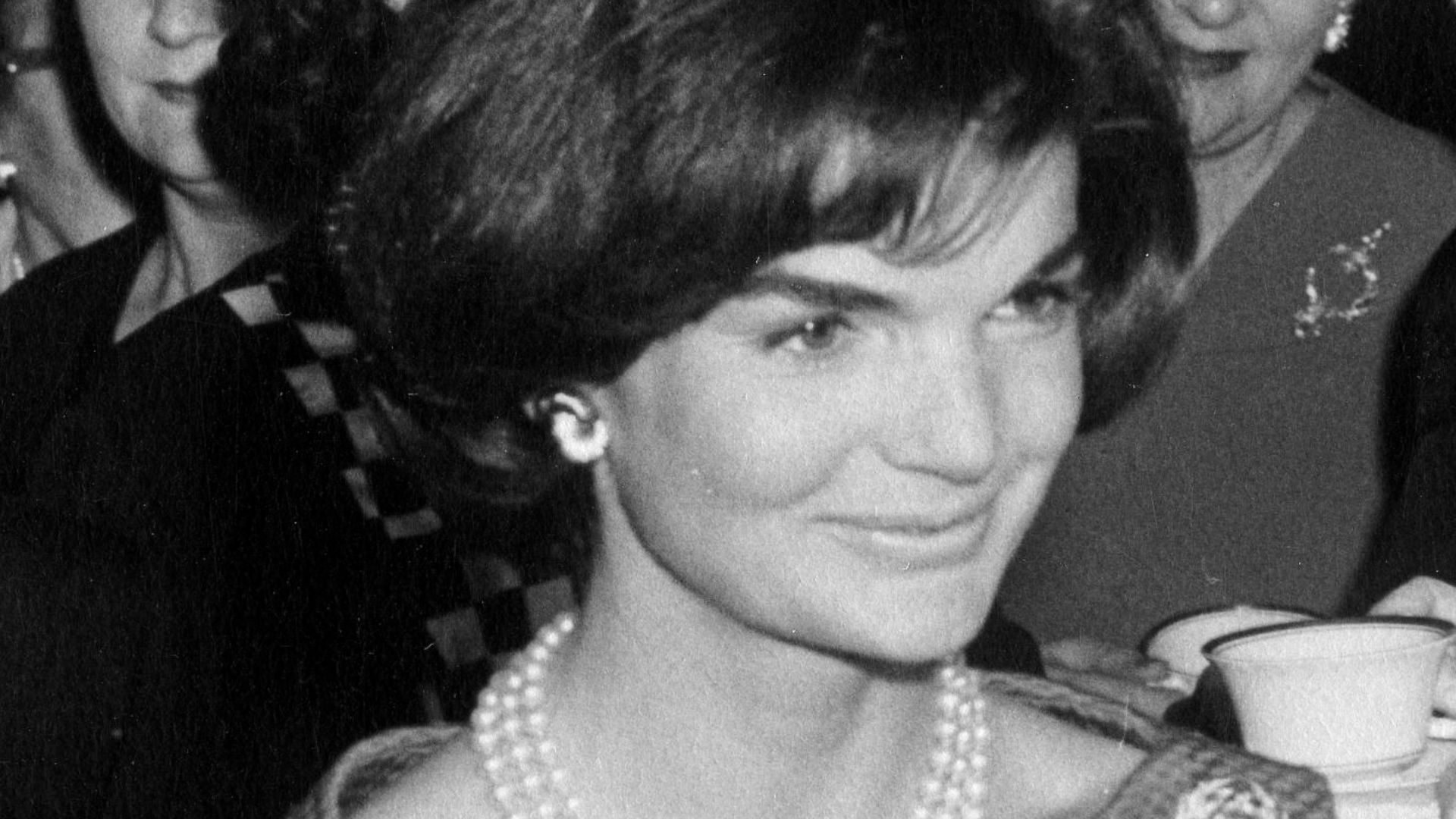
The Wedding Was Called Off
The disagreement proved disastrous, and Cope withdrew from the marriage shortly before the ceremony. The sudden cancellation turned what should have been a glamorous society wedding into an embarrassing public episode. Accounts differ in certain details of the final hours, but the proposed prenuptial agreement consistently appears in later reporting as a central reason the marriage collapsed.
They Still Took Their Honeymoon
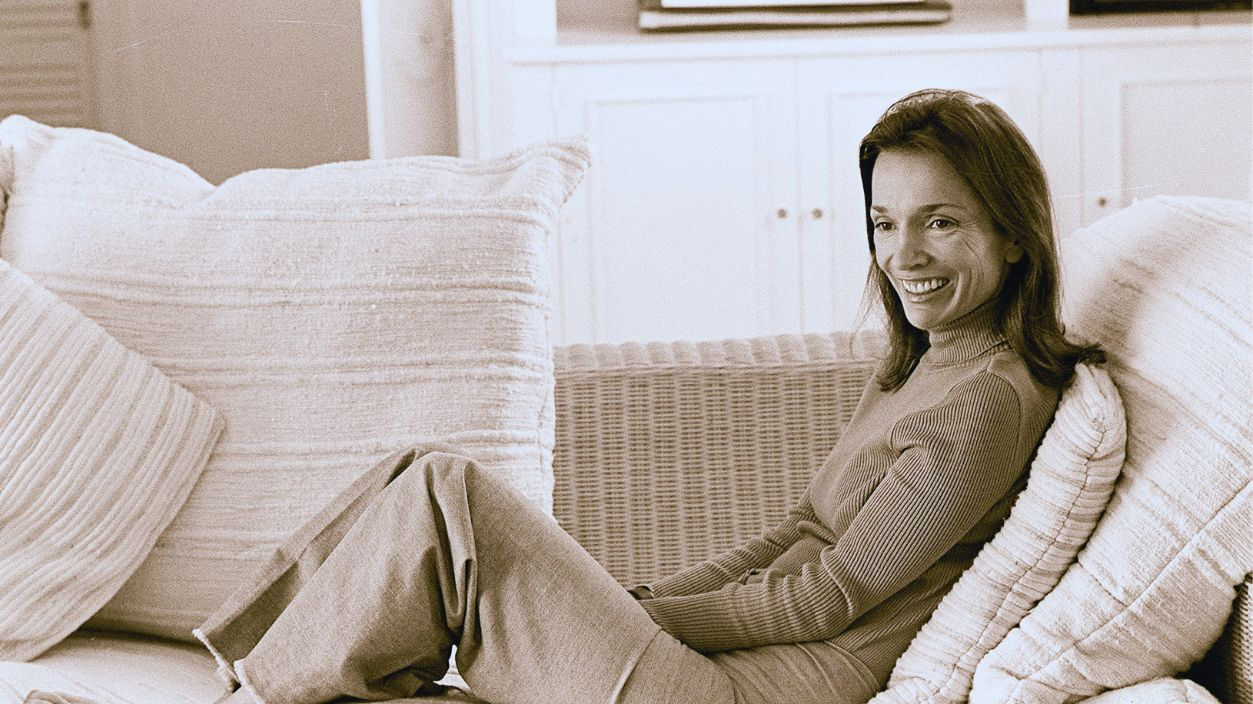
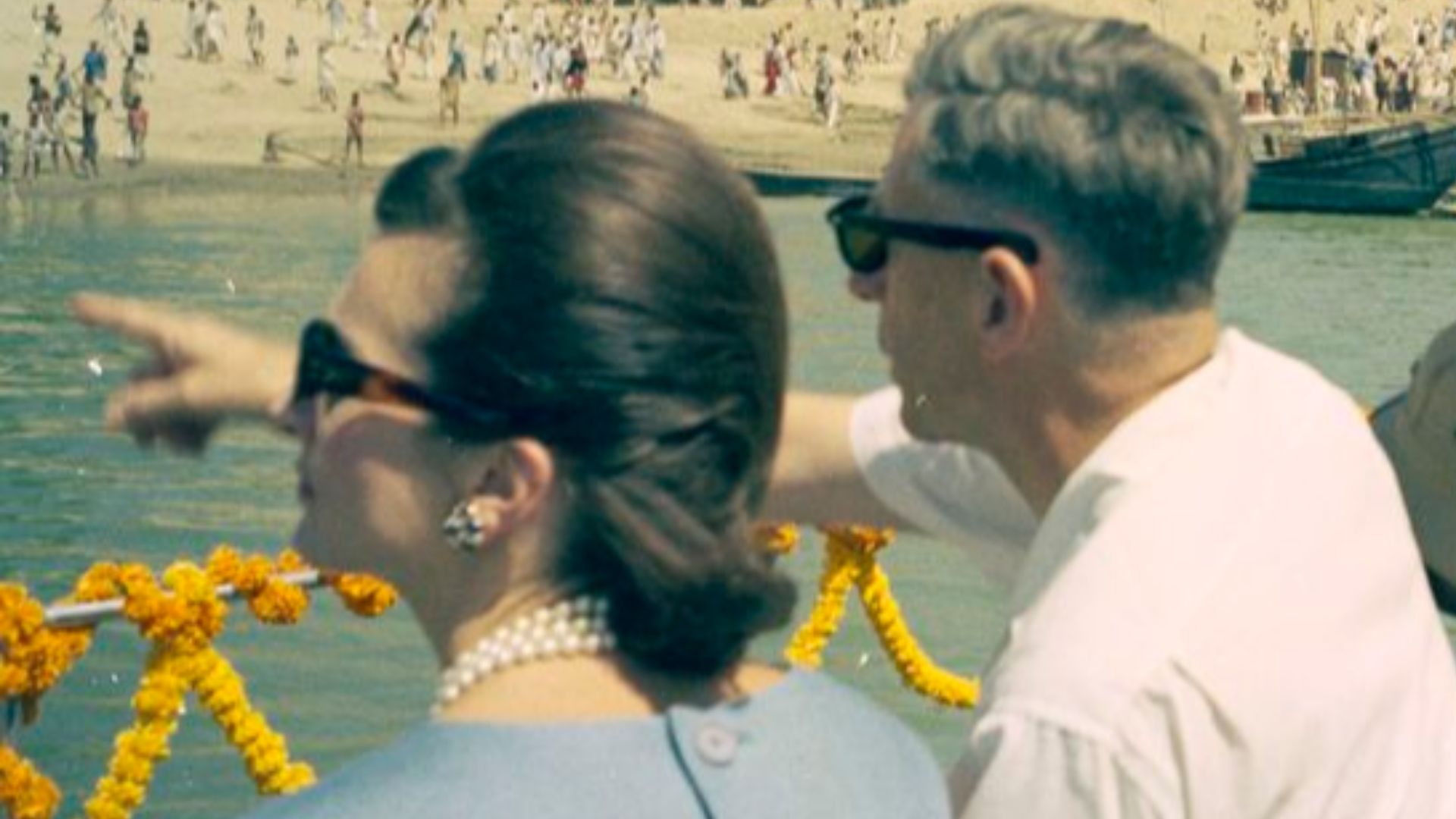
The strangest twist came after the wedding was cancelled, when Lee and Cope reportedly went ahead with their planned honeymoon trip anyway. Contemporary reporting described the couple leaving for a Caribbean resort despite having abandoned their marriage ceremony. The trip created an extraordinary contradiction: their romantic getaway proceeded even though the wedding it was supposed to celebrate never took place.
 Cecil Stoughton, Wikimedia Commons
Lee Faced Another Disappointment
Following the collapse of the engagement, Lee continued navigating a lifestyle that required substantial money to maintain. In 1979, she sold her spacious Fifth Avenue duplex and moved into a smaller Manhattan apartment. Meanwhile, Jackie had become extraordinarily wealthy following Aristotle Onassis's death in 1975, making the difference between the sisters' financial circumstances increasingly pronounced.
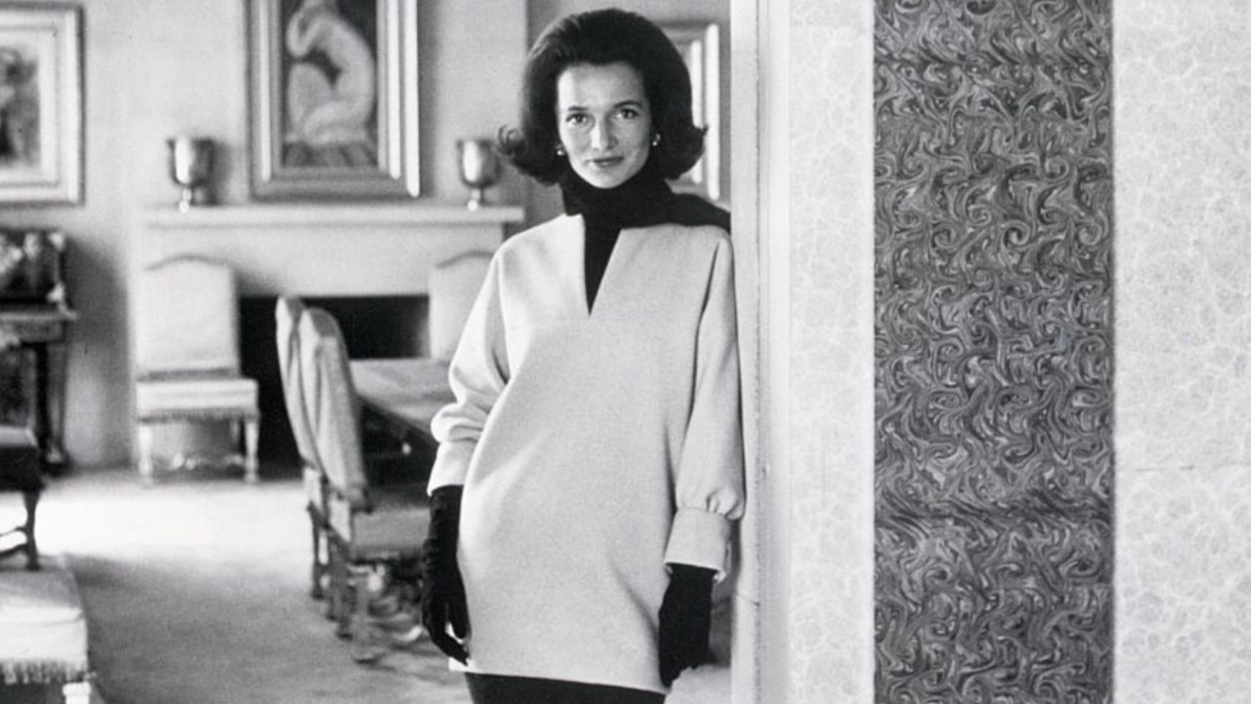
She Eventually Married Again
Lee finally married for a third time in September 1988, choosing film director and choreographer Herbert Ross. Interestingly, Jackie welcomed this union and hosted a dinner for the couple at her Fifth Avenue apartment. Their marriage initially appeared promising, but Lee and Ross eventually divorced in 2001, shortly before his death.
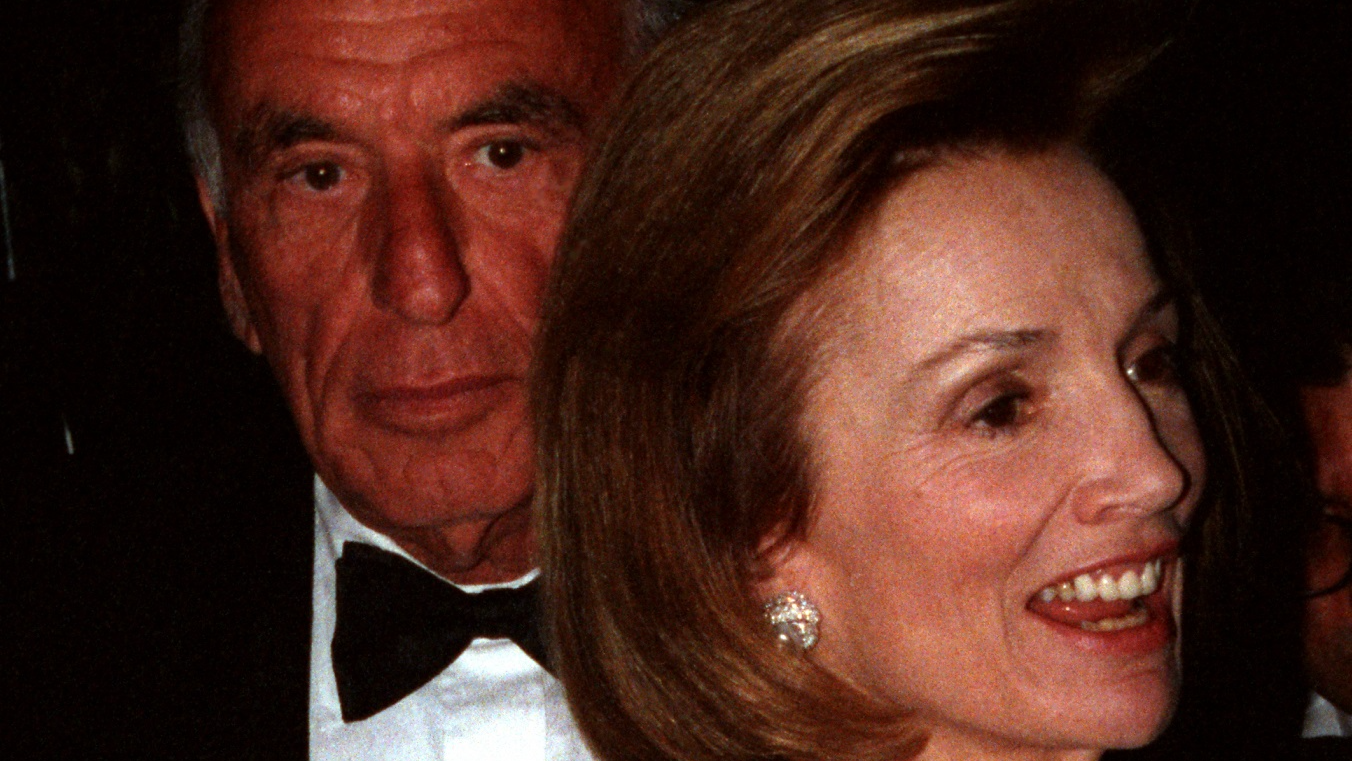
Their Relationship Never Fully Healed
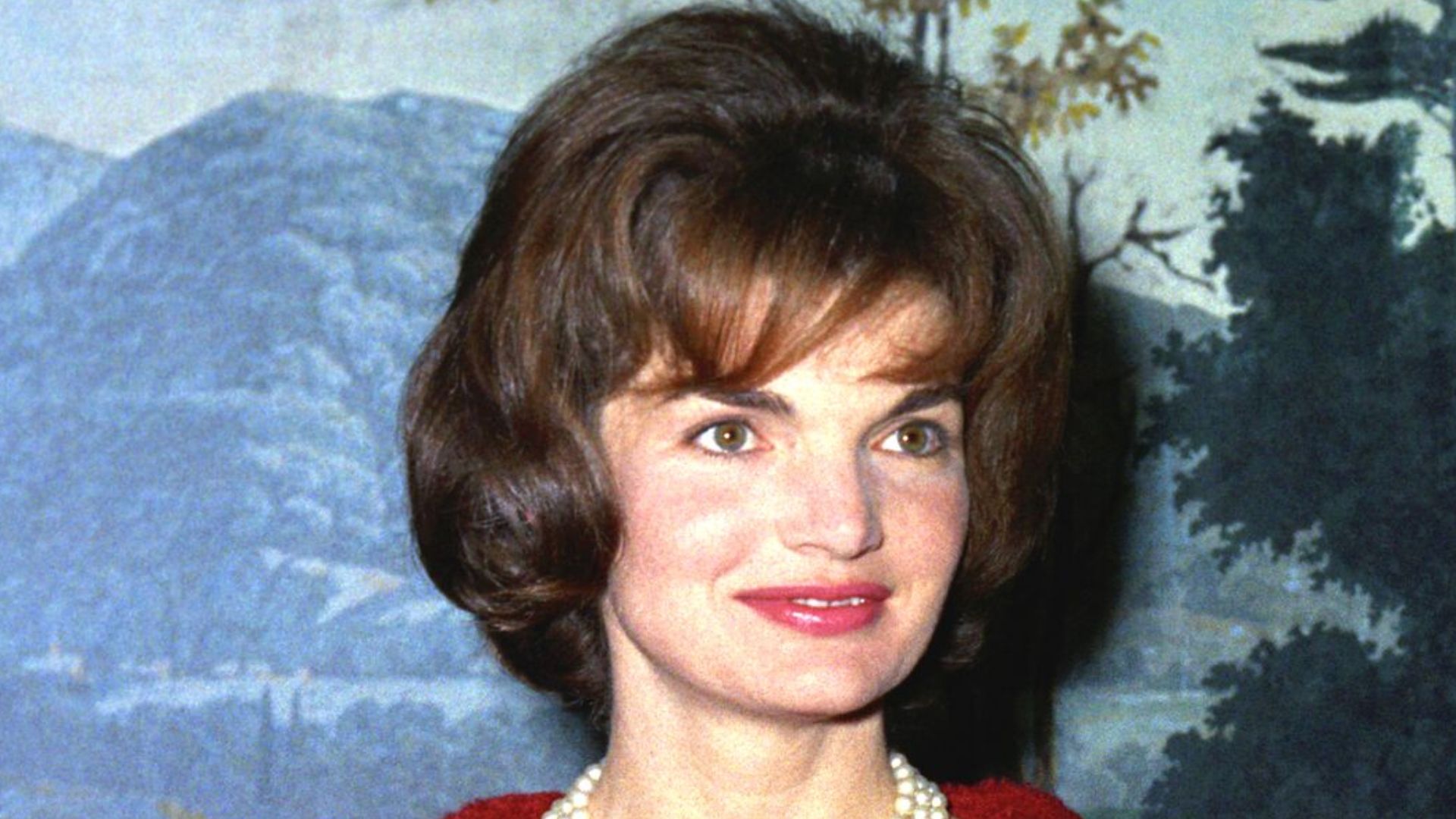
Despite the affection that connected the sisters, their relationship remained complicated throughout their lives. When Jackie died of cancer in May 1994, she left substantial provisions for Lee's children but no personal inheritance for Lee herself, explaining in her will that she had already helped her during her lifetime. Yet Lee had rushed to her sister's side during her illness, revealing that years of rivalry had never entirely erased their emotional bond.
 Robert LeRoy Knudsen, Wikimedia Commons
Lee Refused To Remain In Jackie's Shadow
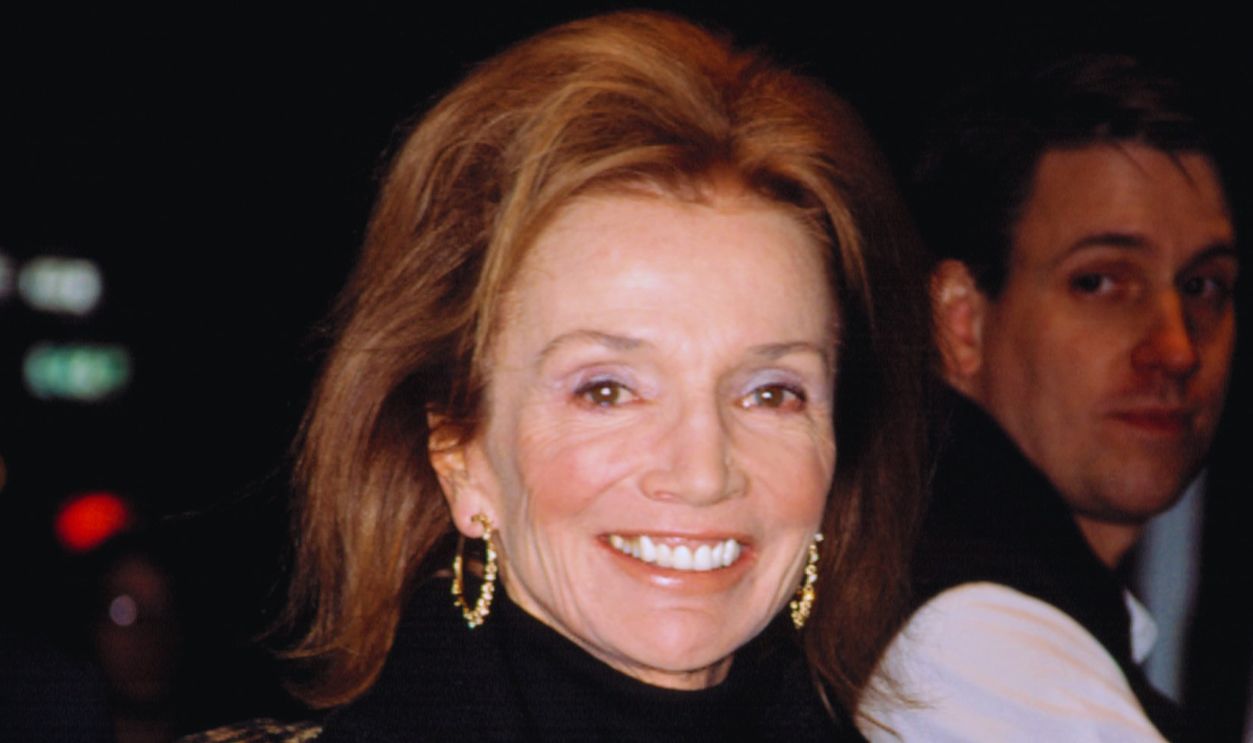
Lee Radziwill died in New York on February 15, 2019, at the age of 85, having spent decades cultivating a reputation for extraordinary personal style. Her abandoned wedding to Newton Cope remains one of the most revealing episodes in the story of her relationship with Jackie, although the sisters' private motives cannot be known with certainty. Ultimately, Lee wanted to be remembered for more than her famous family connection, once declaring, "I'm nobody's kid sister."
 Everett Collection, Shutterstock
You May Also Like:
Dr. Feelgood, JFK, And The Magic "Vitamins" That Fuelled Hollywood
The Most Iconic Couples Of The 1960s