
The Most Defiant Reply In Ancient History
When Philip II of Macedon threatened Sparta with invasion, he probably expected the city's leaders to reconsider their resistance. Instead, according to the ancient historian Plutarch, the Spartans responded with a single word: "If." It was a breathtaking display of defiance against one of the most powerful rulers in Greece, but the full story reveals something even more fascinating about Spartan courage, Macedonian ambition, and the dangerous difference between confidence and reality.
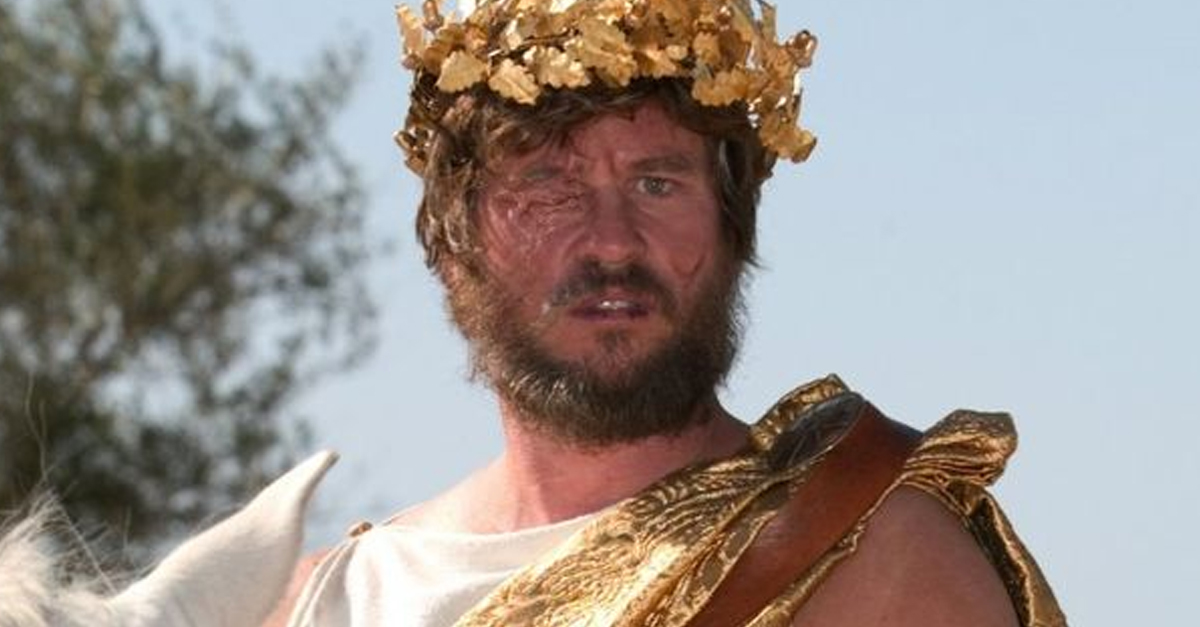
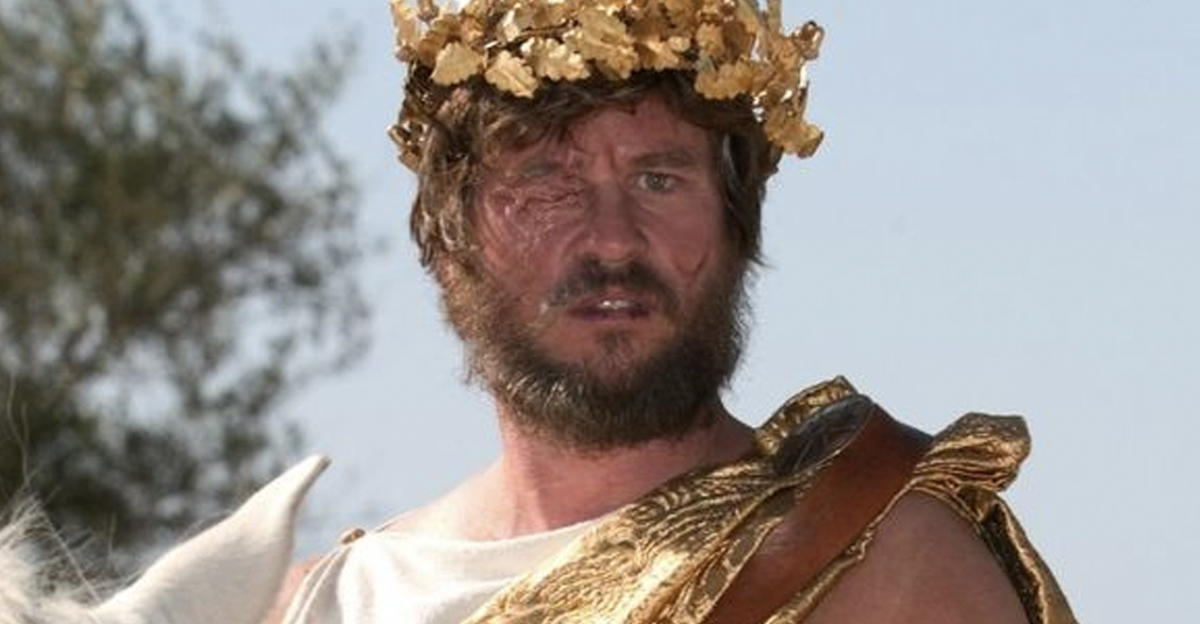 Alexander (2004), Warner Bros. Pictures
A King Who Was Changing Greece
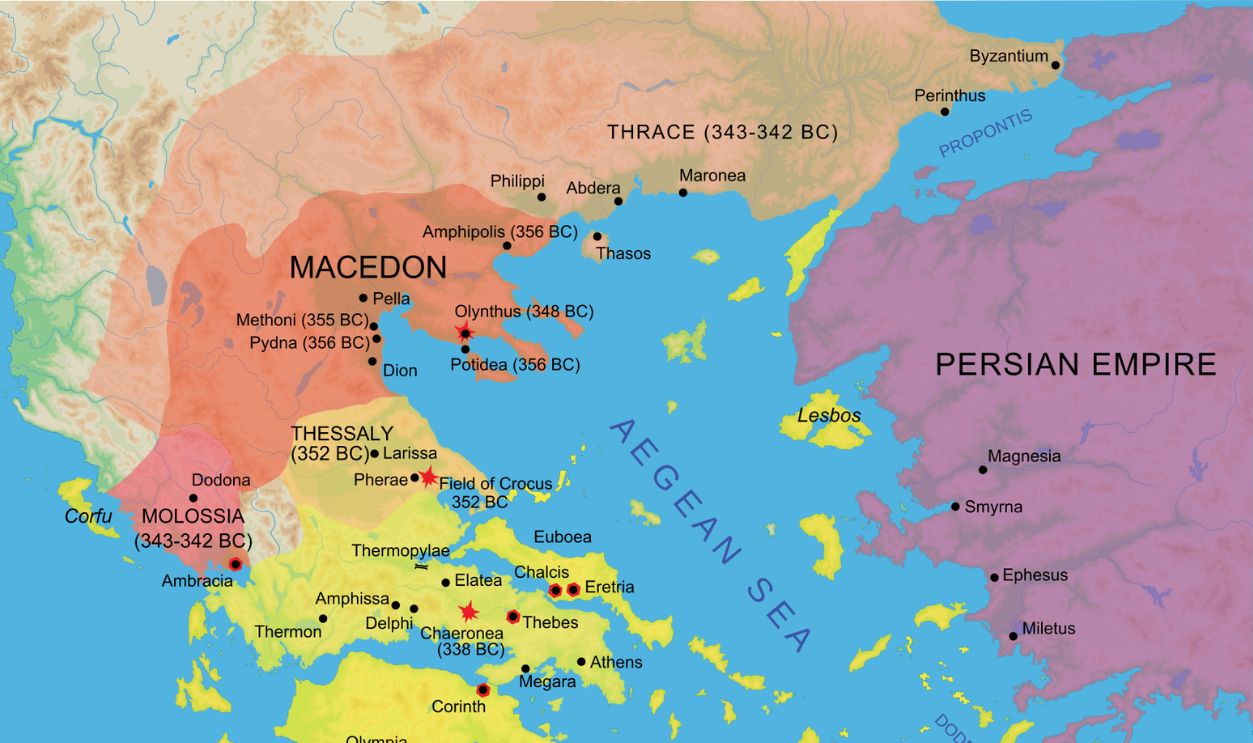
By the middle of the fourth century BC, Philip II of Macedon was transforming the political landscape of ancient Greece. Having inherited a kingdom threatened by powerful enemies and internal instability, he developed Macedonia into a formidable military power. His growing influence alarmed the independent Greek city-states, many of which had spent generations fighting one another for supremacy.
The Man Behind The Threat
Philip became king of Macedonia in 359 BC and immediately began strengthening his position through military reforms, diplomacy, and territorial expansion. He reorganized his army, improved its effectiveness, and made extensive use of the long Macedonian pike known as the sarissa. These changes helped create a fighting force capable of challenging the armies that had traditionally dominated Greek warfare.
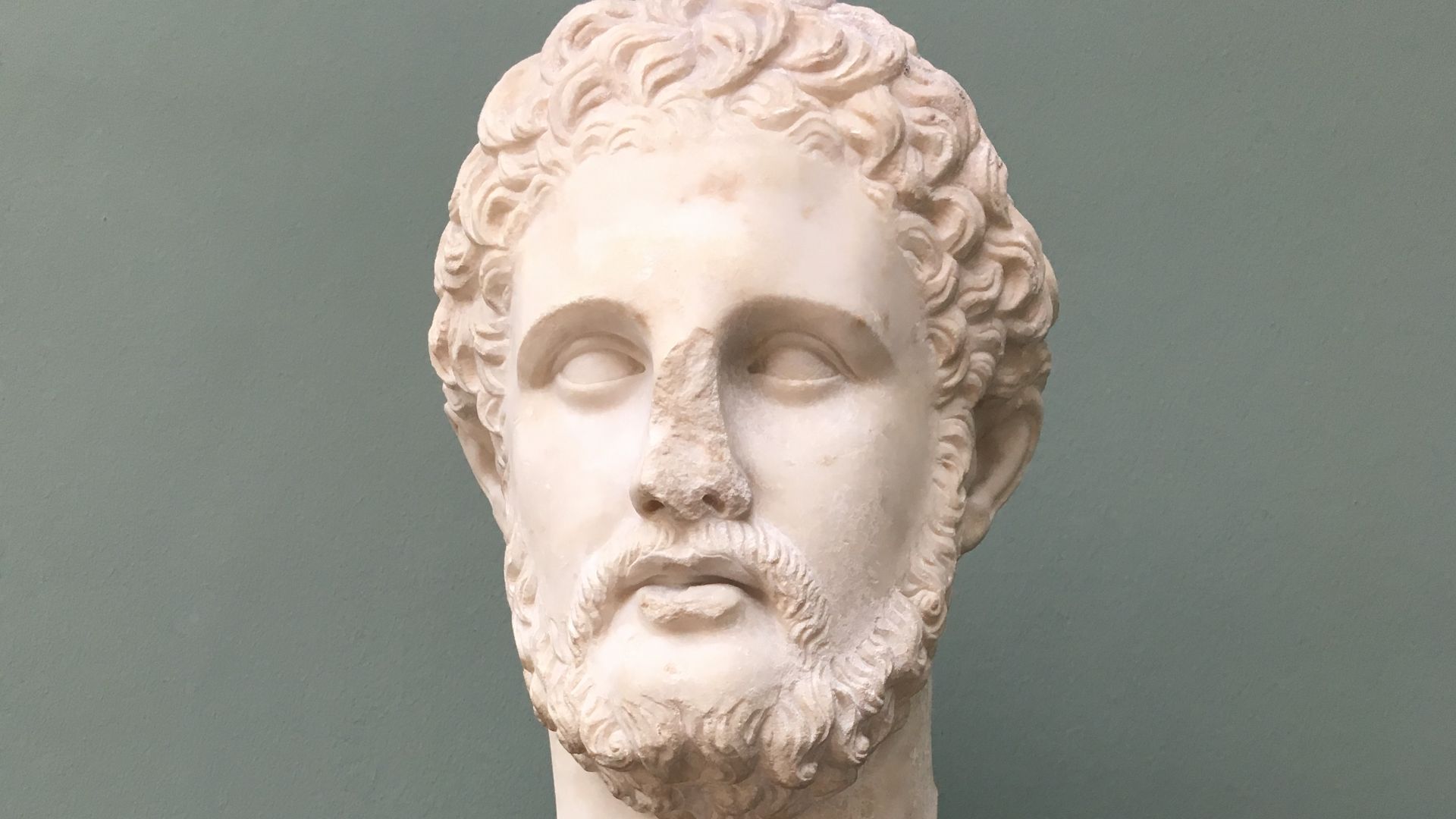 MumblerJamie, Wikimedia Commons
He Had A Famous Son
Philip's military achievements are sometimes overshadowed by those of his son, Alexander the Great. Born in 356 BC, Alexander inherited the powerful kingdom and army that his father had built. However, before Alexander conquered the Persian Empire, Philip had already accomplished something extraordinary by bringing much of Greece under Macedonian influence.
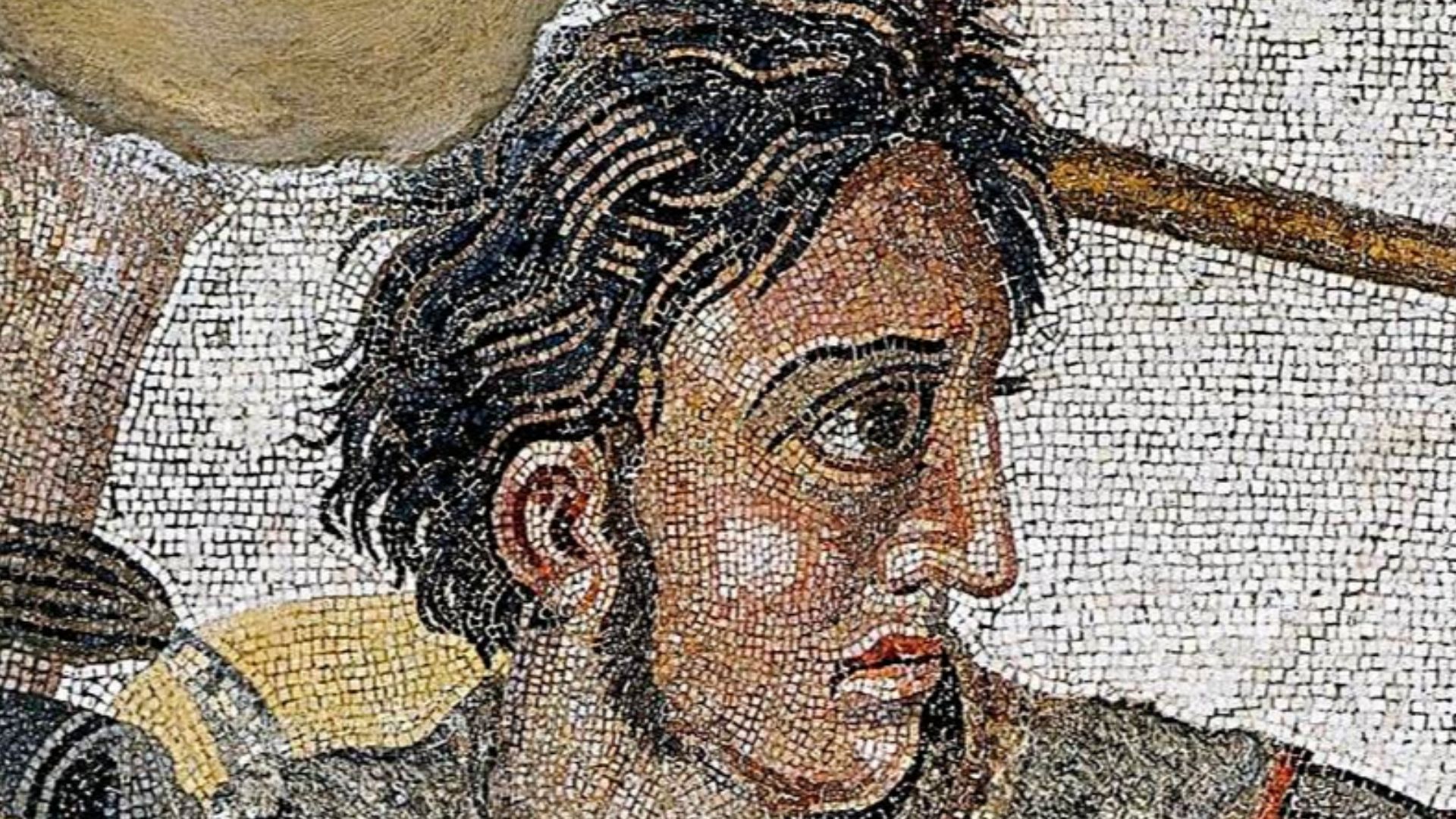 Unknown authorUnknown author, Wikimedia Commons
One City Refused To Bow
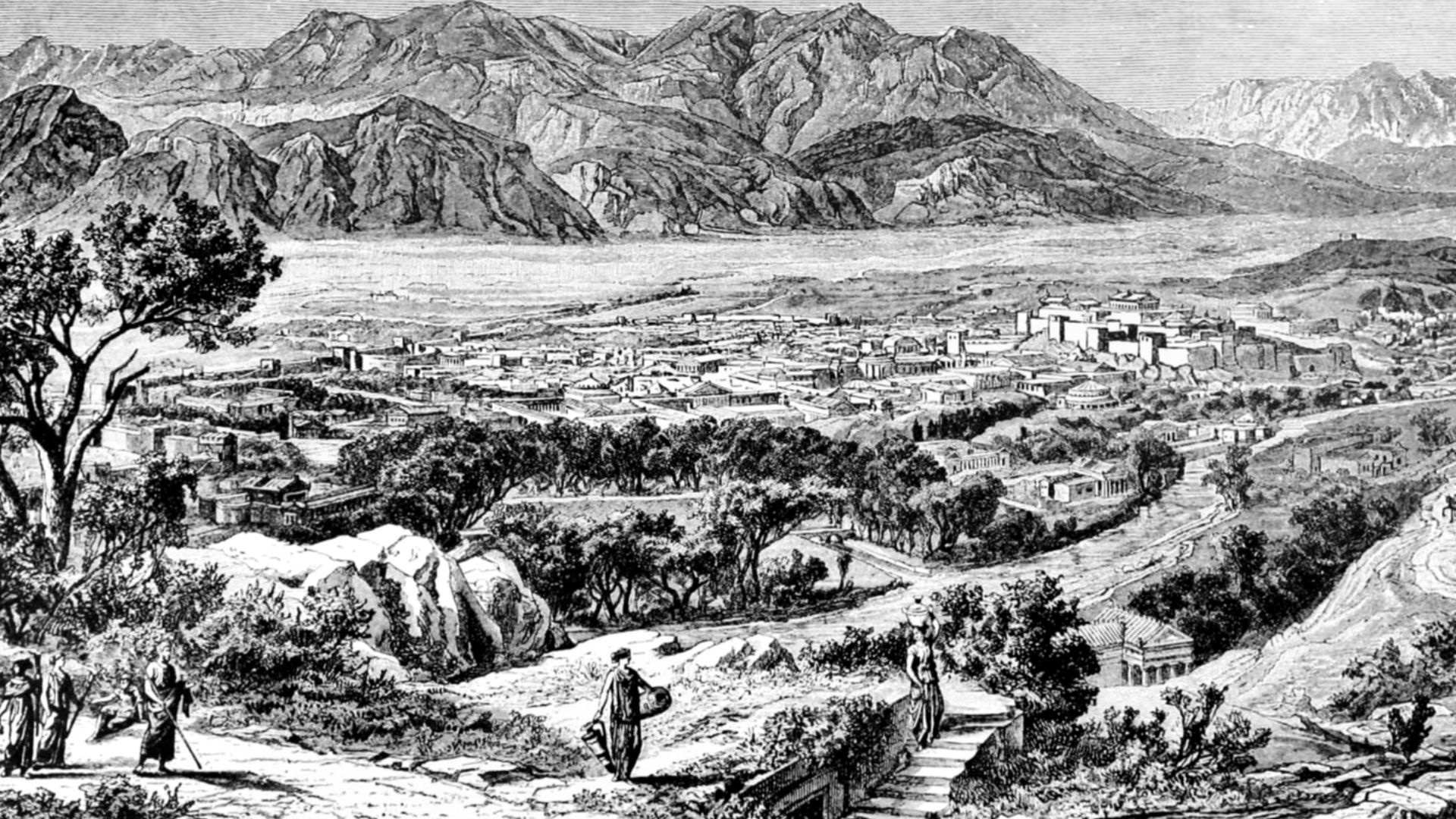
While other Greek states were increasingly forced to negotiate with Macedonia, Sparta maintained its fierce attachment to independence. The city had once been the dominant military power in Greece, and its warriors possessed a reputation that extended far beyond the Peloponnese. Although Spartan power had declined significantly by Philip's reign, its leaders remained unwilling to accept another state's authority.
 John Steeple Davis, Wikimedia Commons
Sparta Was No Ordinary City
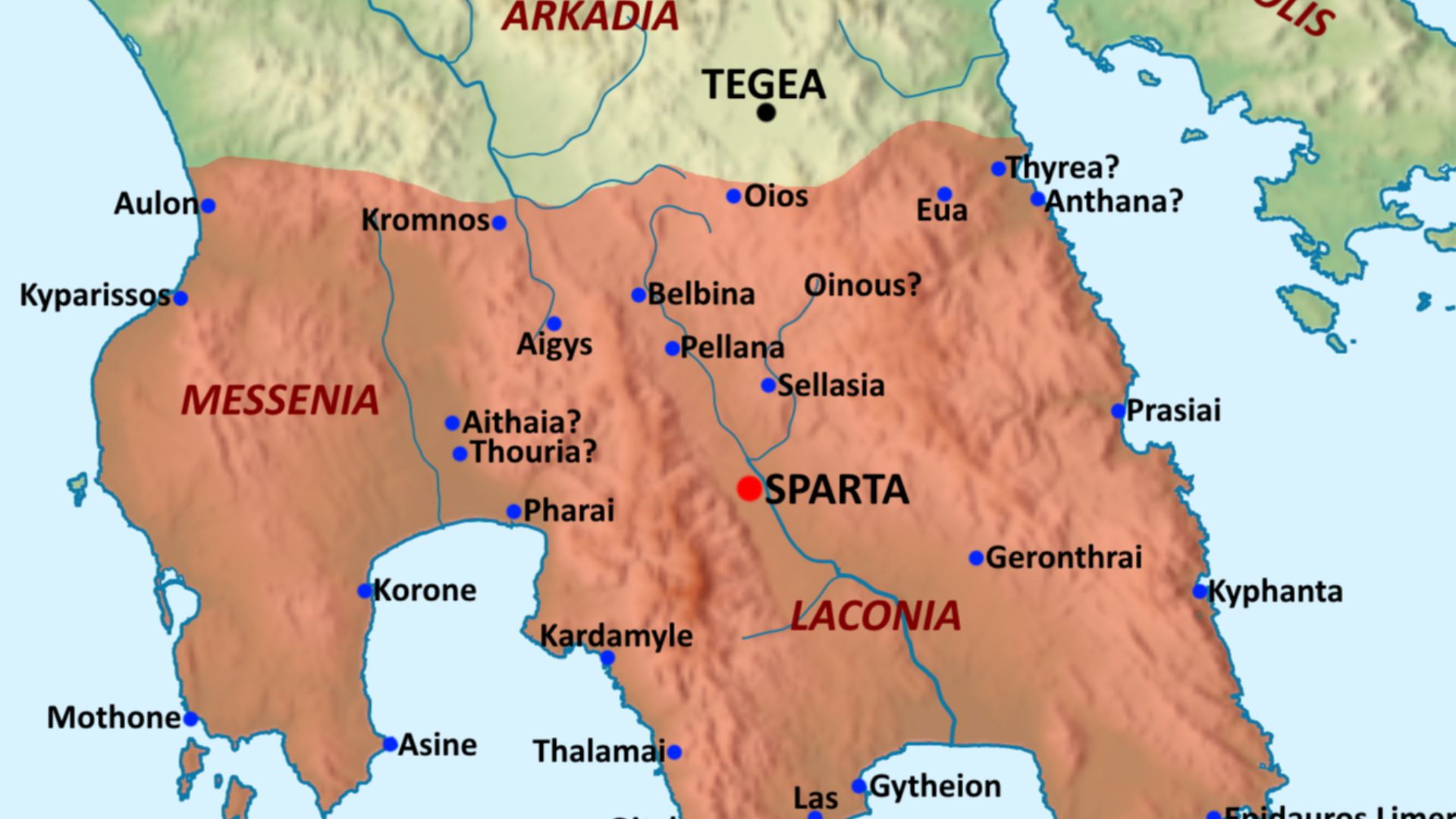
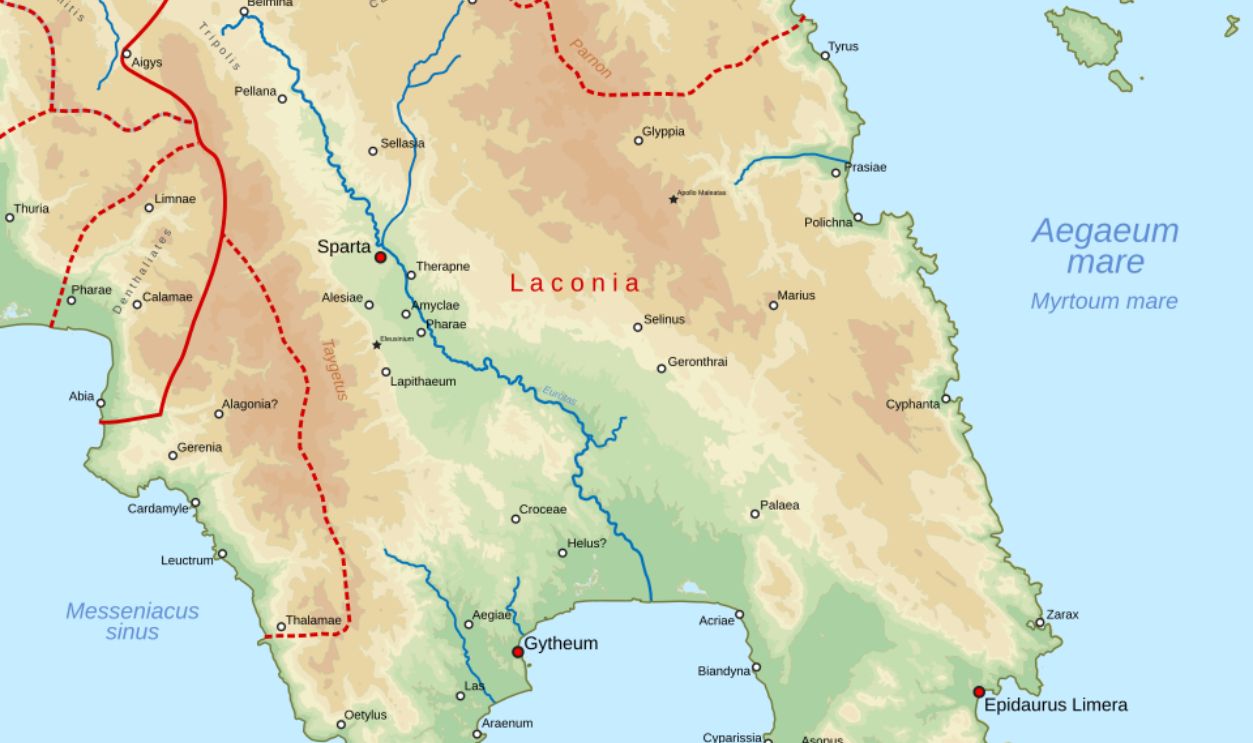
Ancient Sparta occupied the region of Laconia in the southern Peloponnese, where its political and social institutions differed dramatically from those of many other Greek communities. Its citizen population was organized around military service, discipline, and obedience to the state. This system helped produce formidable soldiers, but it also encouraged a distinctive culture in which endurance and courage were celebrated above personal comfort.
They Raised Boys For War
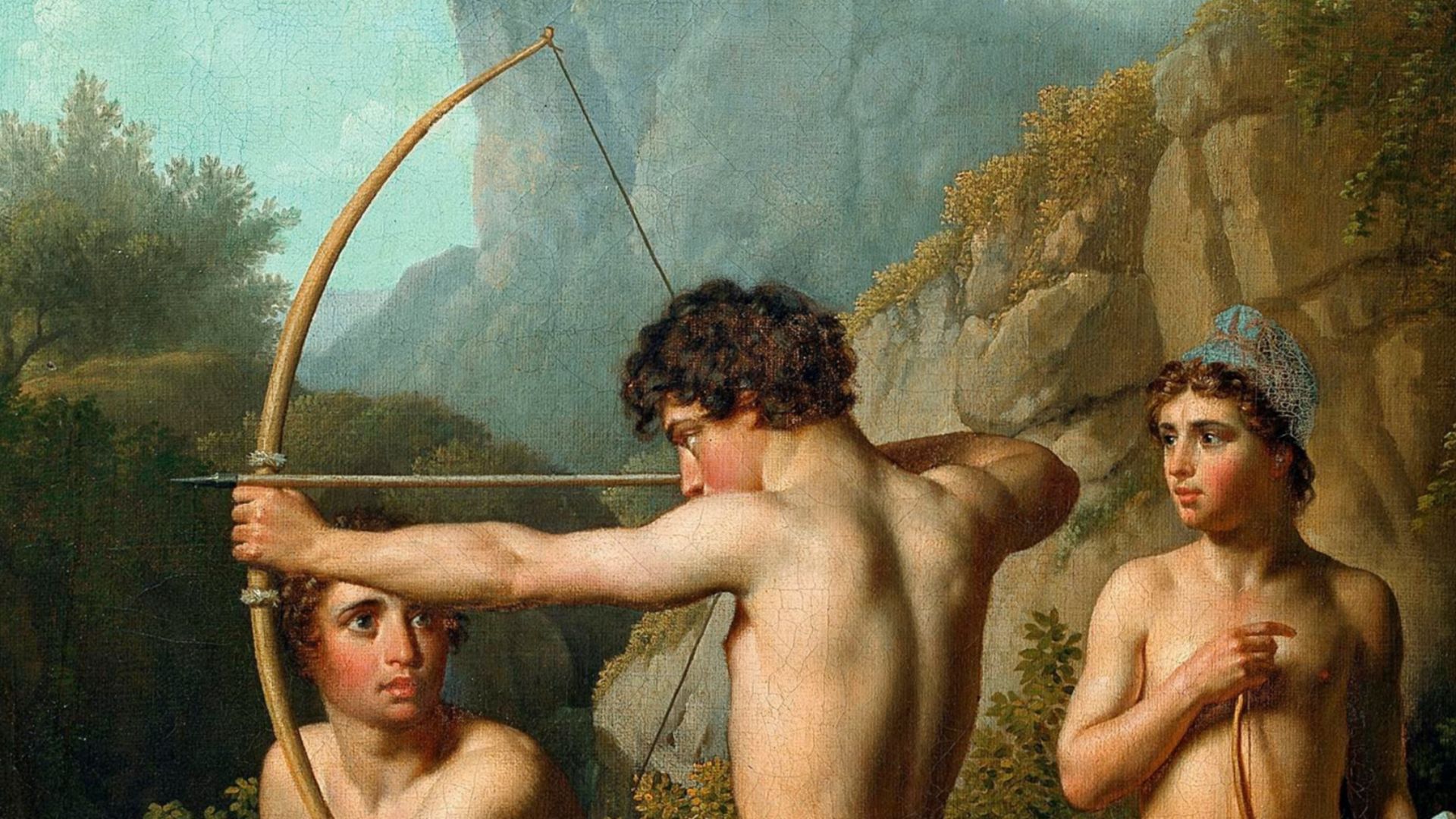
Spartan boys entered a state-supervised educational system traditionally known as the agoge, which emphasized physical training, discipline, and collective responsibility. Military preparation occupied a central place in the lives of male citizens, who were expected to defend their community when called upon. The system was demanding, but it helped establish the reputation for toughness that made Spartan warriors famous throughout the ancient world.
 Christoffer Wilhelm Eckersberg, Wikimedia Commons
Their Reputation Had Been Earned
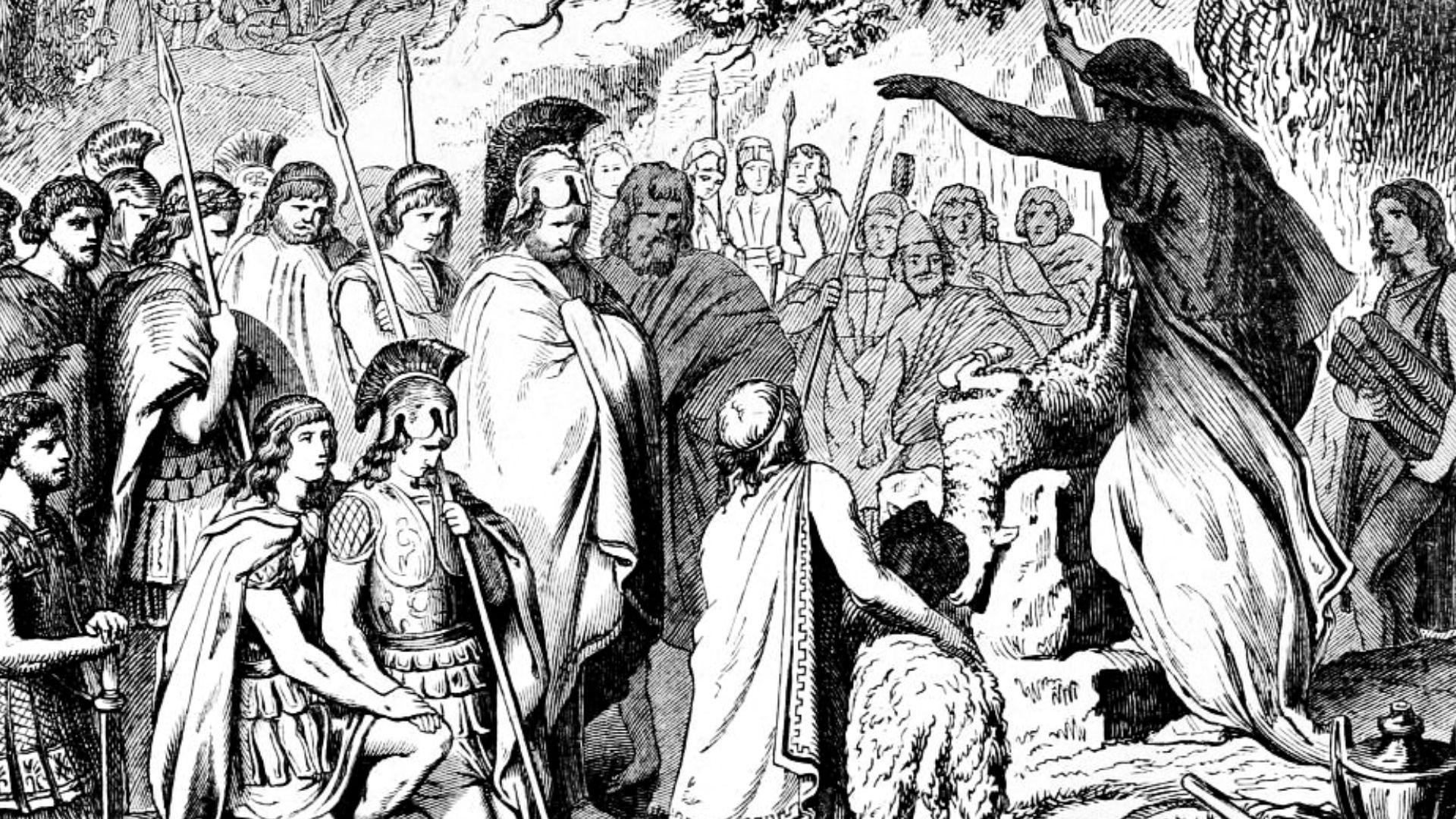
Sparta's military prestige had reached its greatest heights during the fifth century BC, when its forces played a central role in resisting the Persian invasions of Greece. King Leonidas and his defenders became legendary for their stand at Thermopylae in 480 BC, while Spartan-led Greek forces achieved a decisive victory at Plataea the following year. These achievements reinforced the idea that Spartan soldiers would face overwhelming odds rather than surrender their principles.
Sparta Had Once Ruled Greece
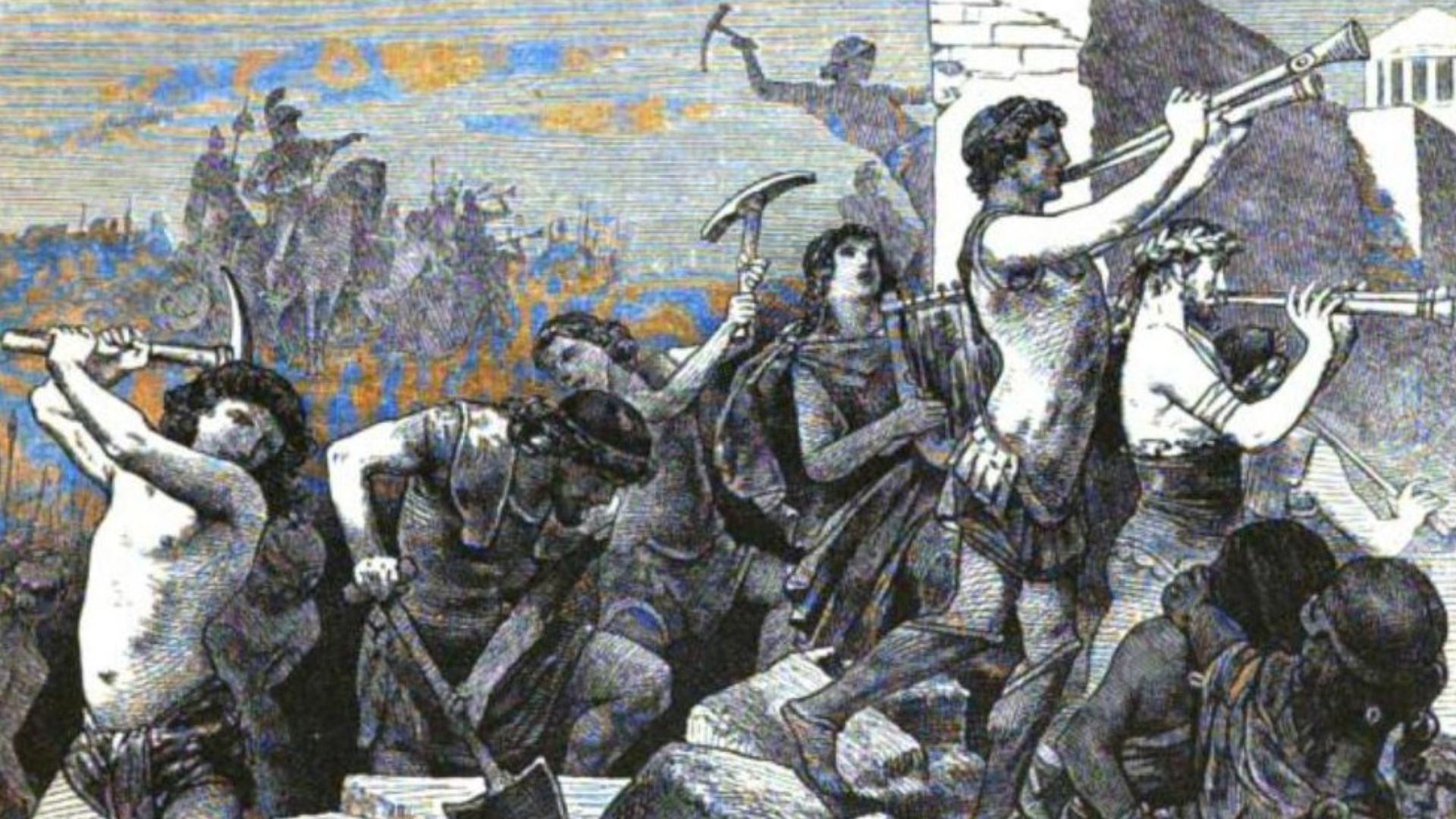
Sparta later emerged victorious from the Peloponnesian War, a prolonged conflict against Athens and its allies that ended in 404 BC. The defeat of Athens established Sparta as the leading military power in the Greek world, although its dominance proved difficult to maintain. Other city-states increasingly resented Spartan interference, creating rivalries that would eventually undermine its position.
 Unknown authorUnknown author, Wikimedia Commons
Then Everything Fell Apart
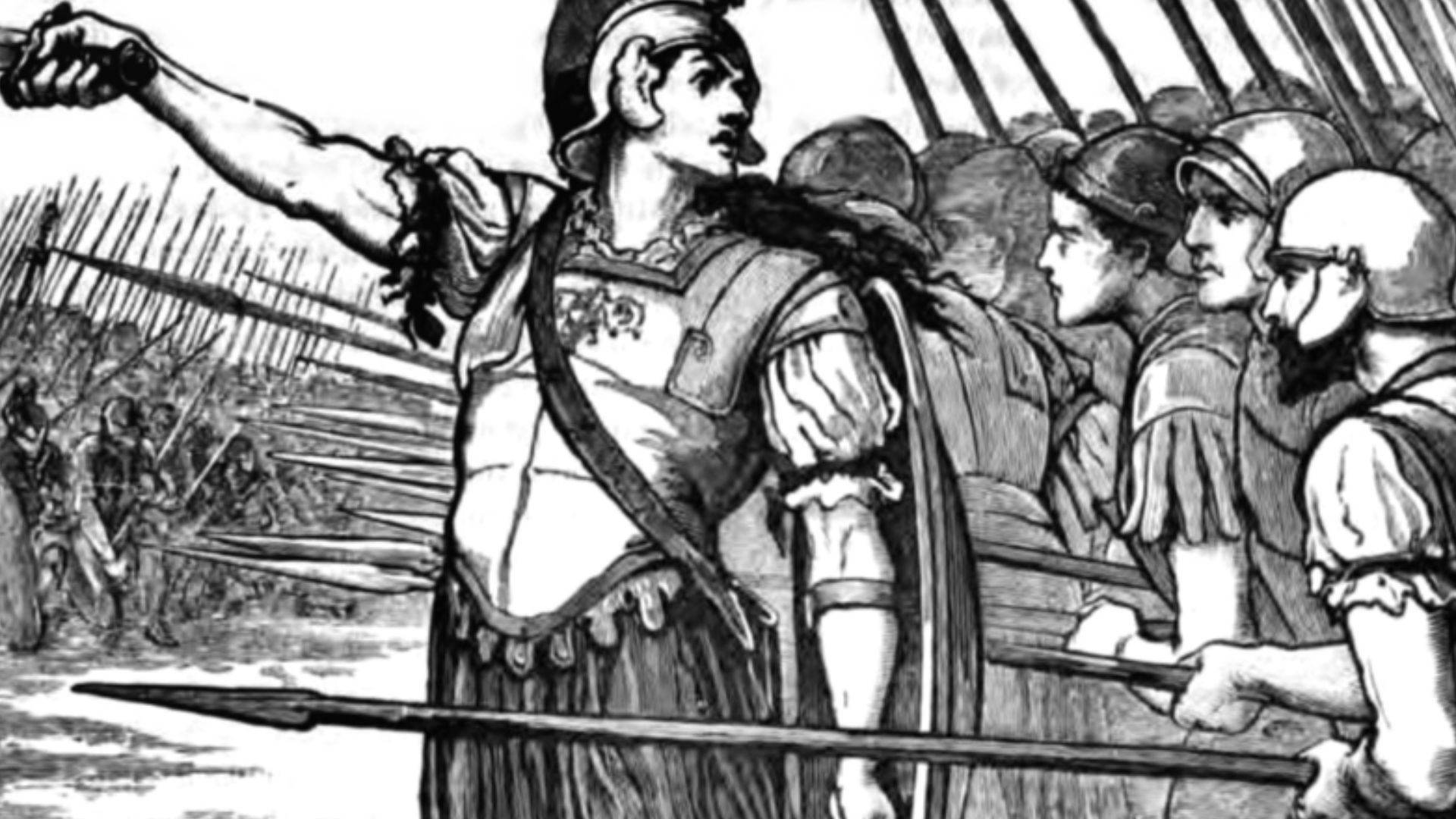
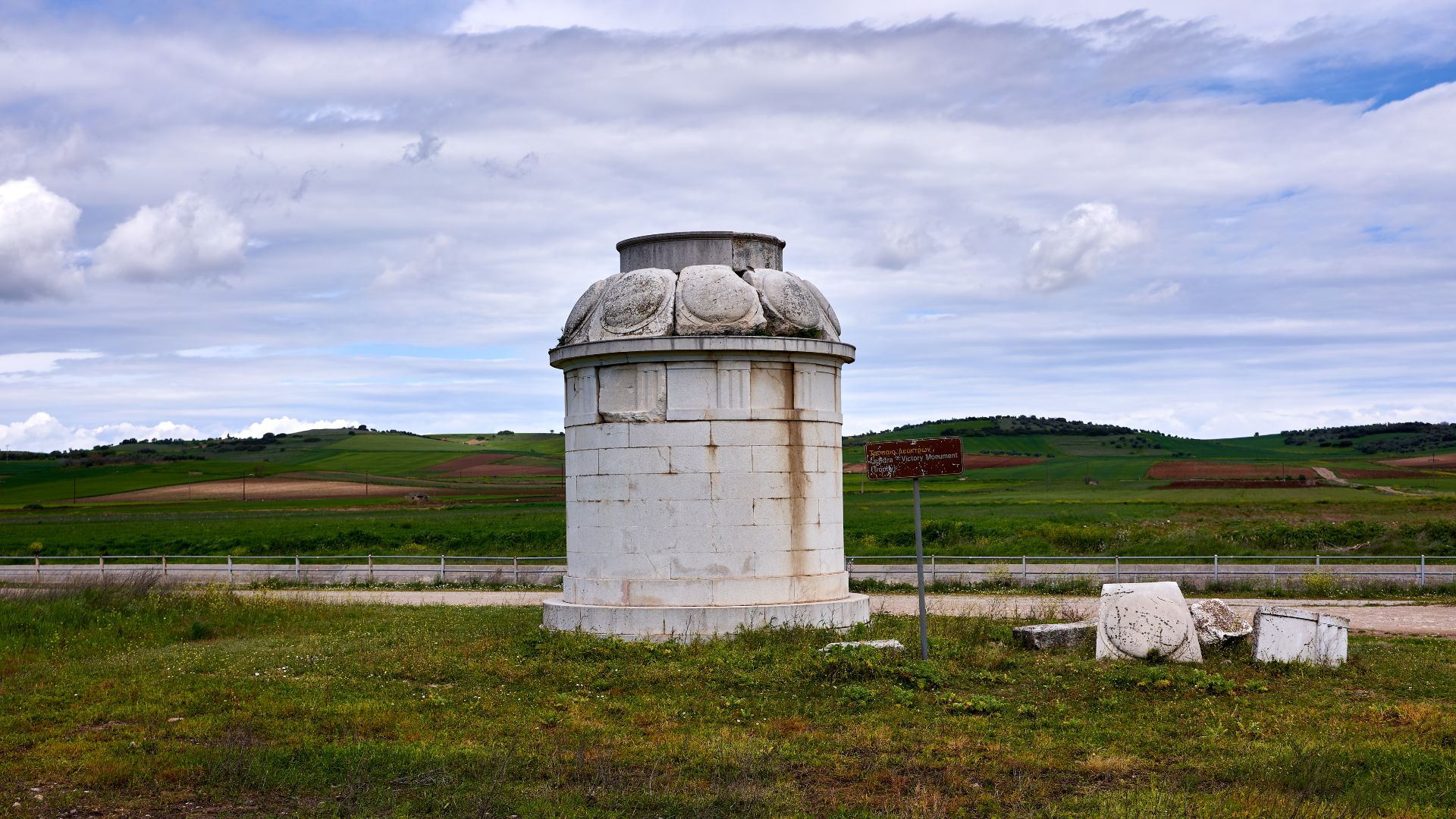
In 371 BC, Sparta suffered a devastating defeat at the Battle of Leuctra against an army led by the Theban commander Epaminondas. The battle shattered the widespread belief that Spartan hoplites were virtually unbeatable in a major land engagement. Sparta lost significant numbers of experienced soldiers, including King Cleombrotus I, and its political influence began to collapse.
 Edmund Ollier Publication date 1882, Wikimedia Commons
The Enemy Struck At Sparta's Foundations
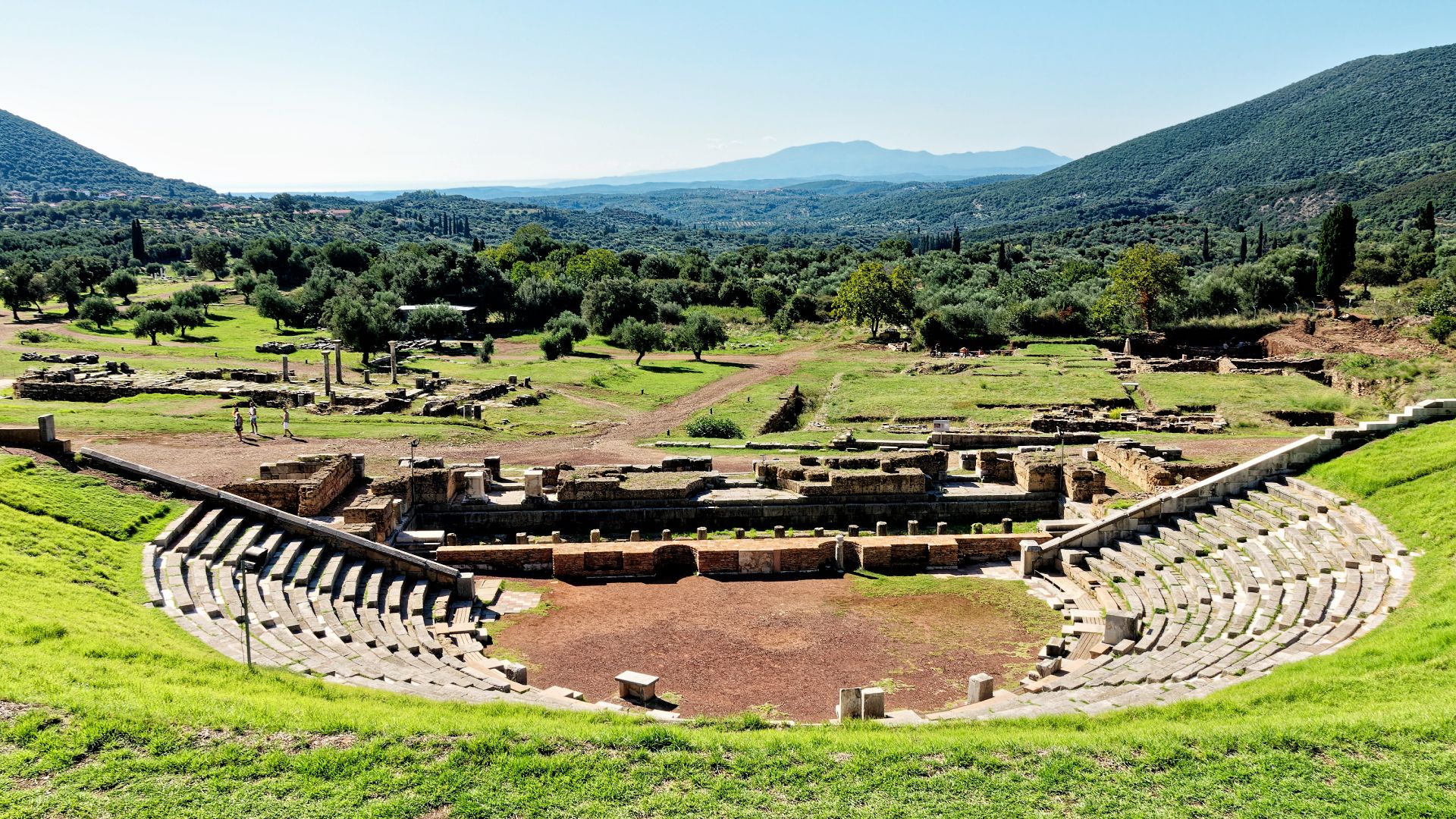
Following Leuctra, Epaminondas led an army into Laconia and challenged Spartan power within its own territory. He also helped secure the independence of Messenia, a region whose agricultural production and enslaved population had long supported the Spartan state. The loss of Messenia deprived Sparta of valuable resources and permanently weakened its ability to dominate southern Greece.
 Holger Uwe Schmitt, Wikimedia Commons
Their Army Was Shrinking
Sparta's problems extended beyond battlefield defeats because the number of full Spartan citizens had been declining for generations. Its rigid social system restricted citizenship, while unequal landownership made it increasingly difficult for some families to maintain their traditional status. By the fourth century BC, Sparta remained famous for its military traditions, but its capacity to field large armies of citizen soldiers had been seriously reduced.
Philip Saw A Weakened Rival
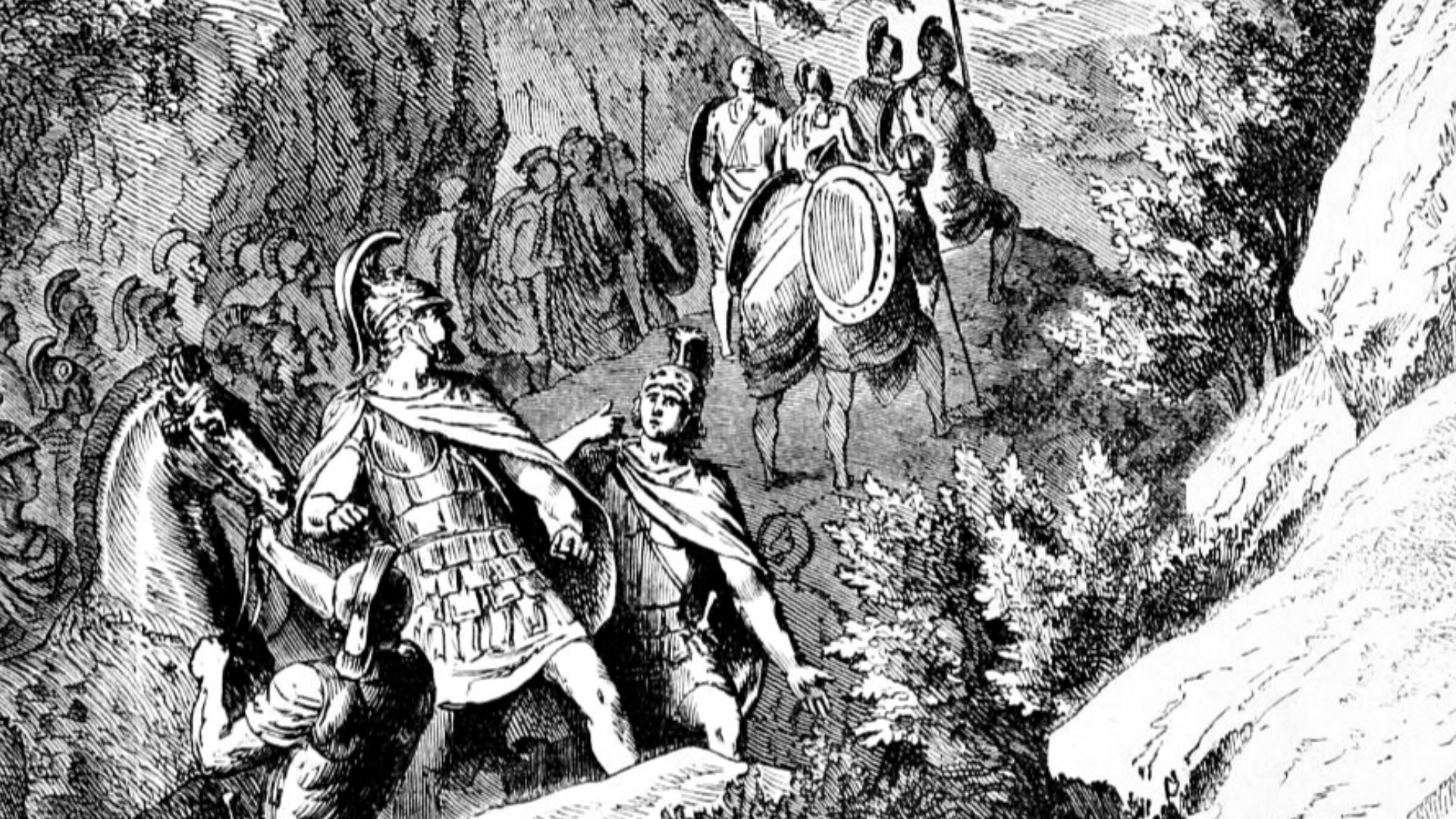
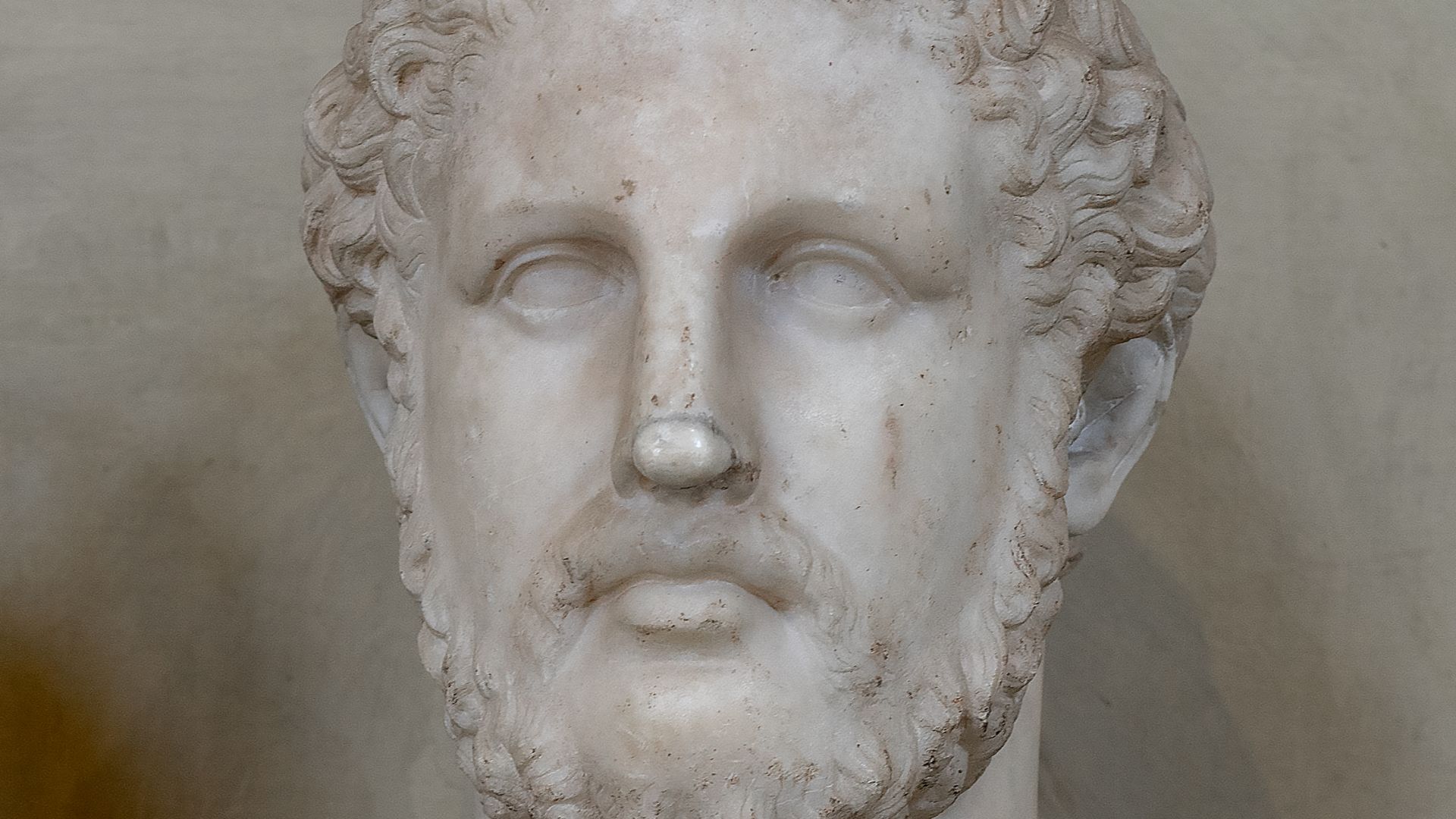
As Philip expanded Macedonian power, he confronted a Greek world in which Sparta was no longer the dominant force it had once been. Nevertheless, the city's reputation and determination made it a politically important opponent. Philip had already demonstrated his willingness to use both diplomacy and military pressure against resistant Greek states, and Sparta's refusal to submit presented another challenge to his authority.
 Fabrizio Garrisi, Wikimedia Commons
The Battle That Changed Everything
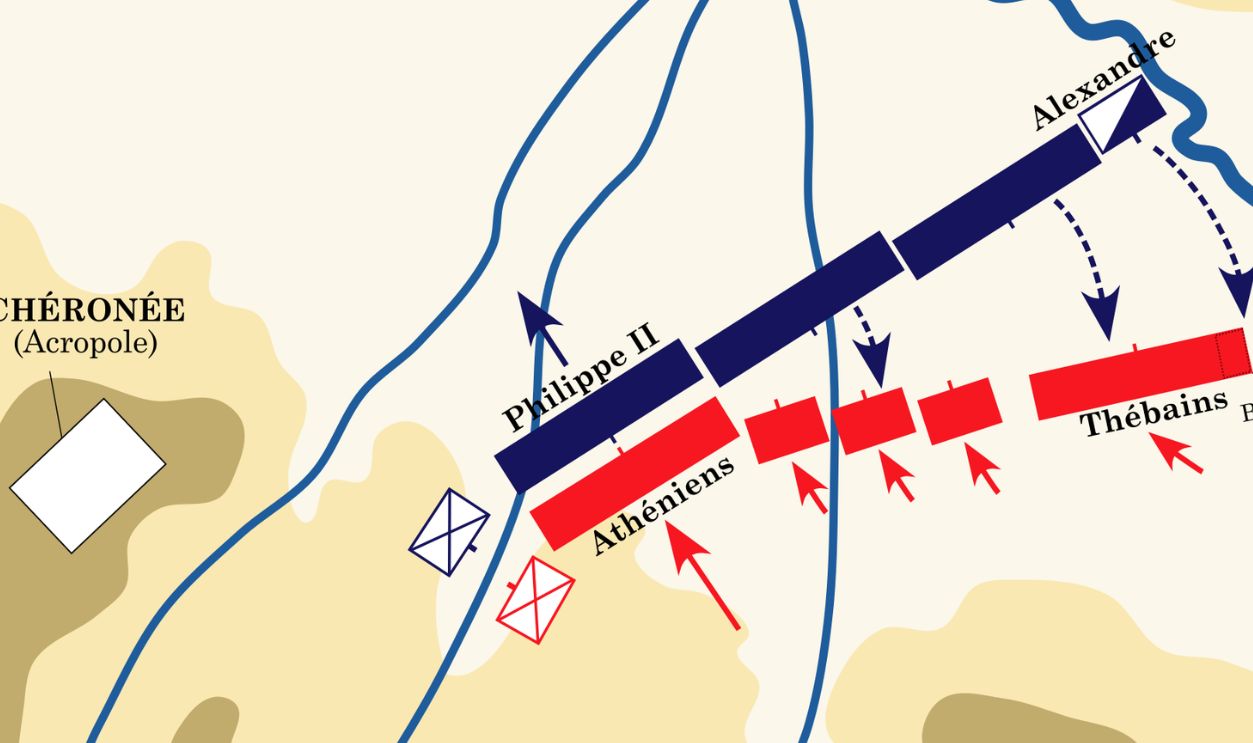
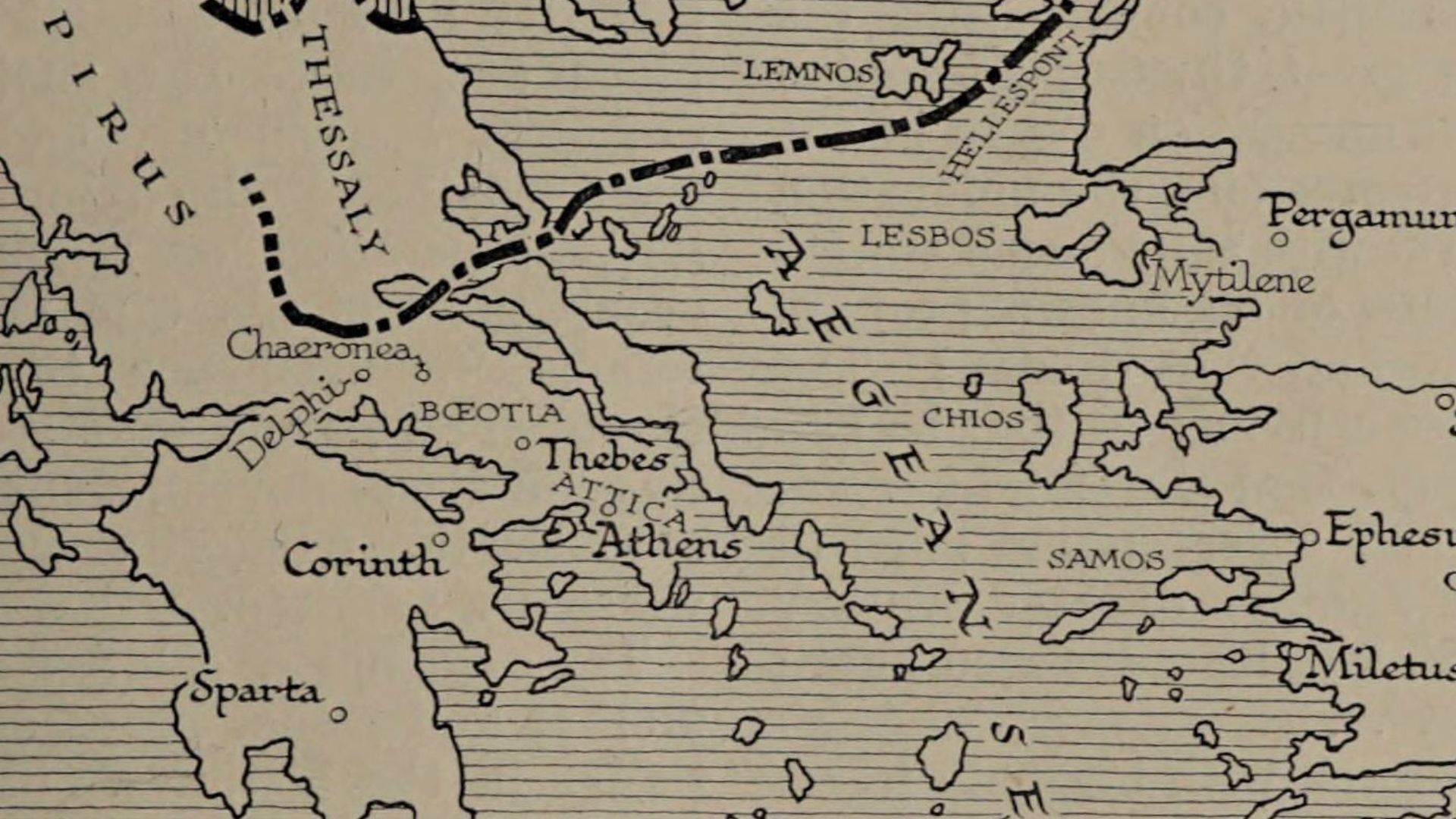
In 338 BC, Philip achieved his most important victory when his army defeated the combined forces of Athens and Thebes at the Battle of Chaeronea. His teenage son Alexander participated in the battle, which effectively ended organized resistance to Macedonian supremacy in much of Greece. The victory established Philip as the most powerful ruler in the Greek world and left the remaining independent states facing an increasingly uncomfortable choice.
 IvanBondarev, Wikimedia Commons
The Spartans Would Not Submit
Following his victory, Philip moved to consolidate Macedonian influence throughout Greece, including the Peloponnese. Sparta remained particularly stubborn, refusing to accept the political arrangements that other Greek states were being drawn into. Its resistance created the setting for one of the most famous exchanges recorded in ancient history.
Philip Delivered His Warning
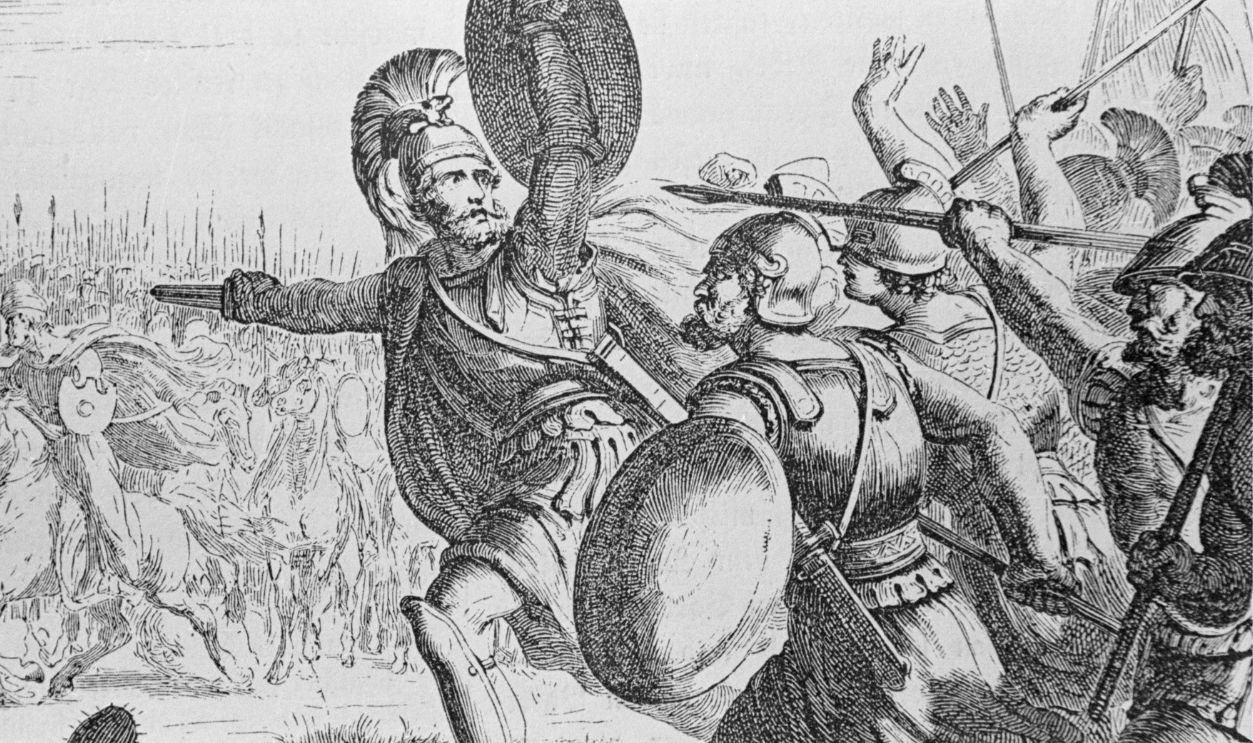
According to Plutarch's On Talkativeness, Philip sent the Spartans a message threatening what would happen if he invaded their territory. The ancient account records his warning as a threat to drive them from Laconia, rather than the elaborate promise to kill everyone and burn everything found in some modern retellings. The wording varies between English translations, but the underlying message was unmistakable: Macedonian military power could be turned directly against Sparta.
The Reply Was Almost Unbelievable
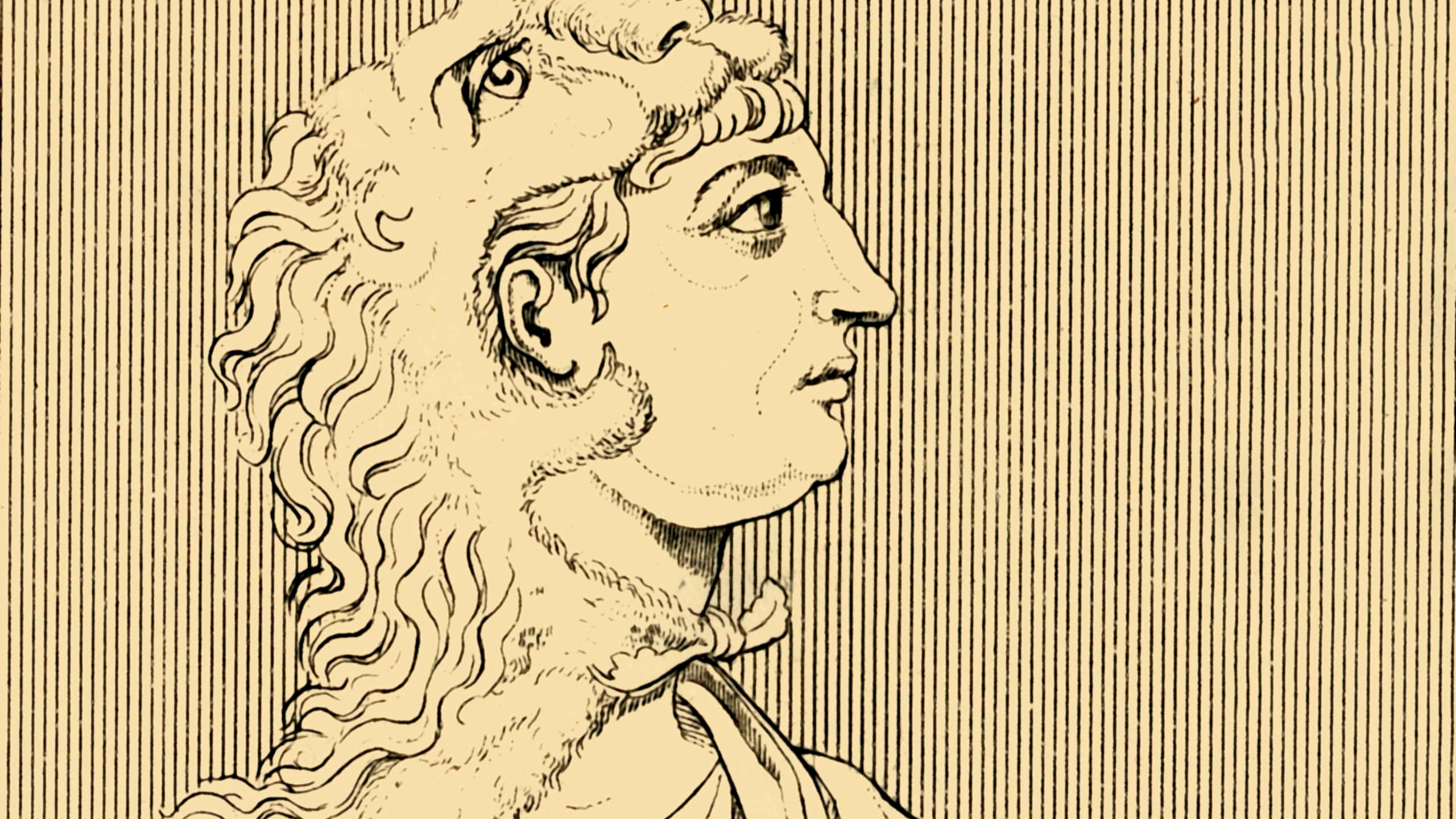
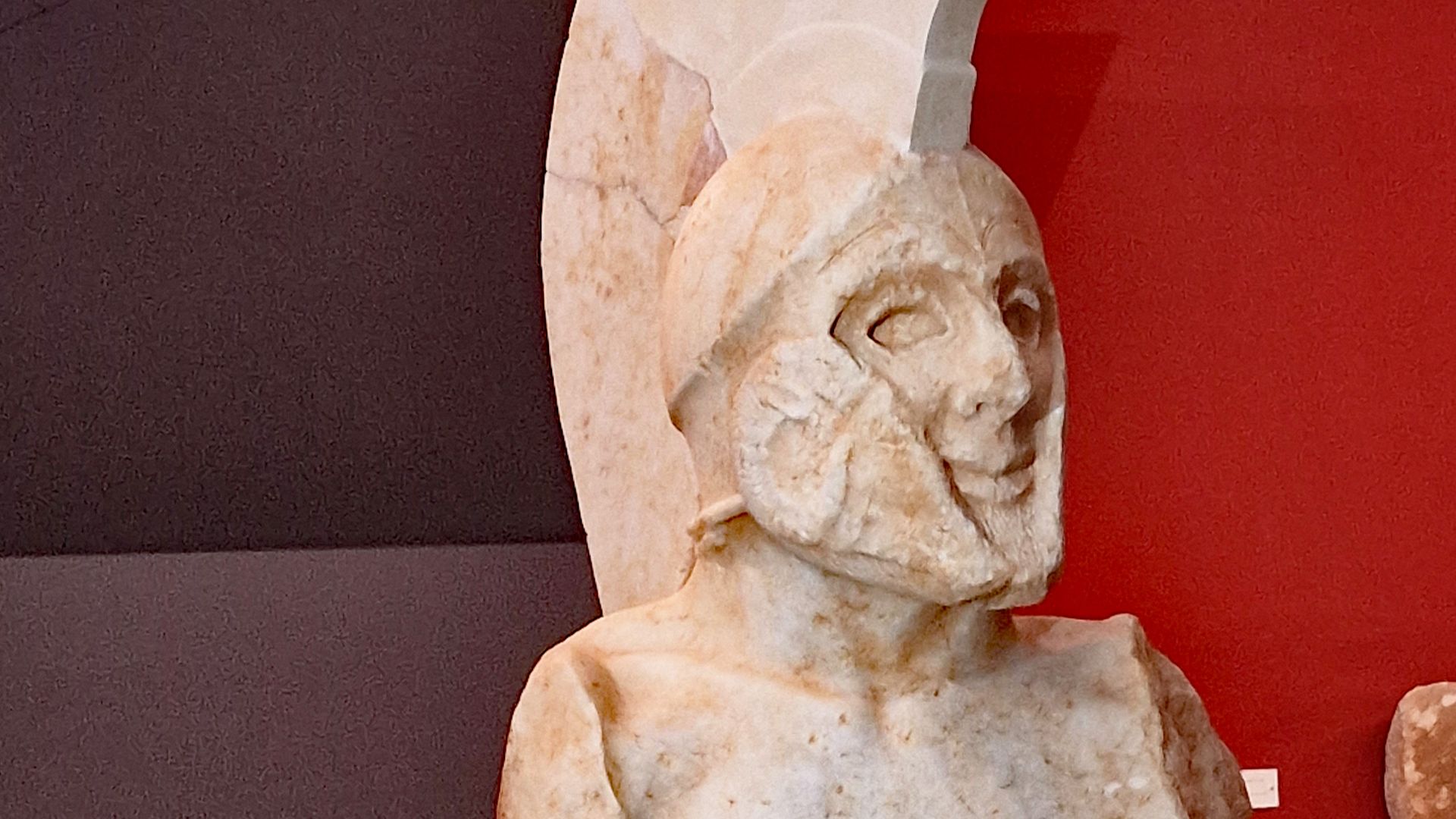
The Spartans responded to Philip's threat with one extraordinary word: "If." There was no lengthy declaration of resistance, no appeal for mercy, and no attempt to negotiate better terms. By repeating the opening condition of Philip's warning, they pointed out that everything he threatened depended on his first successfully invading their homeland.
One Word Changed Everything
The reply was a perfect example of the Spartan tradition of using very few words to communicate a powerful message. Rather than deny Philip's military strength, the Spartans challenged the assumption that his threatened action would necessarily produce the result he wanted. Their answer transformed a terrifying ultimatum into a statement whose outcome remained uncertain.
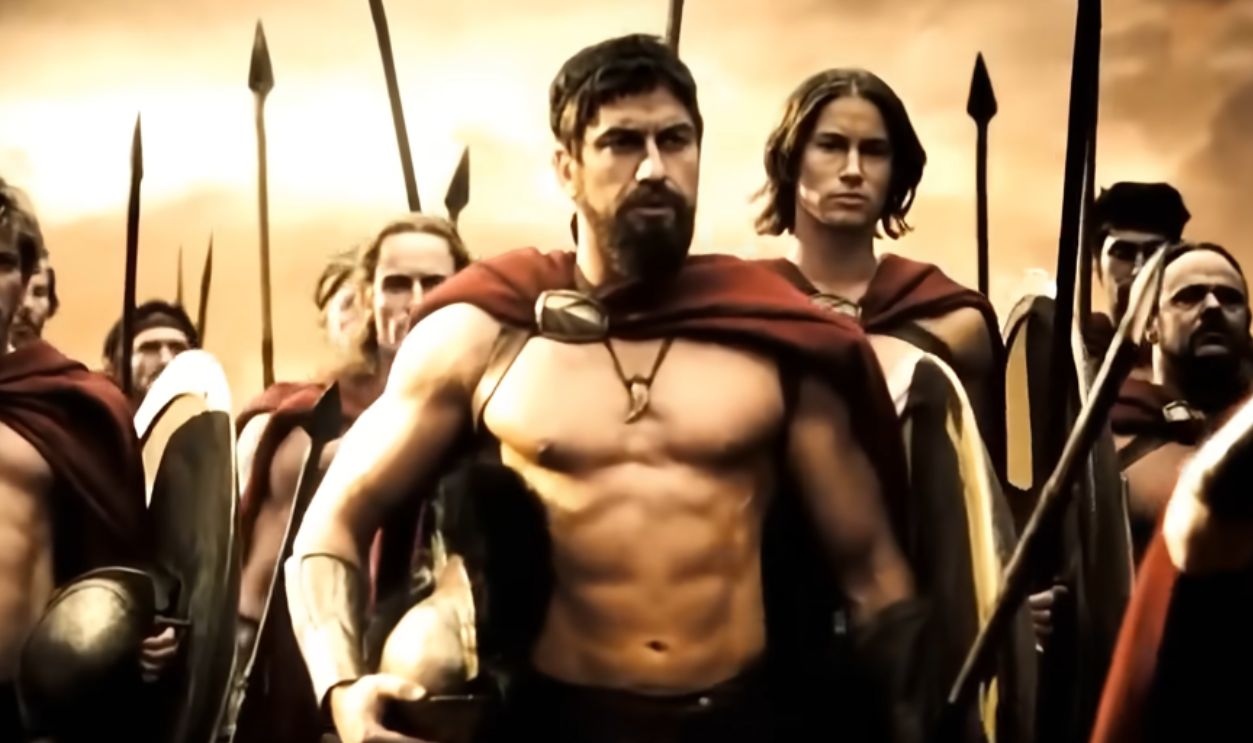 Screenshot from 300, Warner Bros. Pictures (2006)
There Was A Name For This
The Spartans were famous for a distinctive manner of speaking known as laconic speech, a term derived from their homeland of Laconia. Ancient writers frequently praised their ability to communicate complicated ideas through remarkably brief statements. Plutarch considered the practice especially effective and included the exchange with Philip in an essay criticizing excessive talking.
Their Wit Was Already Legendary
Plutarch preserved several other examples of Spartan verbal defiance, including an episode in which Philip asked whether he should enter their territory as a friend or an enemy. According to the story, the Spartans replied, "Neither." In another exchange, when Philip sent written orders, their response amounted to a blunt refusal, illustrating how little patience they supposedly had for instructions from foreign rulers.
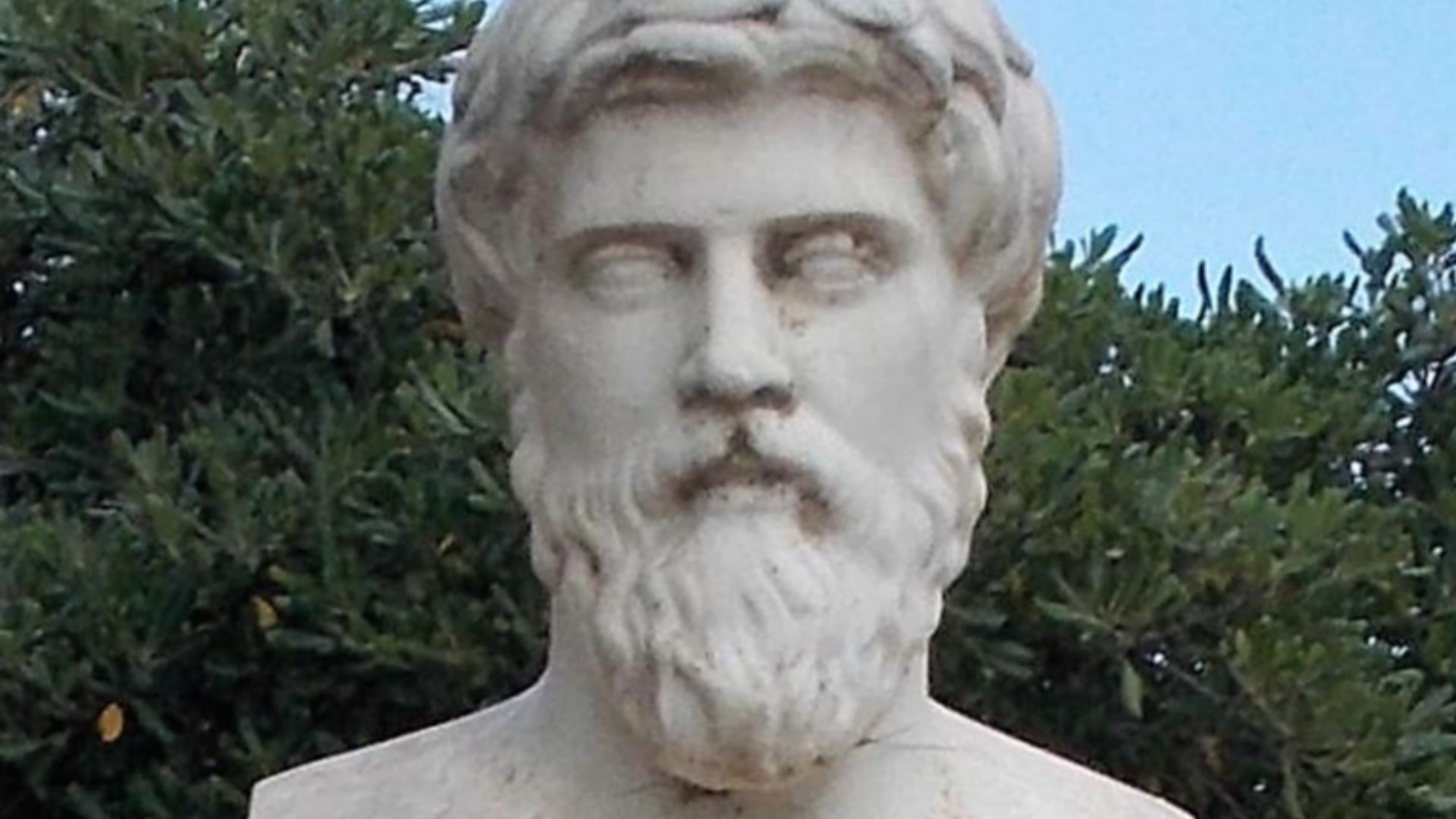 User:Odysses, Wikimedia Commons
Even Their Diplomacy Was Defiant
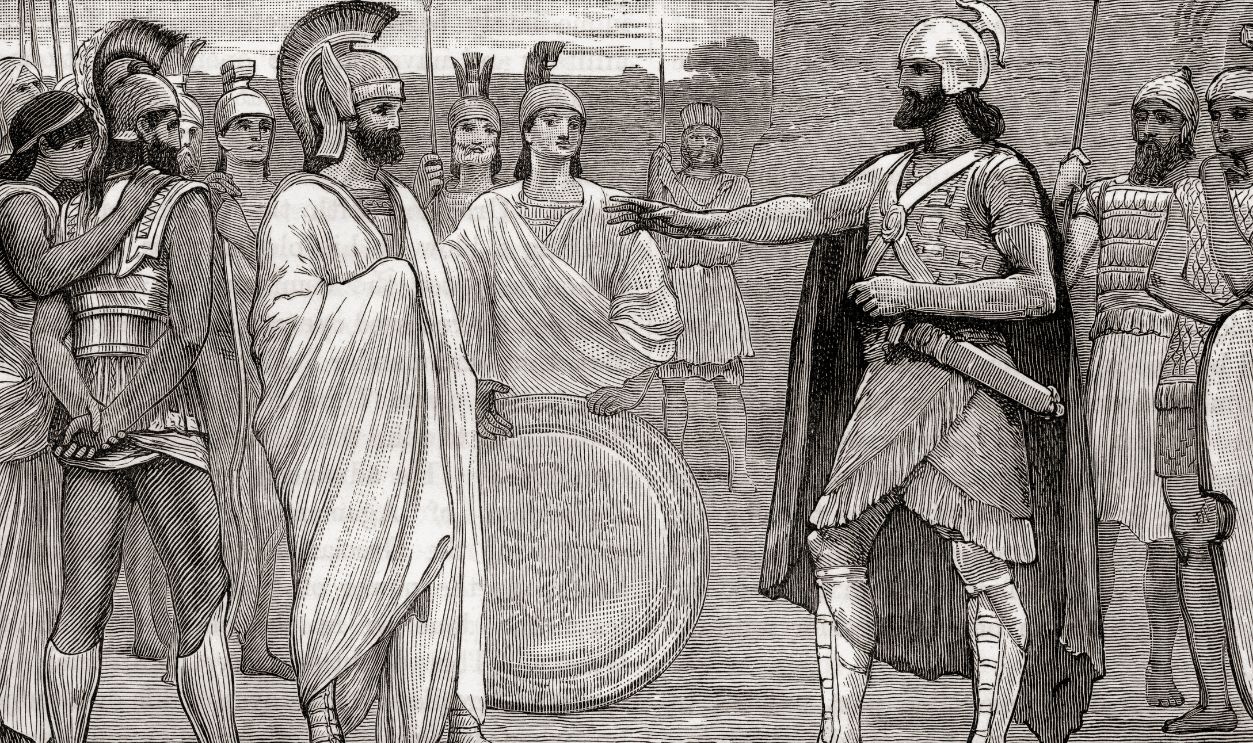
Spartan resistance was not limited to refusing the demands of Macedonia's rulers. Plutarch also recorded a story in which a Spartan challenged Philip's apparent assumption that military danger should frighten his people into submission. The response reflected a recurring ideal in Spartan political culture: death in defense of independence was preferable to accepting foreign domination.
 Design Pics Editorial, Getty Images
But Courage Could Not Change Reality
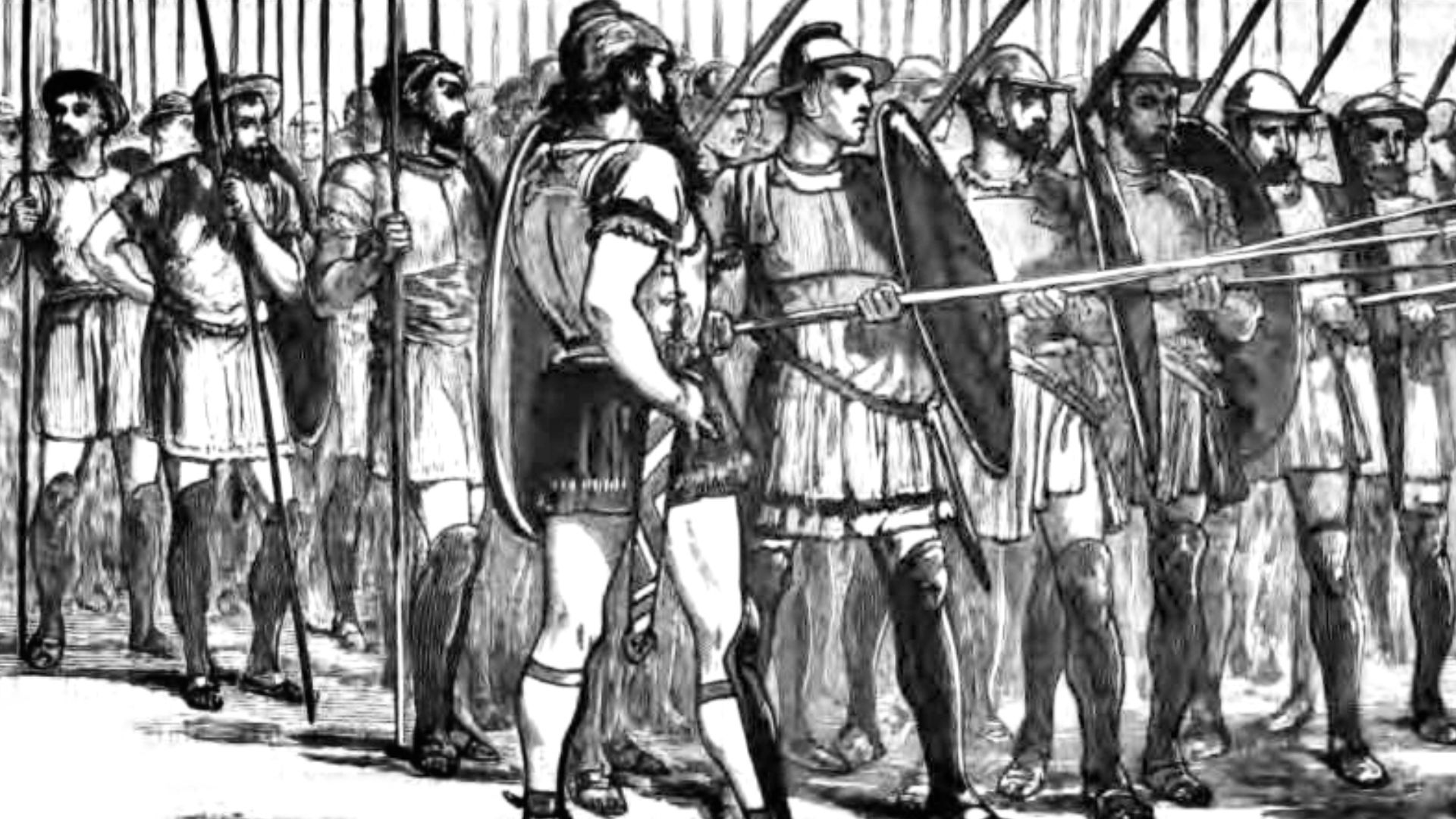
Despite the brilliance of their famous response, Sparta faced an enemy whose strength greatly exceeded its own. Philip's army combined disciplined infantry, effective cavalry, and military techniques that had already defeated formidable Greek opponents. Spartan courage remained formidable, but its diminished citizen population and weakened political position made any major confrontation extremely dangerous.
 Edmund Ollier Publication date 1882, Wikimedia Commons
Philip Did Not Simply Walk Away
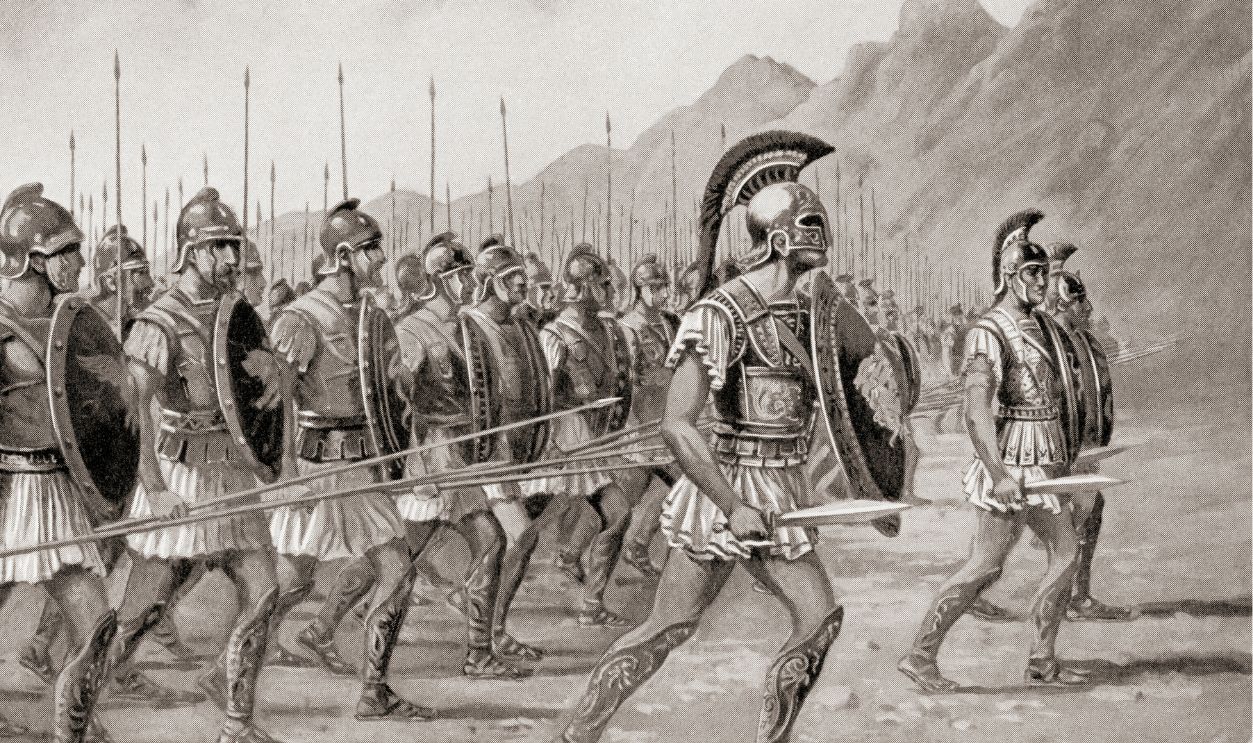
The familiar story sometimes ends with the Spartans' one-word reply, creating the impression that Philip abandoned his plans because their confidence intimidated him. Ancient accounts, however, make clear that Macedonian forces entered Spartan territory and that Philip's pressure on the city was more than an empty threat. Plutarch even preserved an exchange in which Philip confronted a Spartan during an invasion and received another declaration that his people were prepared to die rather than surrender their freedom.
 Universal History Archive, Getty Images
Sparta Survived, But At A Cost
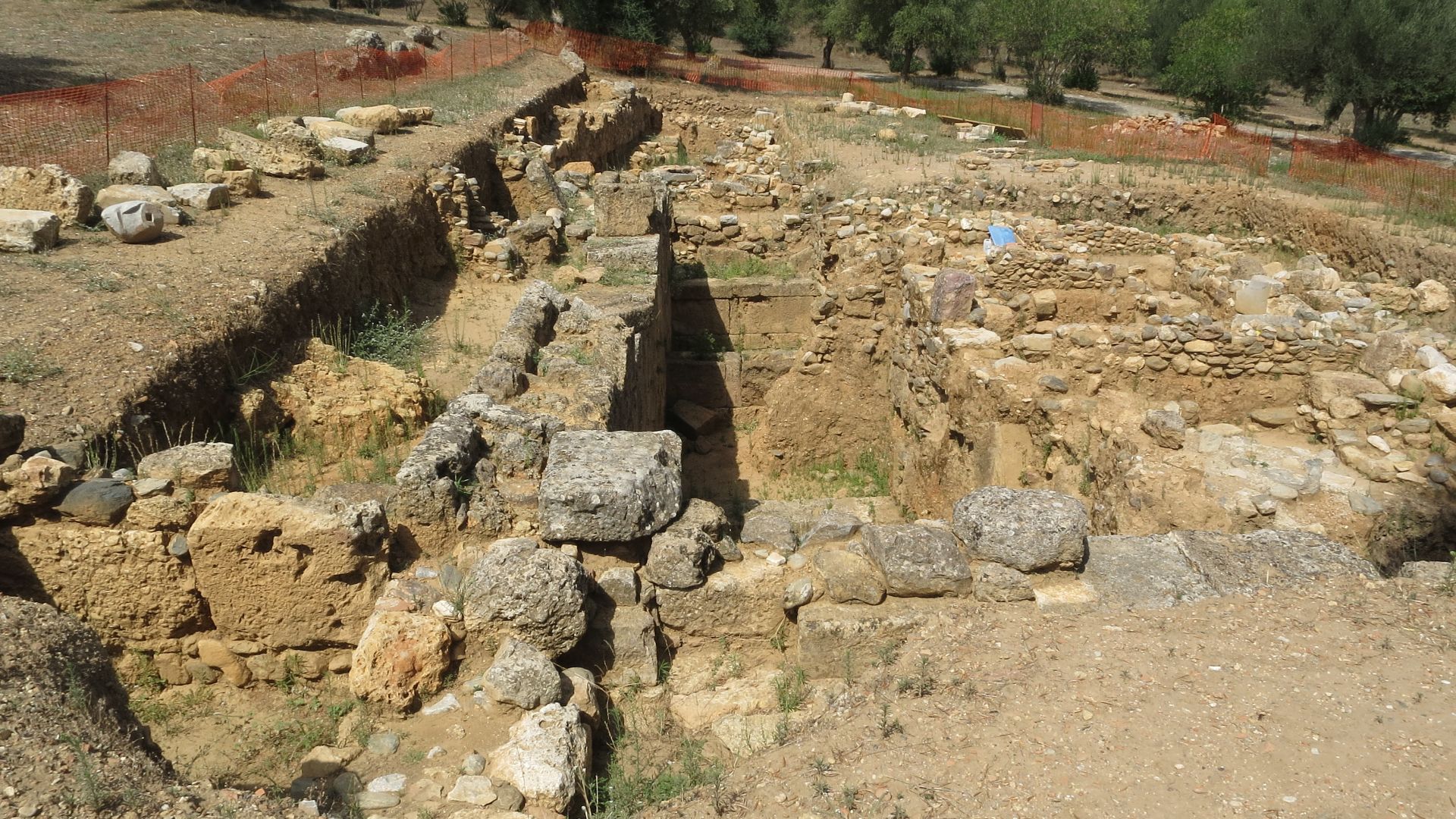
Although Macedonian military intervention damaged Sparta's position, Philip did not destroy the city itself. Sparta continued to exist as an independent political community, even as neighboring states and Macedonian power increasingly constrained its influence. The distinction matters because survival did not mean that the Spartans had successfully preserved their former dominance over the Peloponnese.
 StanTravels, Wikimedia Commons
Philip Created A New Order
In 337 BC, Philip established the League of Corinth, bringing together Greek states under a political and military arrangement dominated by Macedonia. Sparta conspicuously refused to participate, maintaining its opposition even after the Macedonian king had demonstrated his superiority. Philip then turned his attention toward a much larger ambition: organizing a military expedition against the Persian Empire.
 J. F. Horrabin (Illustrator), Wikimedia Commons
The King Never Saw His Greatest Plan
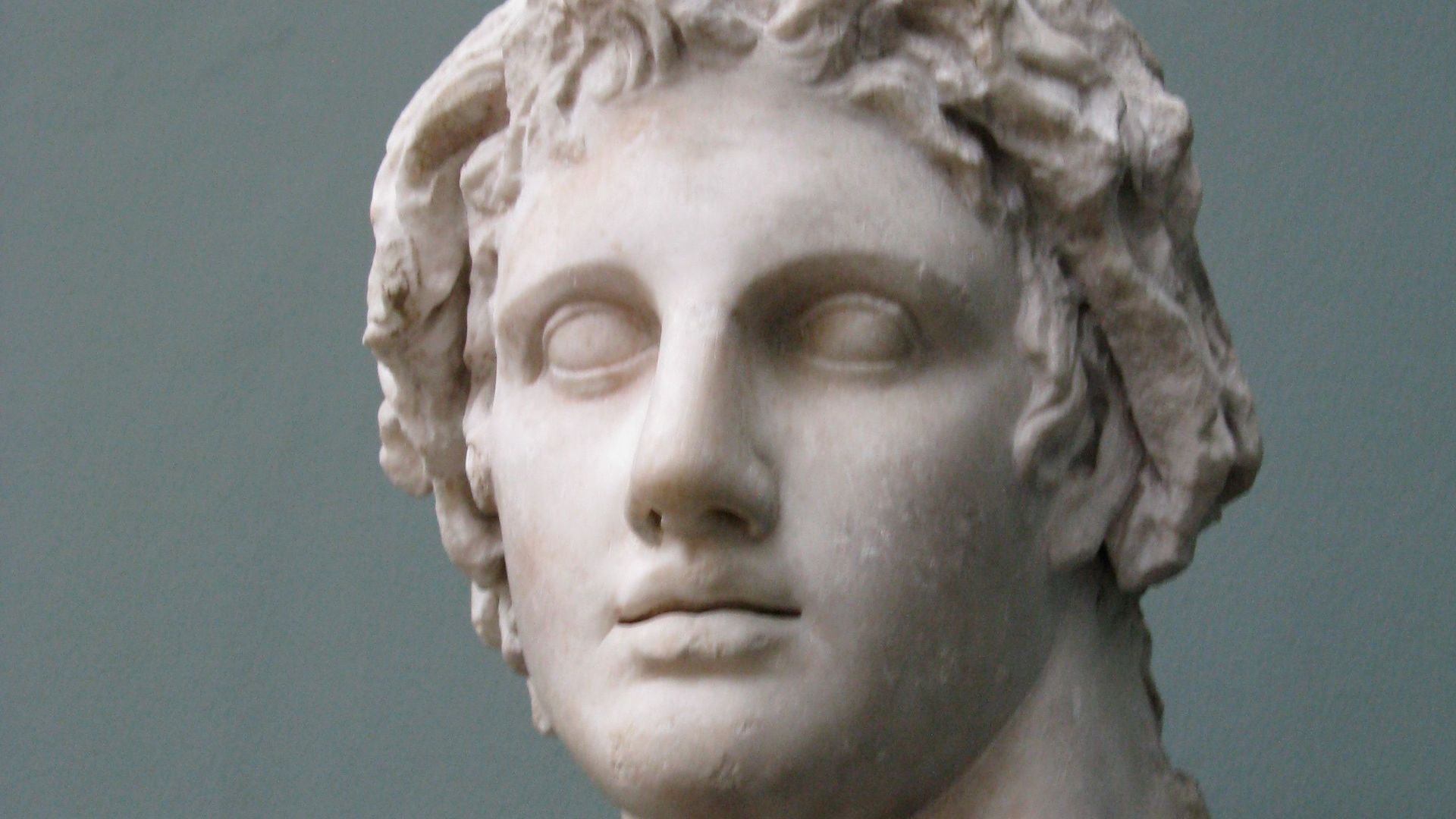
Philip was assassinated in 336 BC before he could personally lead the planned campaign into Persian territory. His death transferred the Macedonian throne to Alexander, who inherited the army, resources, and political influence that his father had assembled. Alexander would go on to conquer the Persian Empire, transforming Macedonia into the center of an enormous new empire.
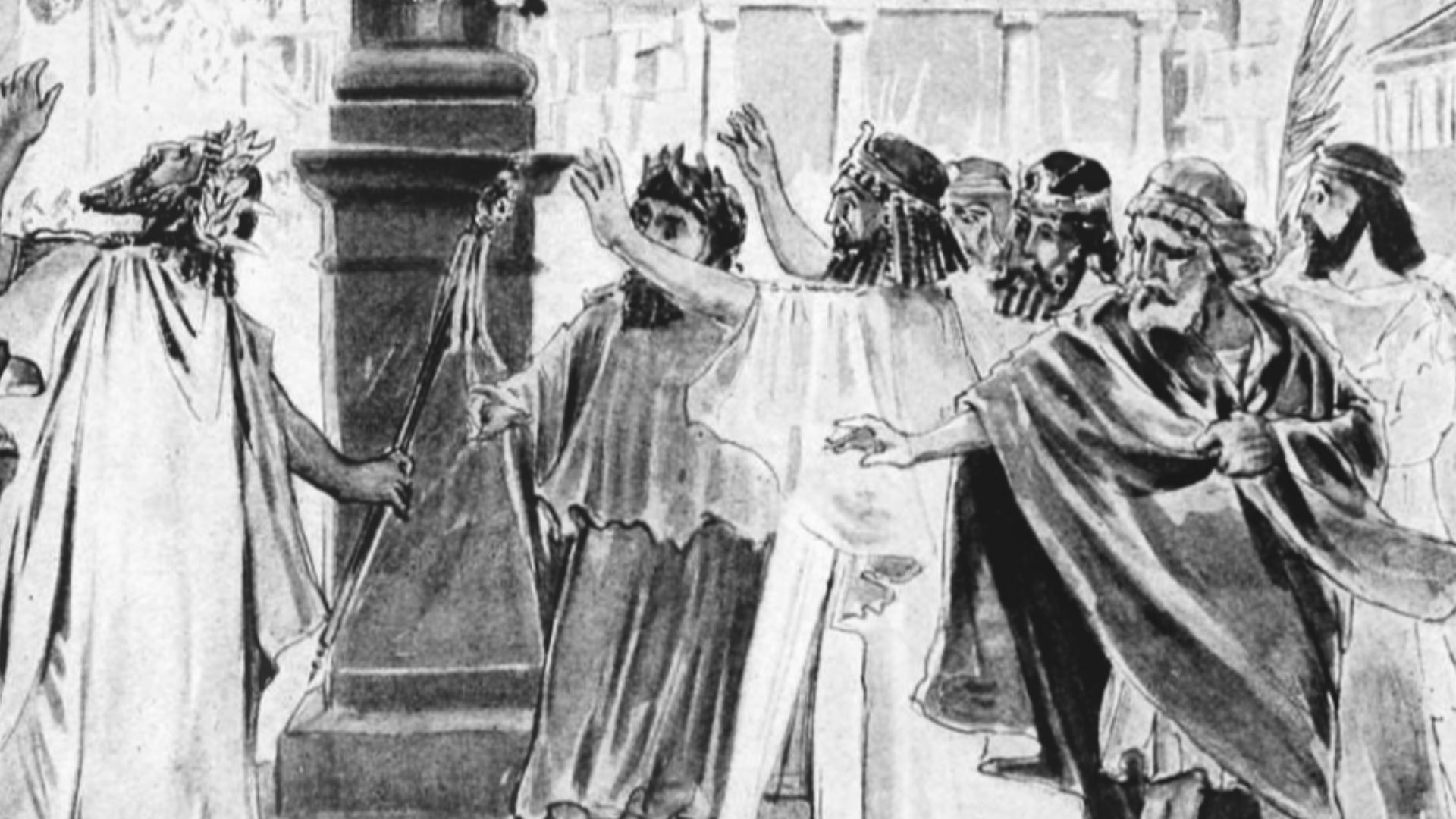
The Spartans Challenged His Son, Too
Sparta's resistance to Macedonian power did not end with Philip's death, and its rulers continued seeking opportunities to restore their independence. During Alexander's campaigns in Asia, the Spartan king Agis III organized an uprising against Macedonian authority. In 331 BC, Macedonian forces commanded by Antipater defeated the rebellion near Megalopolis, and Agis was killed in the fighting.
 Yair Haklai, Wikimedia Commons
A Famous Reply With A Complicated Legacy
The Spartans' response to Philip remains remarkable, but the surviving evidence requires some caution when treating it as a verbatim historical exchange. Plutarch wrote centuries after the events, and his interest in memorable sayings means the precise wording cannot be independently confirmed. Nevertheless, his account preserves a powerful example of the reputation the Spartans developed for courage, brevity, and an almost stubborn refusal to acknowledge threats.
 Pseudo-Plutarchus, Wikimedia Commons
Their Defiance Outlived Their Power
Sparta never fully recovered the supremacy it had enjoyed before its defeat at Leuctra, and the rise of Macedonia confirmed that the balance of power in Greece had permanently changed. Yet the Spartans' reputation for discipline and fearless resistance continued to fascinate writers long after their political influence had faded. Philip II built the military power that made Alexander's conquests possible, but the reply attributed to his Spartan opponents remains one of the most memorable expressions of defiance in ancient history.
 George E. Koronaios, Wikimedia Commons
You May Also Like:
The Toughest Warriors In History
Famous Historical Figures Who Probably Weren't Real