
The King Who Couldn't Be Killed
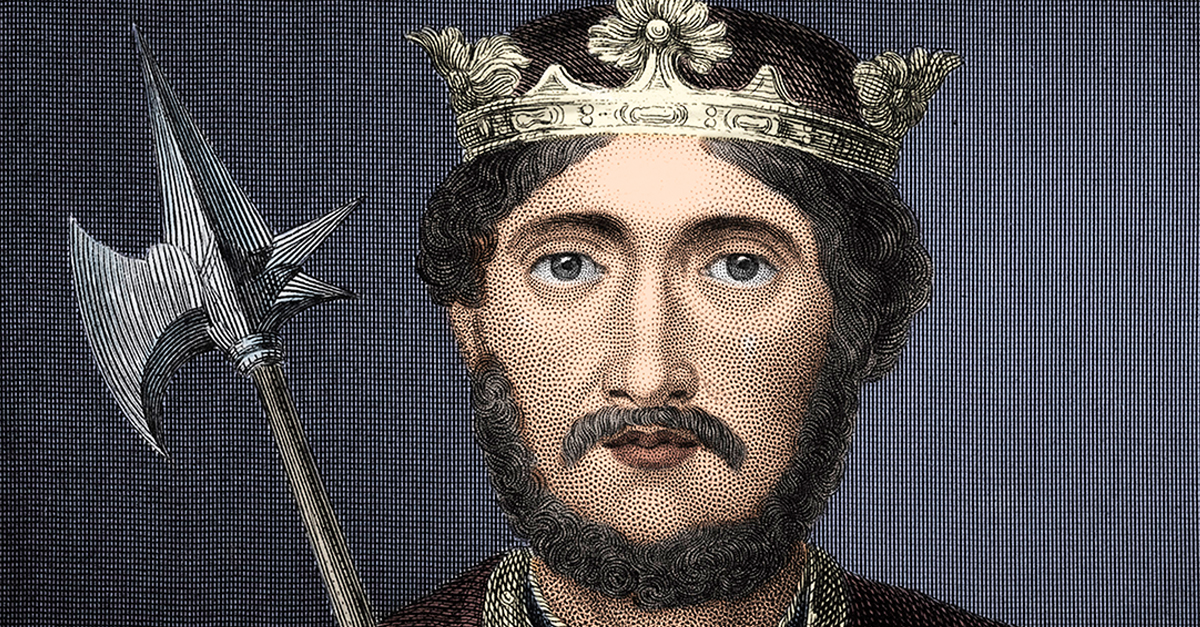
Richard the Lionheart had survived crusades, brutal sieges, imprisonment, and years of warfare against some of Europe's most powerful rulers. By 1199, the English king had earned a reputation as one of the most formidable warriors of his age. Yet his remarkable military career would end because of a single crossbow bolt fired from the walls of an obscure French castle. What happened afterward would become one of the most extraordinary stories of forgiveness in medieval history.
A Warrior Born Into Royalty
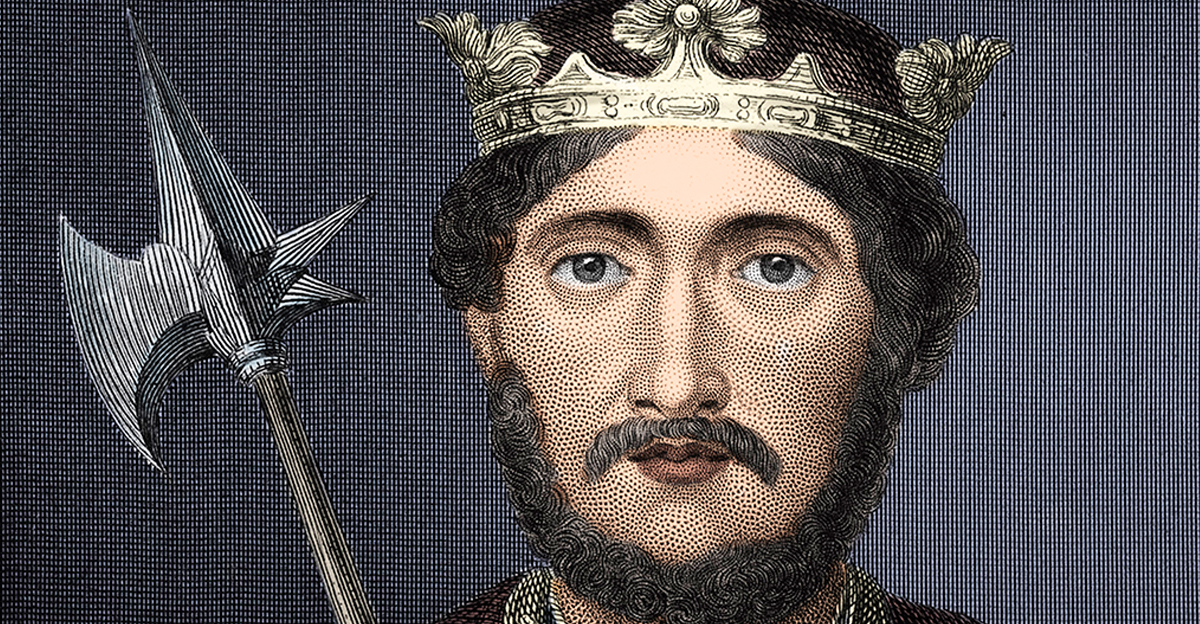
Richard was born in 1157, the son of King Henry II of England and Eleanor of Aquitaine. His parents controlled extensive territories in England and France, making their family one of the most powerful dynasties in Europe. Richard grew up in a world where royal authority depended heavily on warfare, shifting alliances, and the ability to command armies. Long before becoming king, he had already established himself as an experienced military leader.
A Family At War
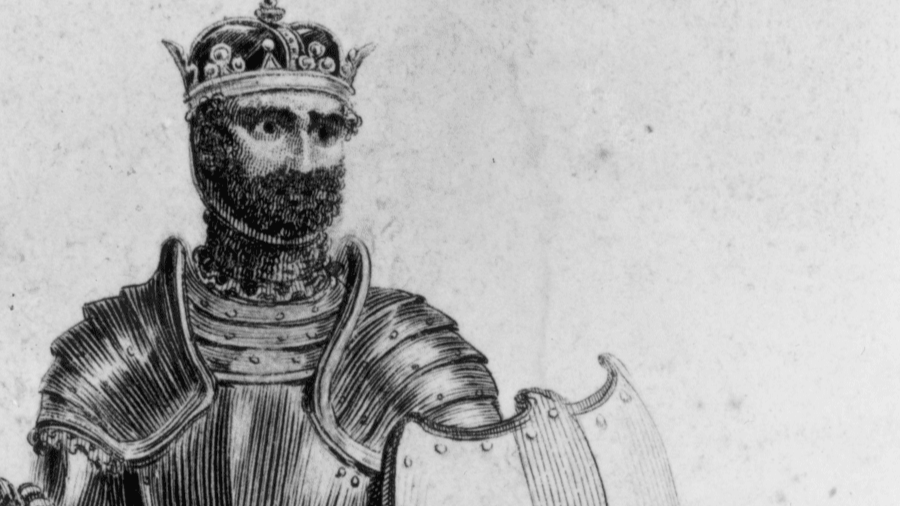
Richard's greatest enemies were not always foreign rulers, and his relationship with his father was particularly turbulent. In 1173, Richard joined his brothers in a rebellion against Henry II, contributing to a bitter conflict within the royal family. The struggle for power continued for years, with Richard eventually joining forces with the French king Philip II against his father. When Henry died in 1189, Richard inherited a kingdom and a sprawling collection of continental territories.
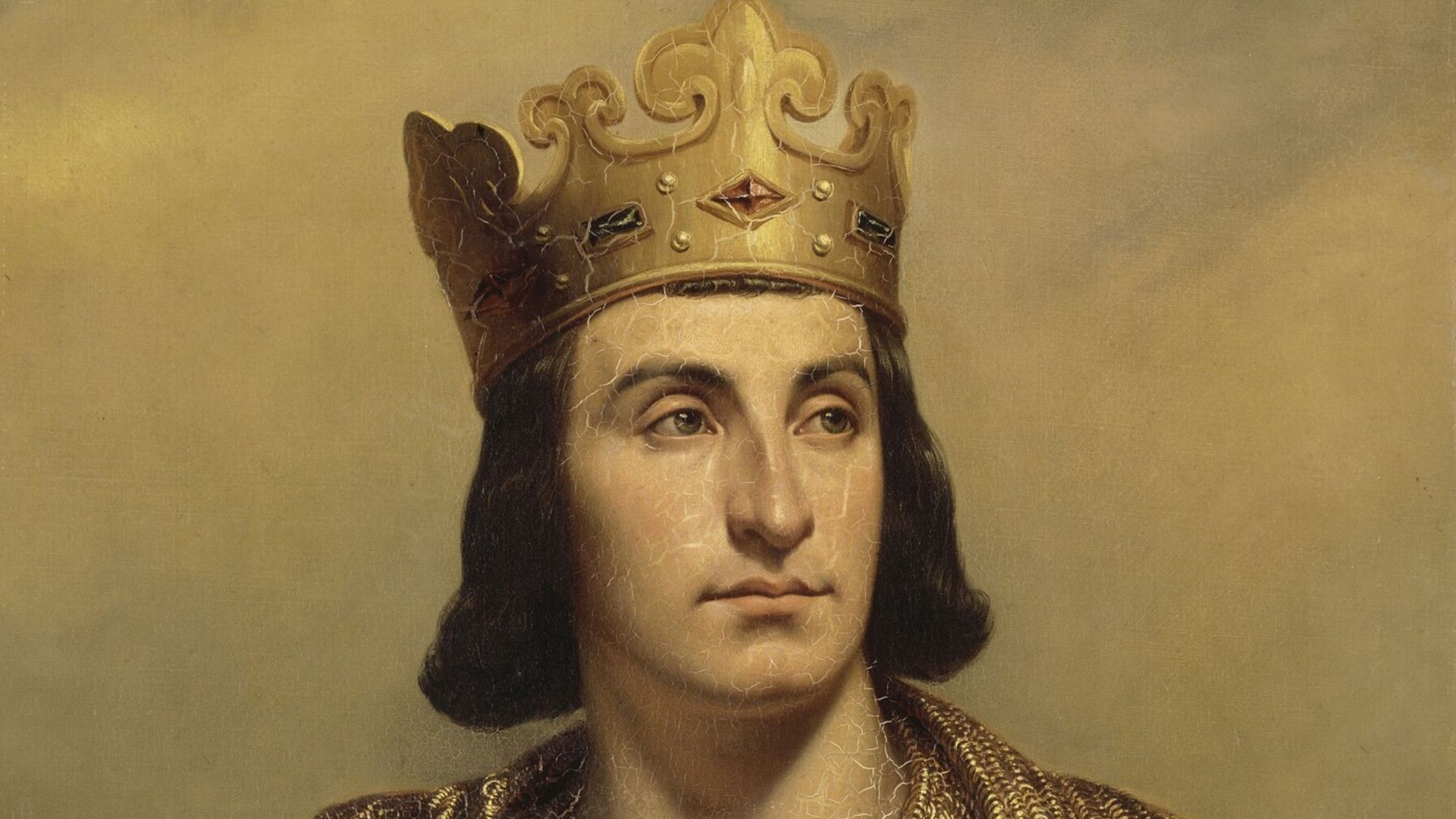 Louis-Félix Amiel, Wikimedia Commons
The Lionheart Takes The Throne
Richard became king of England in September 1189, but his ambitions extended far beyond the English Channel. He was already preparing to participate in the Third Crusade, a major Christian military expedition intended to recover Jerusalem following its capture by Saladin in 1187. Richard committed considerable resources to organizing his expedition, demonstrating how seriously he regarded the campaign. His reign would become famous for military adventures rather than domestic government.
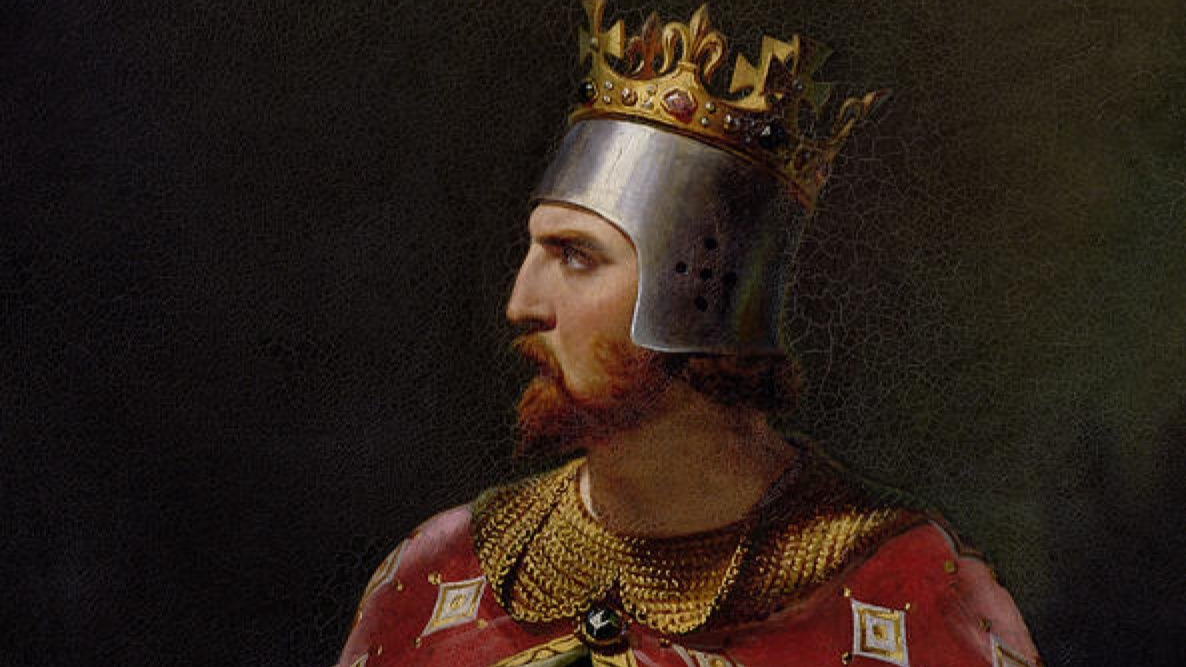 Merry-Joseph Blondel, Wikimedia Commons
A Crusade That Made Him Legendary
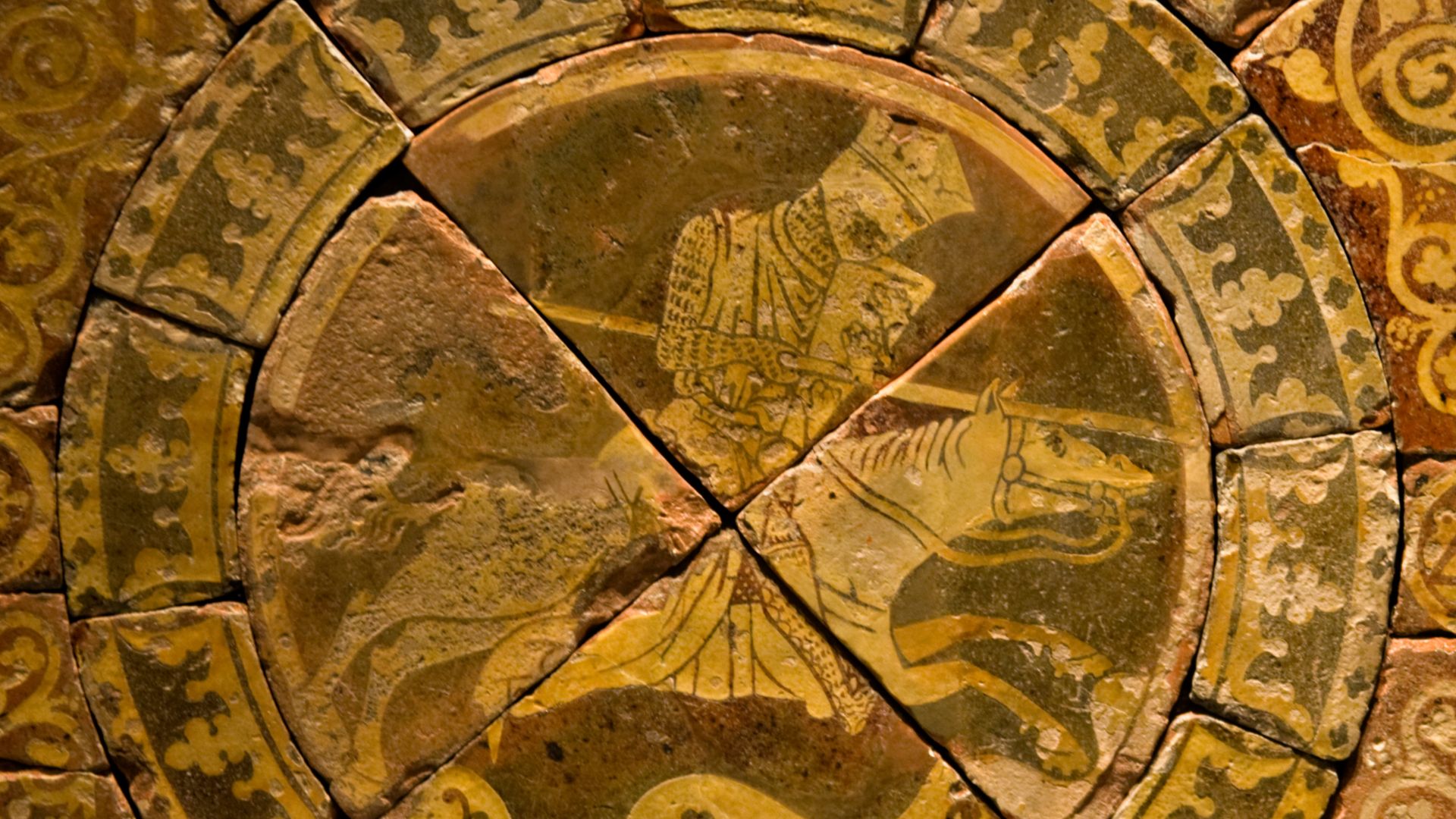
Richard emerged as one of the principal commanders of the Third Crusade, fighting alongside other European forces in the eastern Mediterranean. His army helped capture Acre in 1191, a major victory that strengthened the crusaders' position. Later that year, he defeated Saladin's forces at the Battle of Arsuf, reinforcing his reputation as an exceptional battlefield commander. Although he never recaptured Jerusalem, his military achievements helped establish the legend of Richard the Lionheart.
Victory Came At A Terrible Price
The Third Crusade demonstrated Richard's military abilities, but it also revealed the enormous human cost of his campaigns. Following the capture of Acre, Richard ordered the execution of thousands of Muslim prisoners after negotiations over their release broke down. The killings remain among the most notorious episodes of his crusading career and complicate the romantic image of the chivalrous king. Richard could demonstrate remarkable courage and political calculation, but his enemies also experienced his ruthlessness.
 James William Glass, Wikimedia Commons
His Journey Home Became A Nightmare
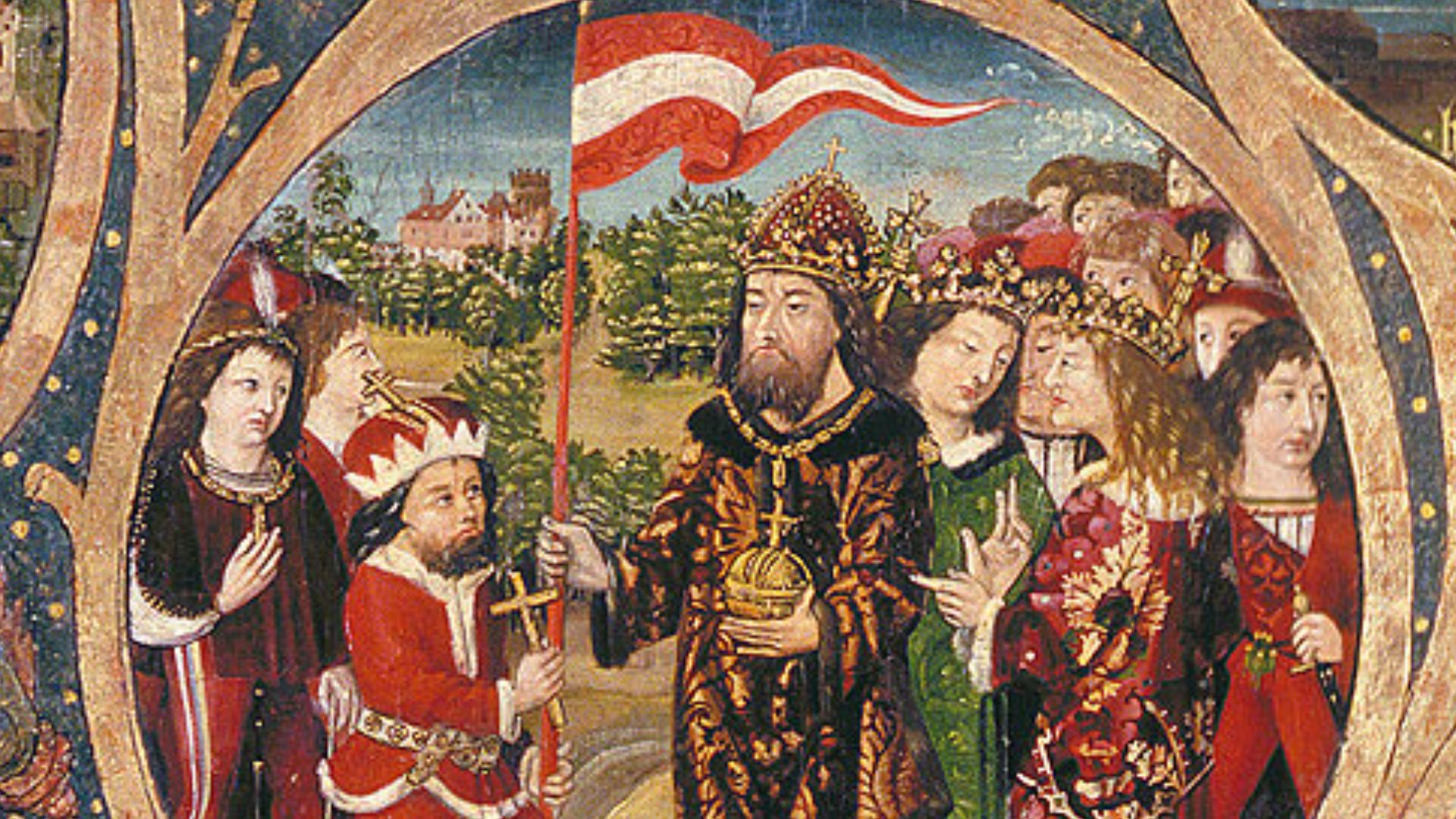
Richard finally departed the Holy Land in 1192, leaving behind an uneasy settlement with Saladin. His journey home became dangerous when he attempted to travel through territories controlled by rulers who resented his actions during the crusade. Leopold V, Duke of Austria, captured Richard near Vienna in December 1192. The celebrated warrior who had commanded armies against Saladin suddenly found himself a prisoner.
England Paid A King's Ransom
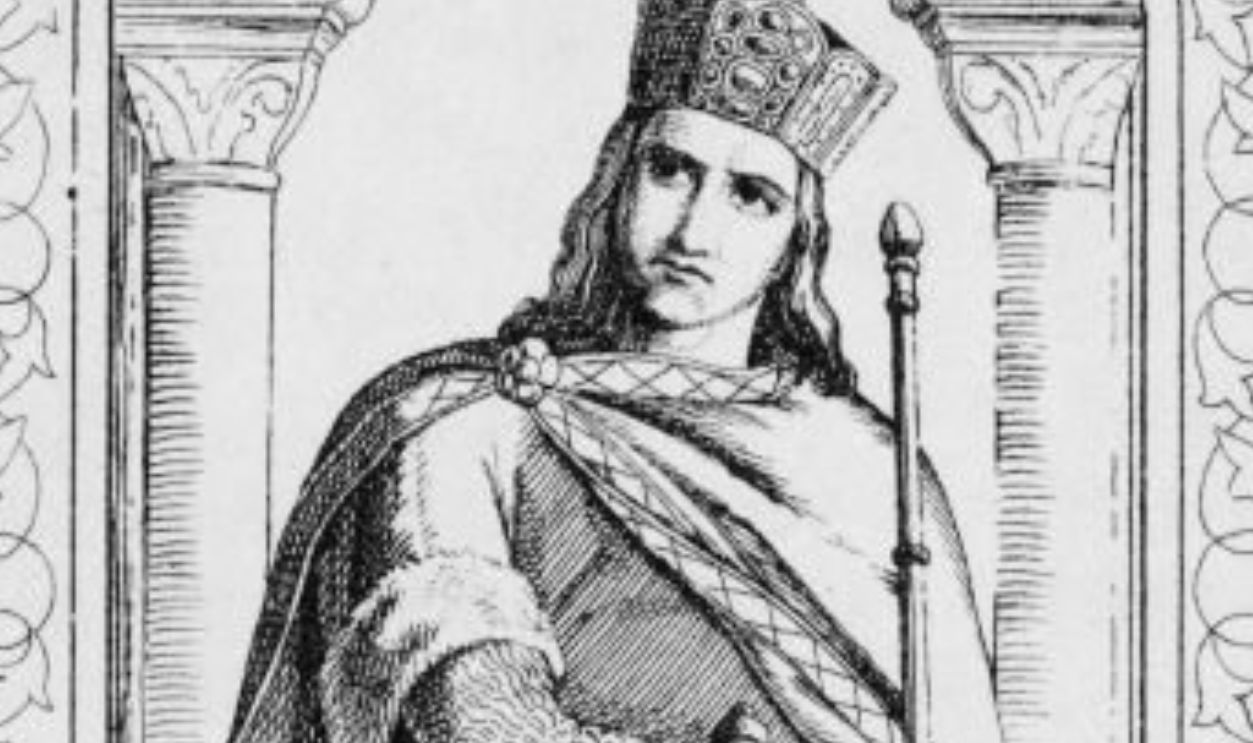
Richard eventually passed into the custody of Holy Roman Emperor Henry VI, who demanded an enormous ransom for his release. The price was set at 150,000 marks, placing extraordinary financial pressure on Richard's territories and subjects. His mother, Eleanor of Aquitaine, played a central role in securing the money needed to recover her son. Richard finally regained his freedom in February 1194, but he returned to find that his political position had weakened.
His Greatest Rival Had Been Busy
While Richard was imprisoned, Philip II of France had taken advantage of his absence to attack his continental possessions. Richard's younger brother John had also challenged his authority, creating additional problems for the returning king. Rather than settling into a peaceful reign in England, Richard concentrated on rebuilding his military position in France. The following years were dominated by campaigns, fortifications, and an increasingly bitter struggle with Philip.
A King Who Preferred The Battlefield
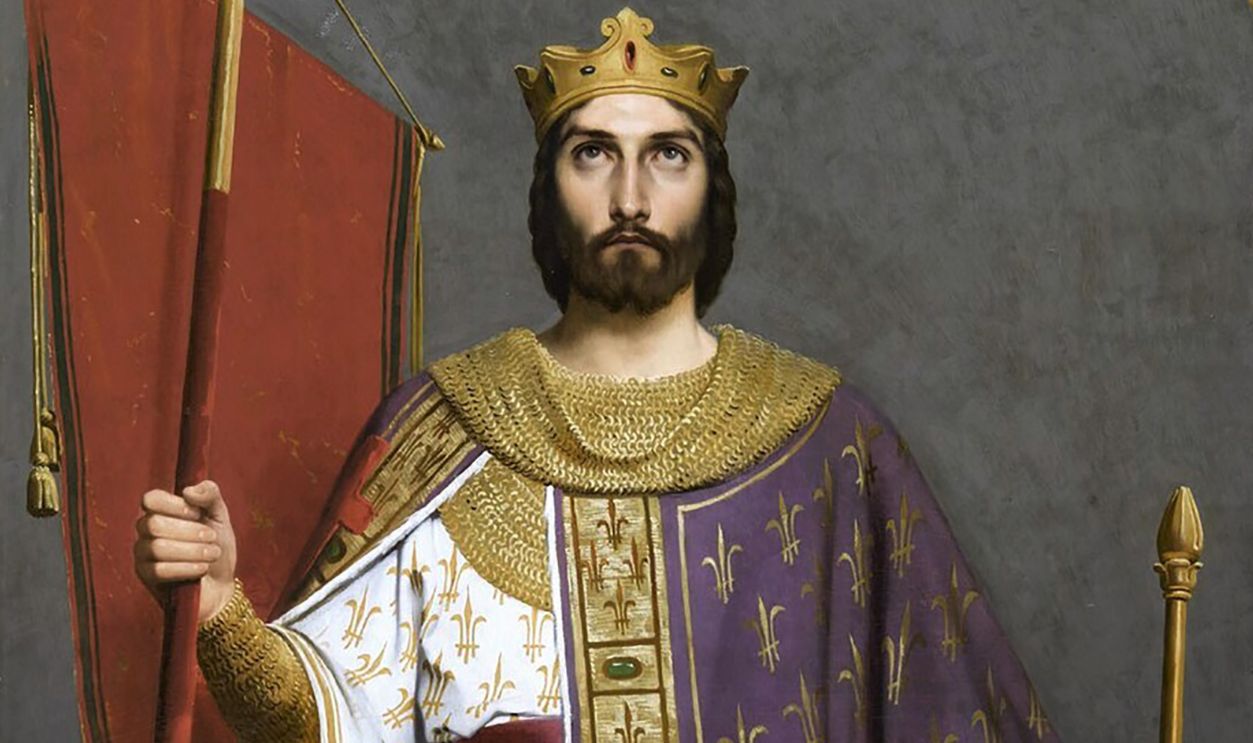
Richard spent remarkably little of his ten-year reign in England, devoting much of his attention to crusading and defending his family's continental lands. One of his most impressive projects was Château Gaillard, a powerful fortress constructed in Normandy to strengthen his defenses against Philip II. The castle reflected Richard's strategic thinking and his determination to resist French expansion. By the beginning of 1199, he appeared to have regained much of the momentum he had lost during captivity.
A Peace That Wouldn't Last
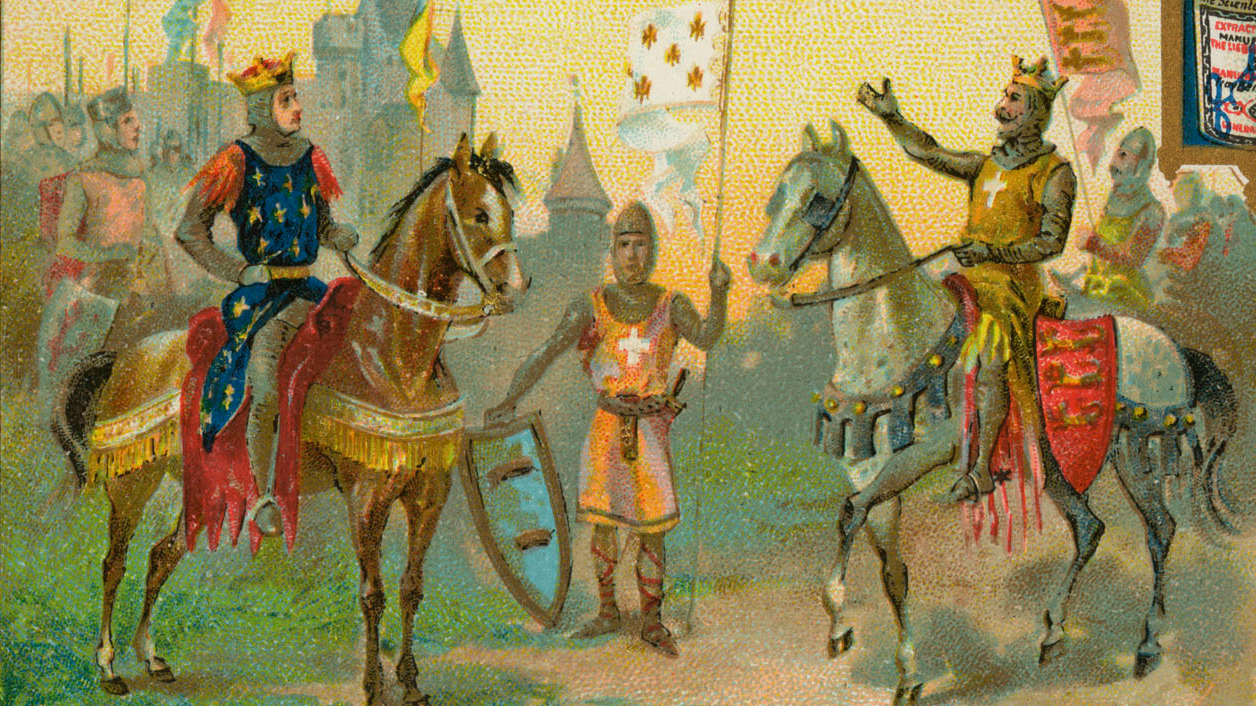
In January 1199, Richard and Philip agreed to a five-year truce after years of intermittent fighting. The agreement offered the possibility of a temporary pause in their struggle, although their rivalry remained unresolved. Richard soon turned his attention southward, where trouble had developed within his territories in the Limousin region of France. It was there, far from the famous battlefields of the crusades, that his final campaign began.
An Unremarkable Castle With A Deadly Secret
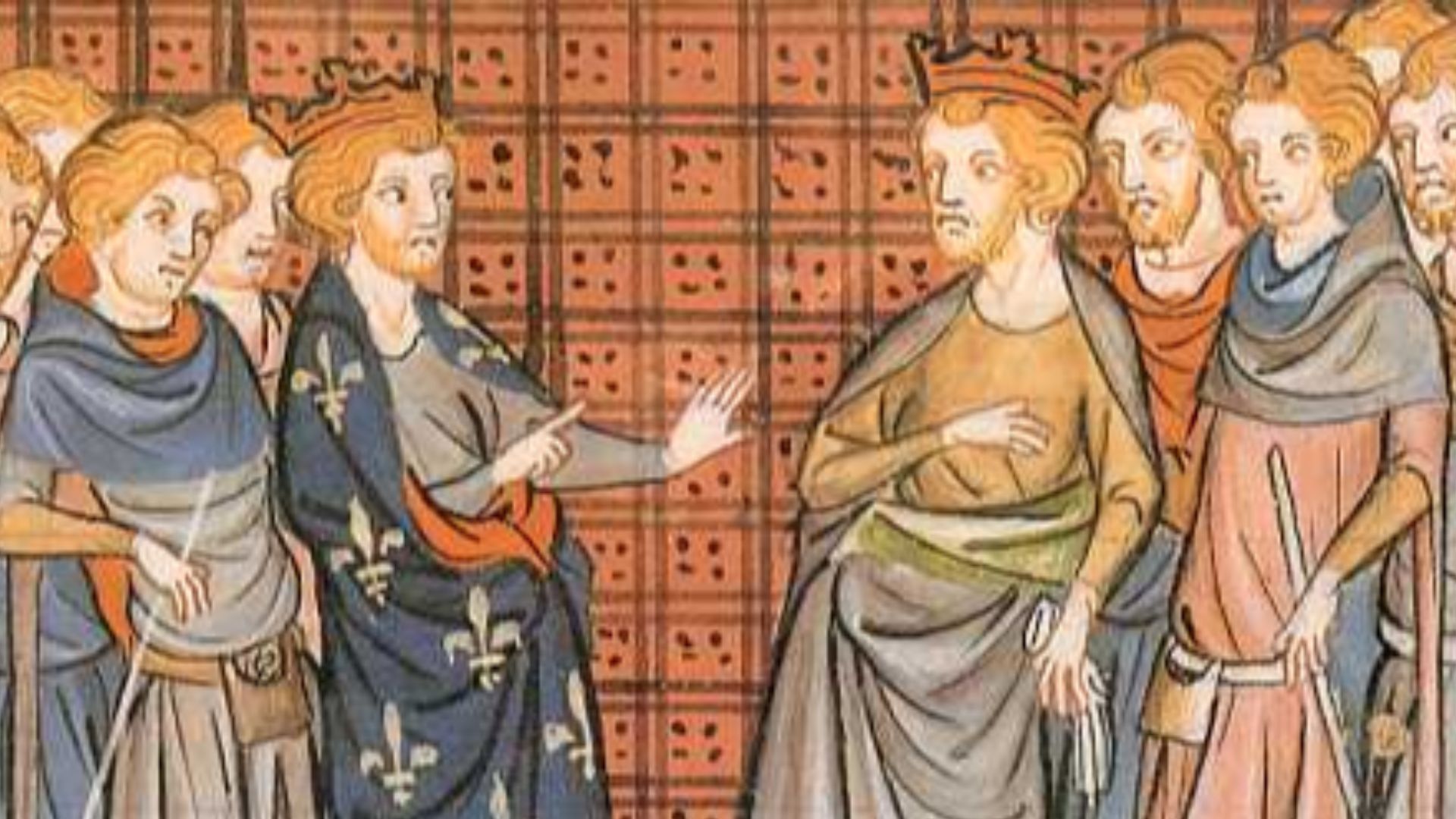
Richard marched against the small fortress of Châlus-Chabrol, which was associated with the rebellious Viscount of Limoges. Compared with the major fortifications he had assaulted during his military career, Châlus was a relatively modest target. Nevertheless, Richard personally participated in the operation to bring the castle under his control. The decision would expose him to a danger that even his years of military experience could not prevent.
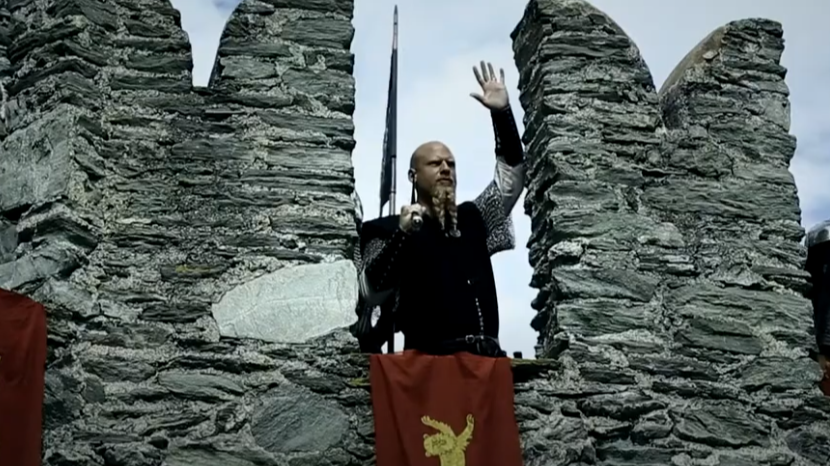 Screenshot from Richard the Lionheart: Rebellion, Claang Entertainment (2015)
The Mysterious Treasure That May Never Have Existed
Some medieval chroniclers claimed that Richard attacked Châlus because an extraordinary treasure had been discovered nearby. According to versions of the story, valuable gold or other ancient objects had been unearthed, prompting a dispute over who possessed them. Historians have questioned this explanation because a knowledgeable local chronicler, Bernard Itier, did not mention any treasure when describing the events. The more credible political context was Richard's campaign to suppress rebellion and reinforce his authority in the region.
A Fatal Moment Of Overconfidence
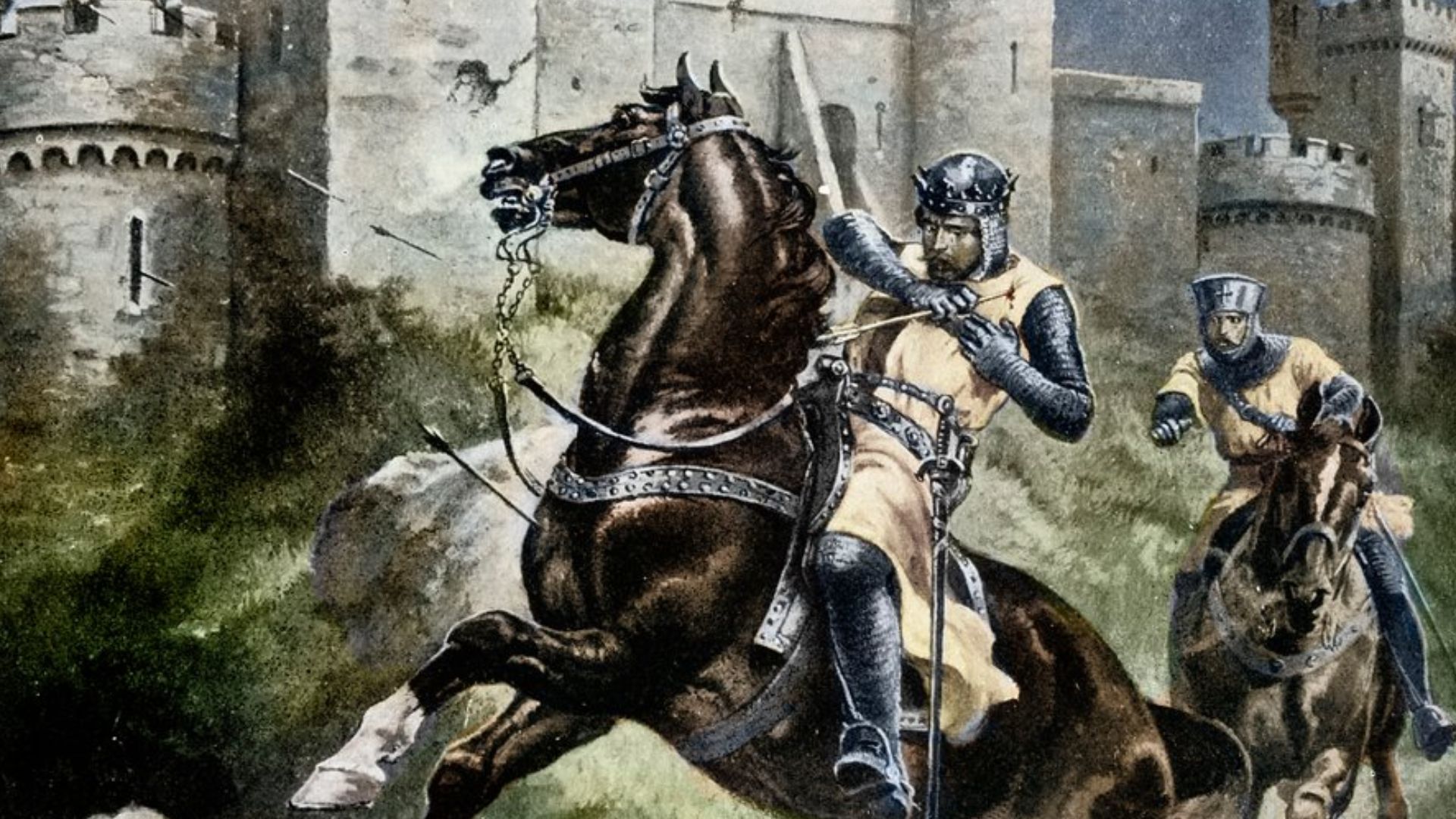
On March 26, 1199, Richard was inspecting the defenses of Châlus-Chabrol while the siege was underway. He exposed himself to the defenders' weapons, reportedly without wearing the chain-mail protection that might have reduced his vulnerability. Somewhere on the castle walls, a defender armed with a crossbow found an opportunity to strike. The weapon he fired would accomplish what years of fighting against experienced armies had failed to do.
 Henry Payne, Wikimedia Commons
One Bolt Changed Everything
A crossbow bolt struck Richard near his left shoulder, close to the neck, inflicting a serious wound. The king survived the initial impact, and the injury did not immediately end his ability to direct events around him. However, the bolt had penetrated a particularly vulnerable part of his body, creating a dangerous medical emergency. For a man who had survived so many battles, the consequences of this single shot would prove devastating.
 Screenshot from Richard the Lionheart: Rebellion, Claang Entertainment (2015)
The Wound Turned Deadly
Richard received medical treatment, but the wound became infected and progressively deteriorated. Medieval accounts describe difficulties associated with removing the crossbow bolt, although the exact medical procedures cannot be reconstructed with certainty. Gangrene developed, and modern researchers have identified gangrene or septicemia as the probable cause of his death. The king who had commanded armies across Europe and the Holy Land was now losing a battle against an infection.
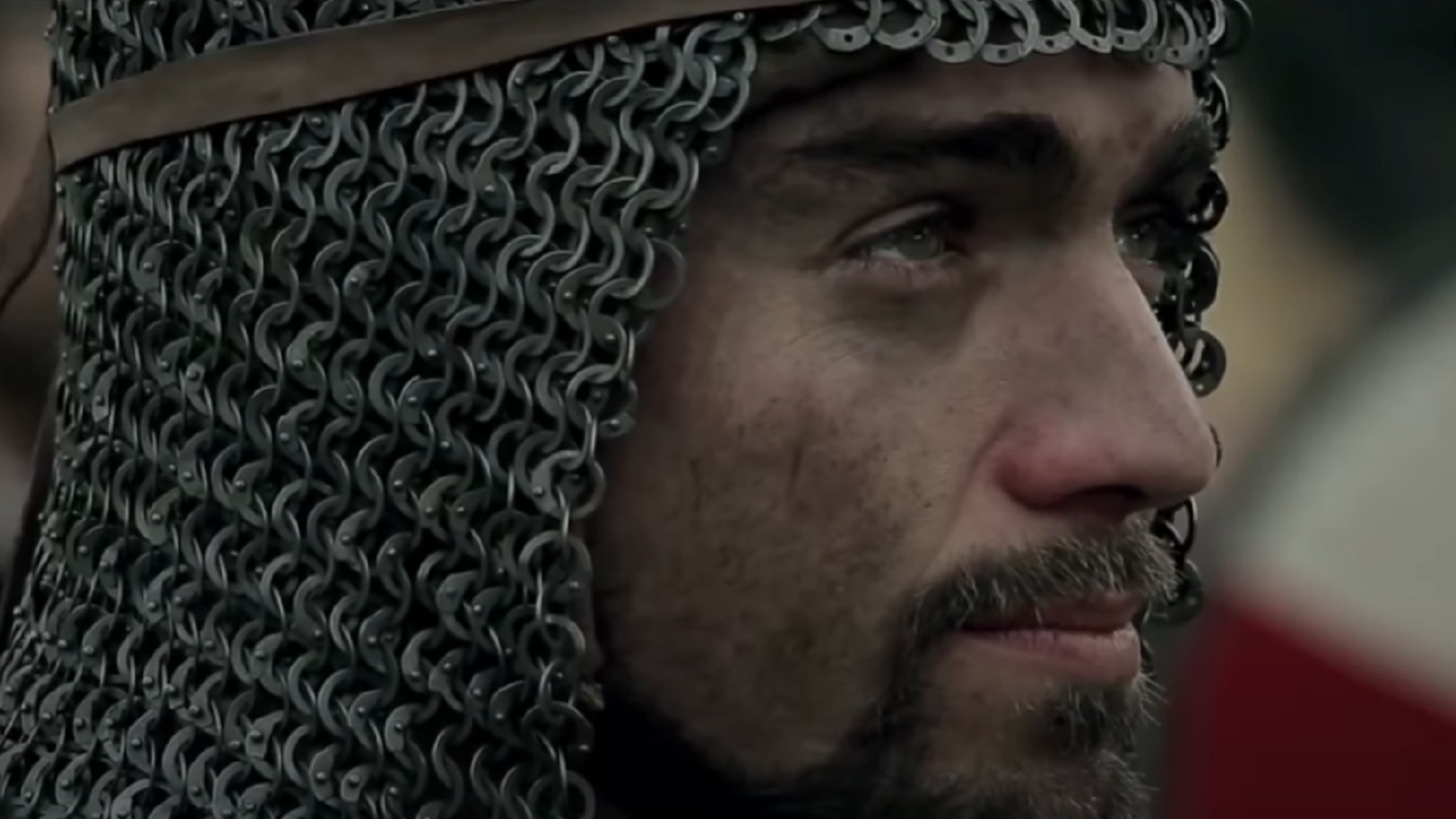 Screenshot from Richard The Lionheart, Wonderphil Entertainment (2013)
The Castle's Defender Faced A Terrible Fate
As Richard's condition worsened, the fate of the person who had shot him became an important part of the story recorded by medieval chroniclers. According to several accounts, the crossbowman was captured and eventually brought before the dying king. The identities supplied by different sources do not agree, making it difficult to establish exactly who fired the fatal shot. What followed, however, became one of the most frequently retold episodes of Richard's life.
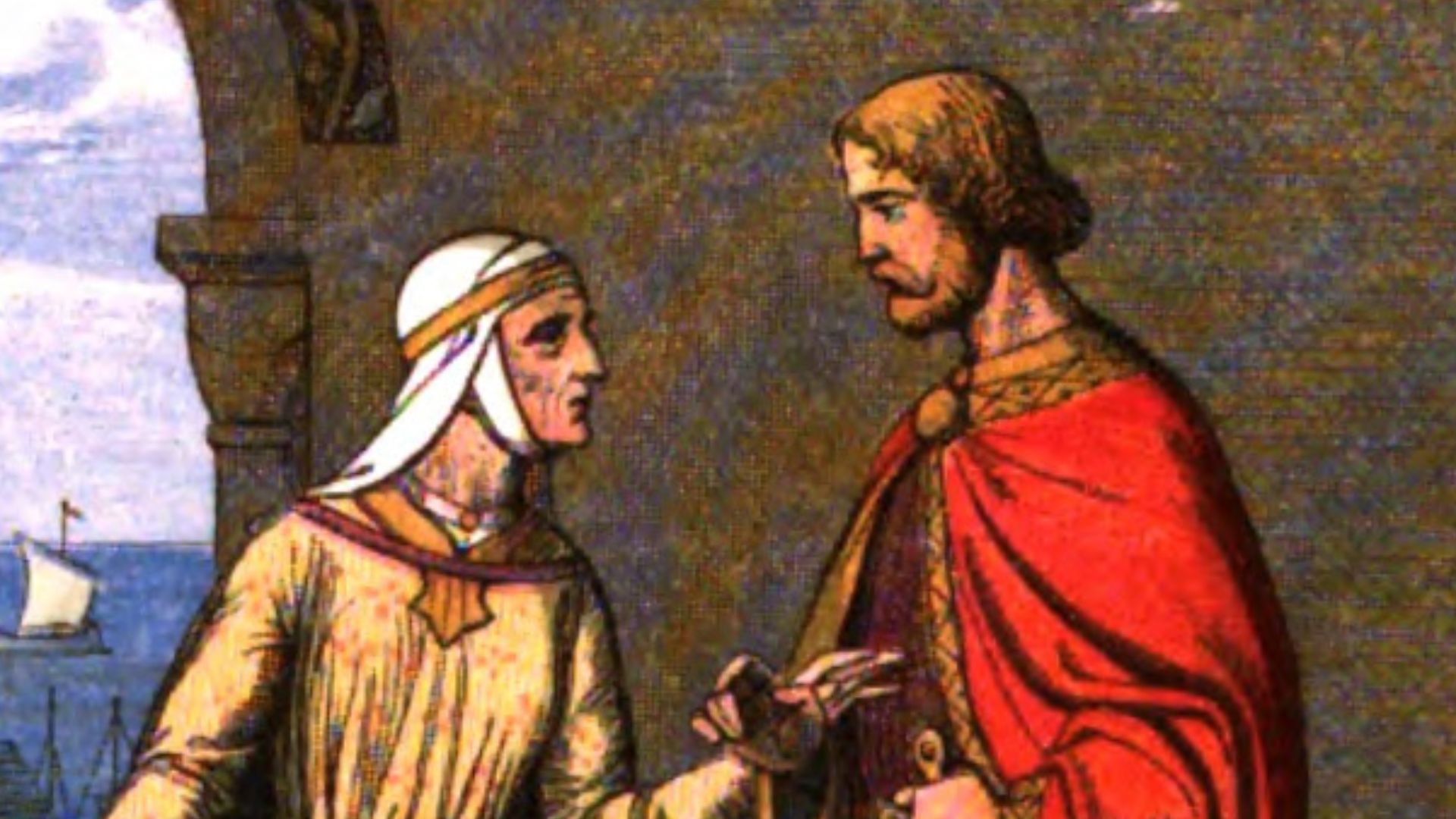 James William Edmund Doyle / Edmund Evans, Wikimedia Commons
The Archer Had More Than One Name
One famous version identifies the defender as Bertrand de Gourdon, while other accounts use names including Peter Basil. The disagreement demonstrates how quickly the details surrounding Richard's death became entangled with competing historical traditions. Some chroniclers portrayed the crossbowman as a young man or boy, although his actual age remains uncertain. The enduring story of the youthful archer is therefore best understood as a dramatic medieval account rather than an independently established fact.
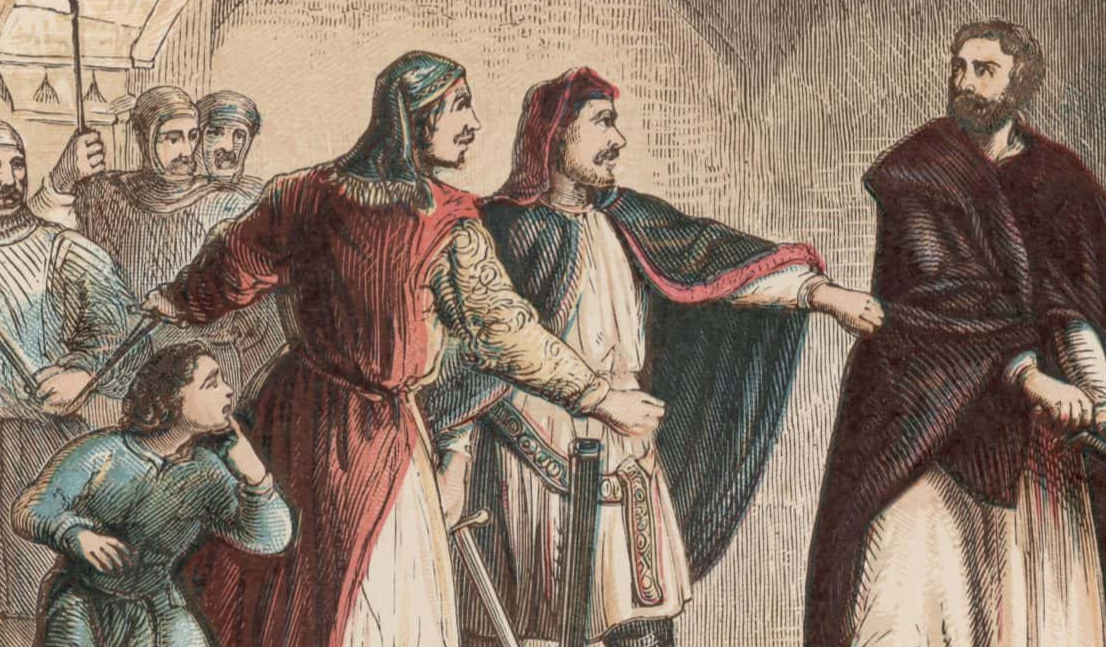
A Young Man With A Grudge
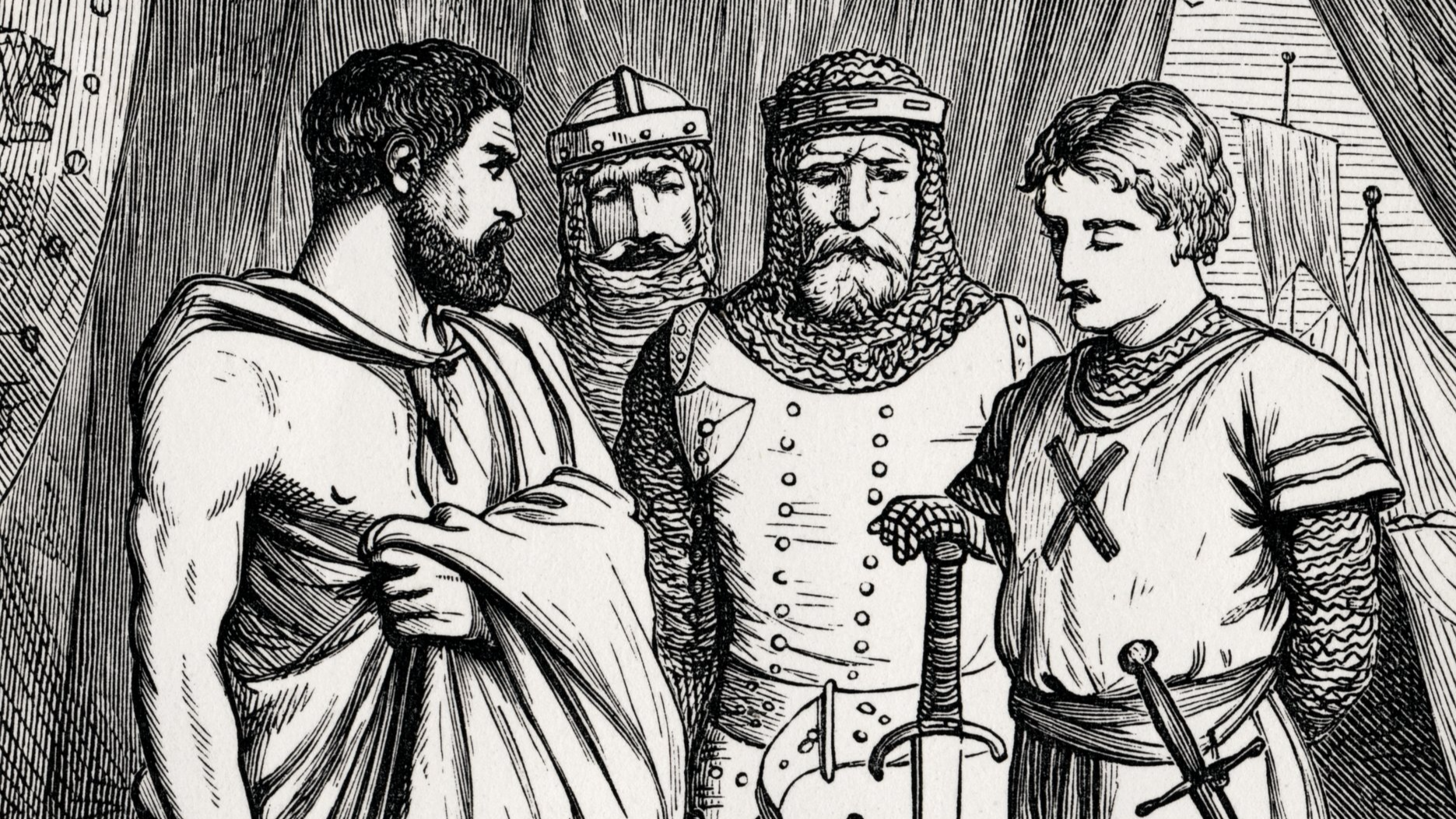
In the best-known version of the encounter, the young crossbowman told Richard that the king had killed his father and two brothers. He explained that he had fired his weapon in revenge, transforming what appeared to be an ordinary act of castle defense into a deeply personal confrontation. This conversation appears in traditional retellings, but historians cannot verify that the exchange happened exactly as described. Nevertheless, the accusation gave the story a powerful moral dimension by confronting Richard with the suffering caused by his wars.
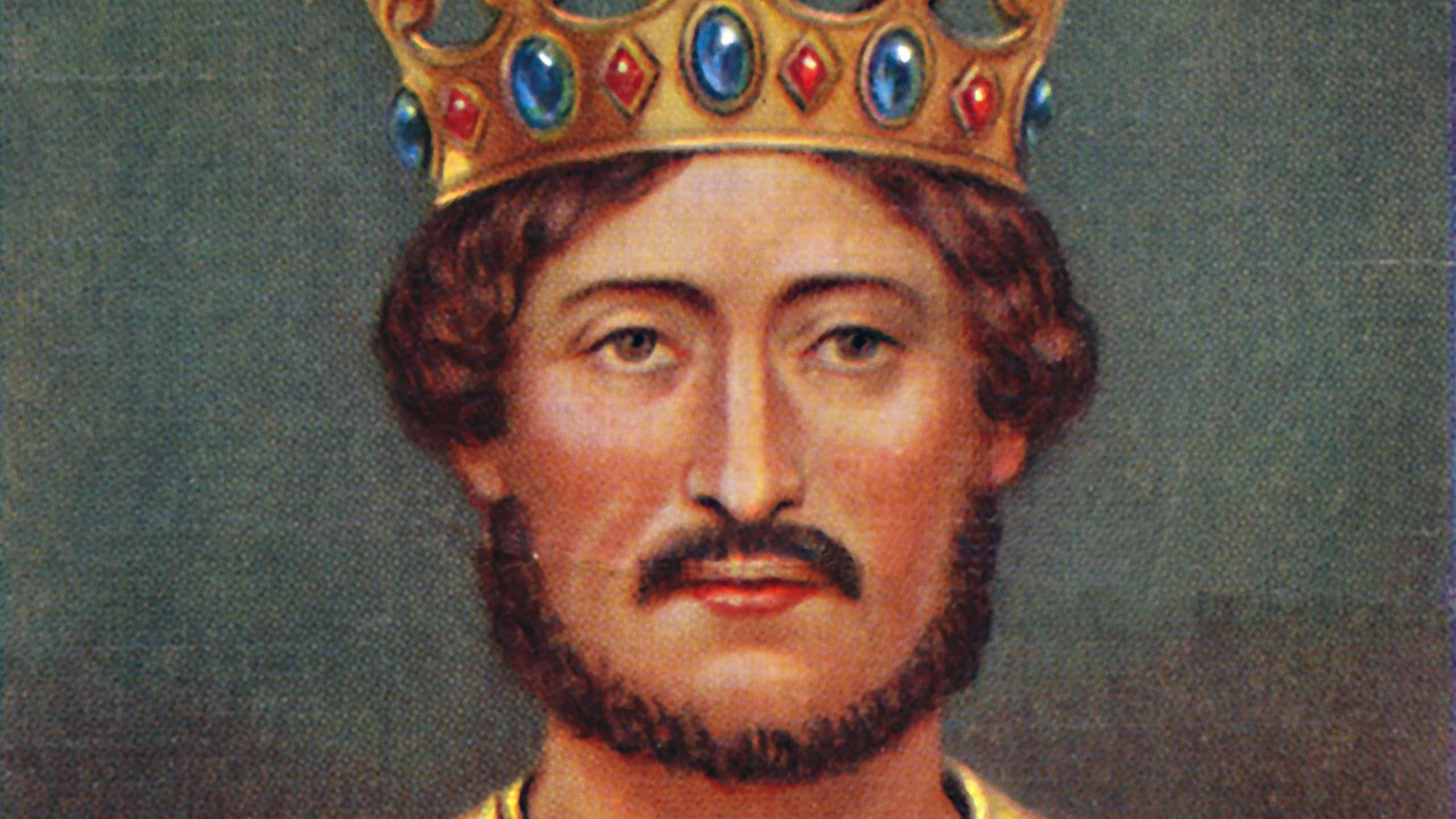
The King Asked One Final Question
Traditional accounts describe Richard questioning the captive about why he had deliberately targeted him. The young defender reportedly answered without apologizing, maintaining that he had acted to avenge his family. The conversation presented an extraordinary reversal of power, with a dying monarch facing someone who had struck him from a castle wall. Whether the dialogue was preserved accurately or embellished by later storytellers, its central theme became inseparable from the legend of Richard's death.
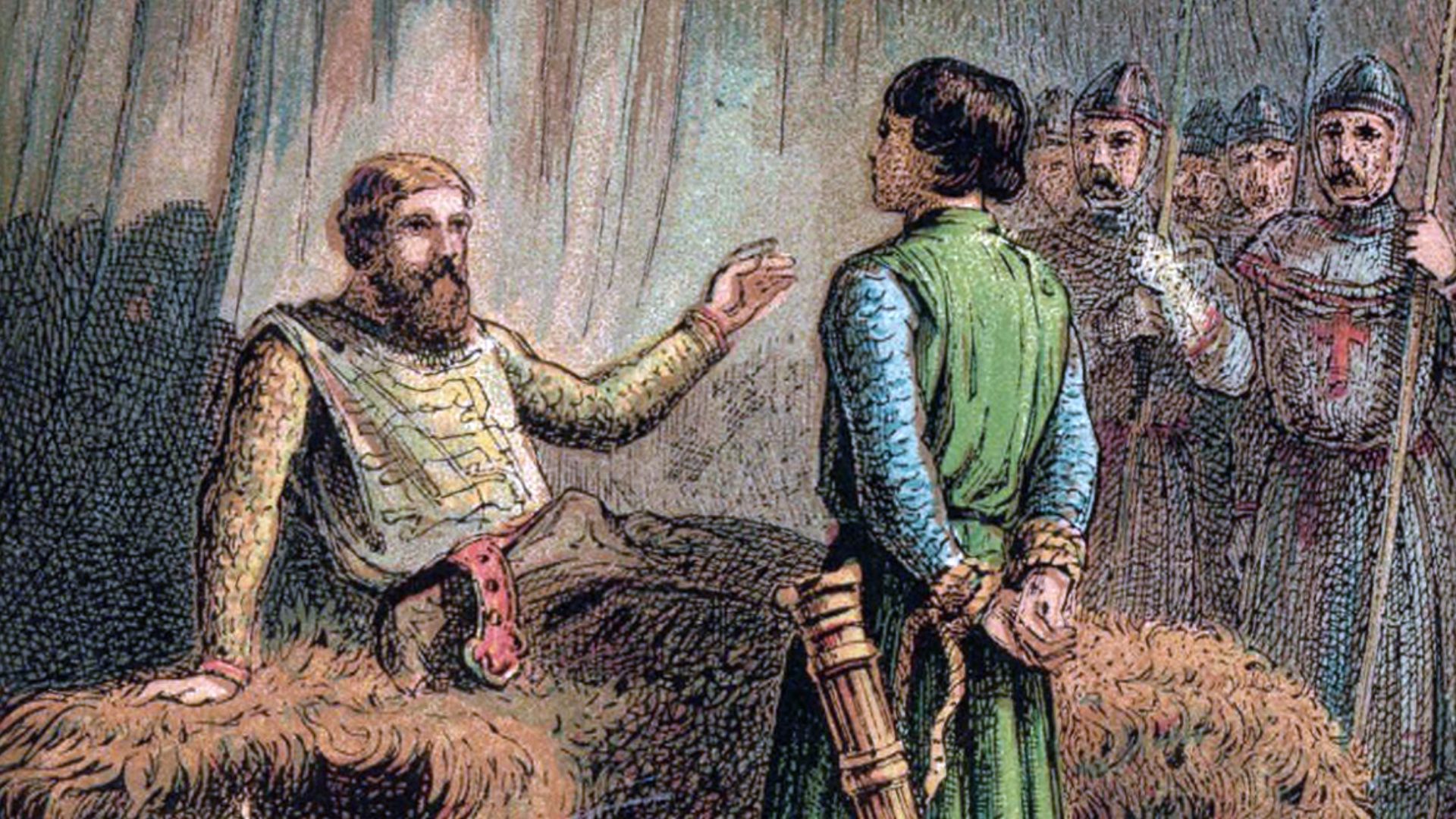 Joseph Martin Kronheim (1810–96)[1], Wikimedia Commons
His Answer Was Completely Unexpected
According to the historical tradition, Richard chose not to punish the man who had mortally wounded him. Instead, the dying king forgave the crossbowman and ordered that he should be allowed to leave unharmed. Some versions add that Richard instructed his attendants to give the captive 100 shillings before releasing him. The pardon is reported in medieval accounts, although the precise words and circumstances vary between versions.
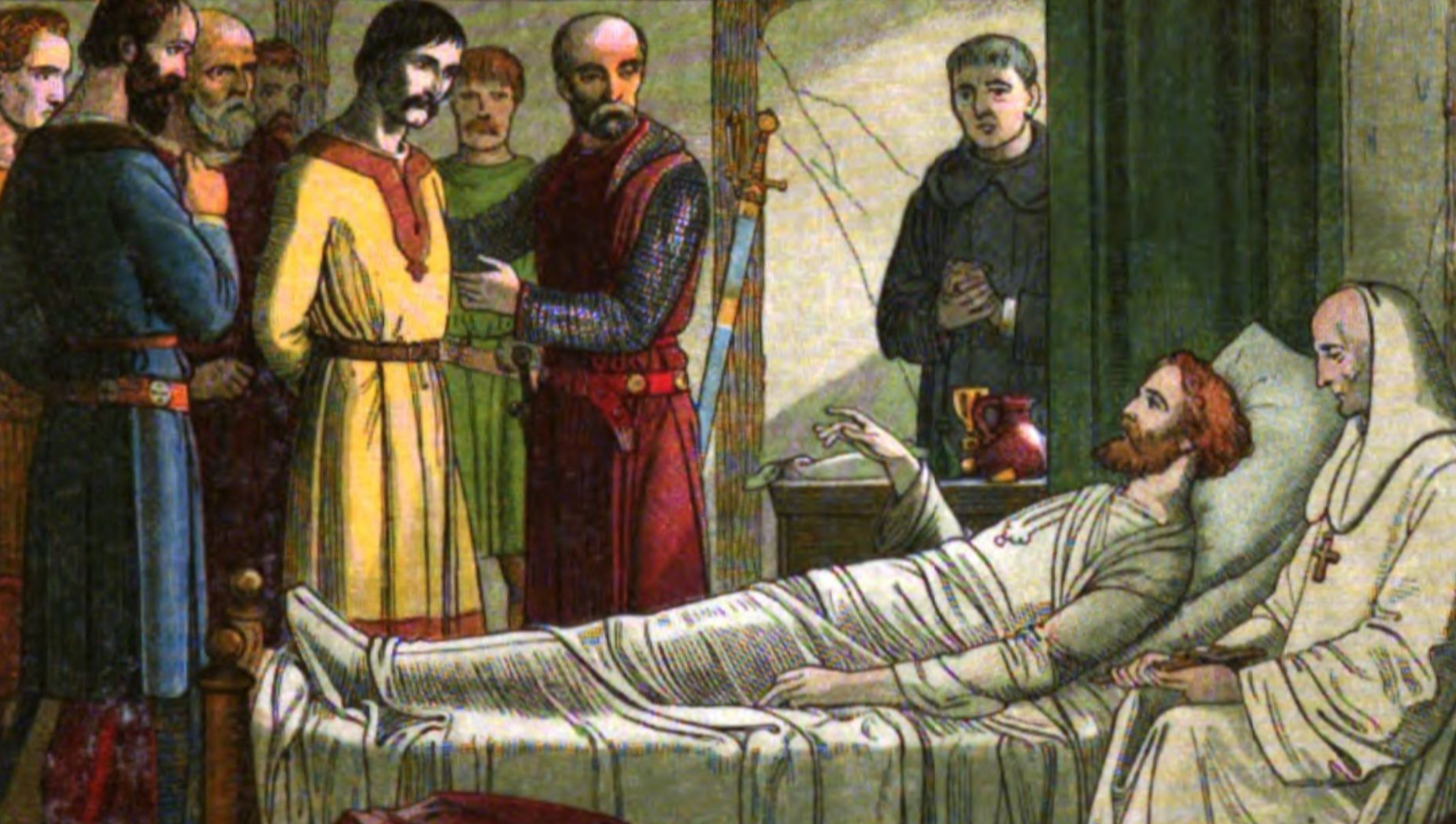 James William Edmund Doyle / Edmund Evans, Wikimedia Commons
Mercy From A Ruthless Warrior
Richard's reported forgiveness stands in striking contrast to the violence that characterized much of his military career. This was a king who had authorized executions, devastated enemy territories, and spent much of his adult life fighting wars. Yet the story portrays him extending mercy to the person directly responsible for his approaching death. Whether motivated by religious conviction, personal magnanimity, or the desire to make peace before dying, the gesture became one of his most memorable acts.
 Screenshot from Richard the Lionheart: Rebellion, Claang Entertainment (2015)
But His Soldiers Had Other Ideas
The traditional account takes an especially grim turn after Richard's pardon of the crossbowman. According to one chronicle tradition, Richard's mercenary commander Mercadier refused to honor the king's wishes and had the captive flayed alive and hanged after Richard died. The gruesome punishment appears repeatedly in later retellings, although the conflicting identification of the archer makes the account difficult to verify. As a result, the claim that Richard's last act of mercy was deliberately overturned remains a disputed element of the story.
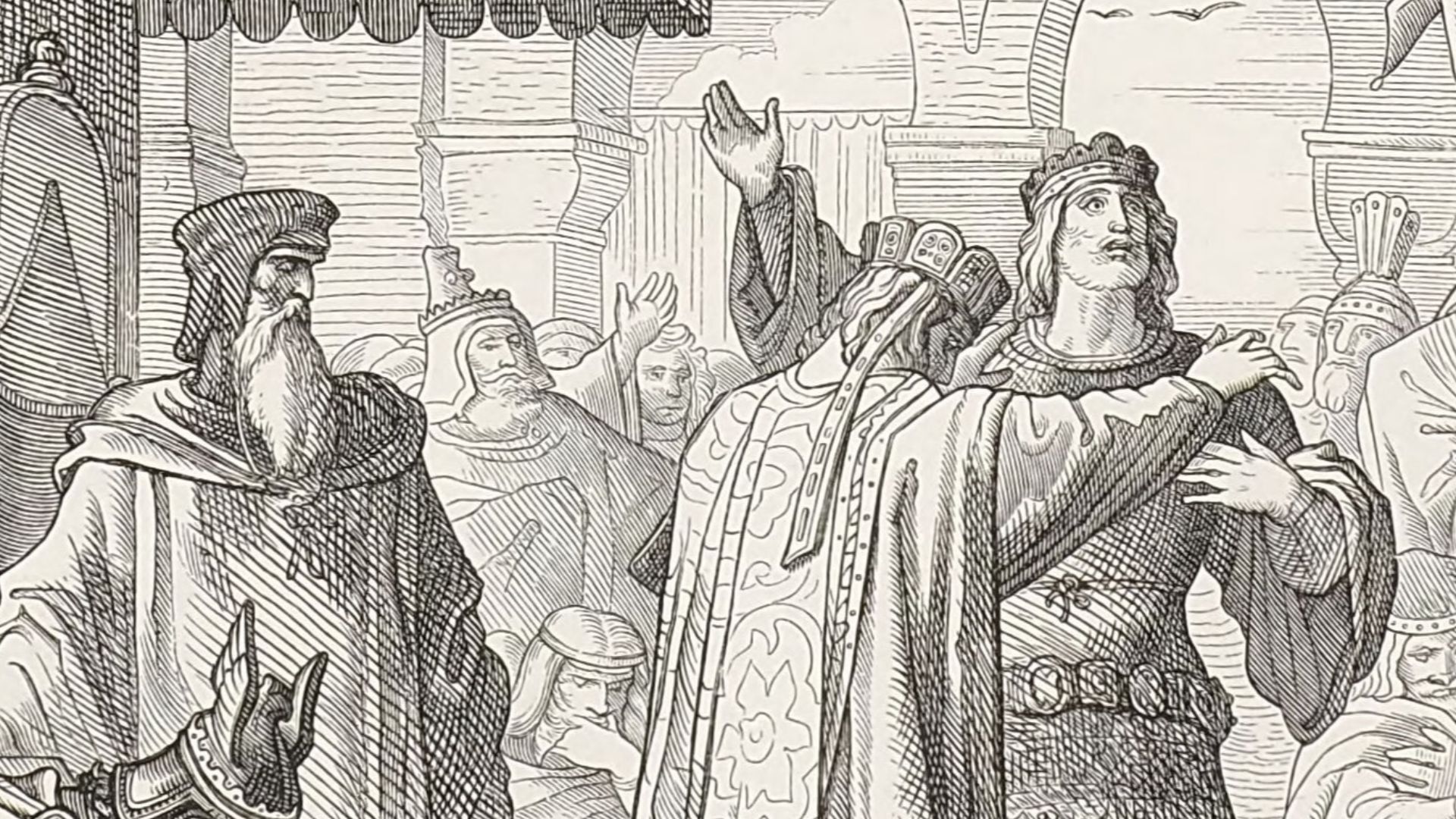 Michael Echter, Wikimedia Commons
The Lionheart Finally Fell
Richard died on April 6, 1199, approximately eleven days after receiving his wound at Châlus-Chabrol. He was 41 years old, although some historical accounts incorrectly describe him as 42. His mother, Eleanor of Aquitaine, was traditionally said to have been present at his deathbed, adding another poignant detail to the king's final hours. The death of one of Europe's most formidable military leaders brought his turbulent reign to an abrupt conclusion.
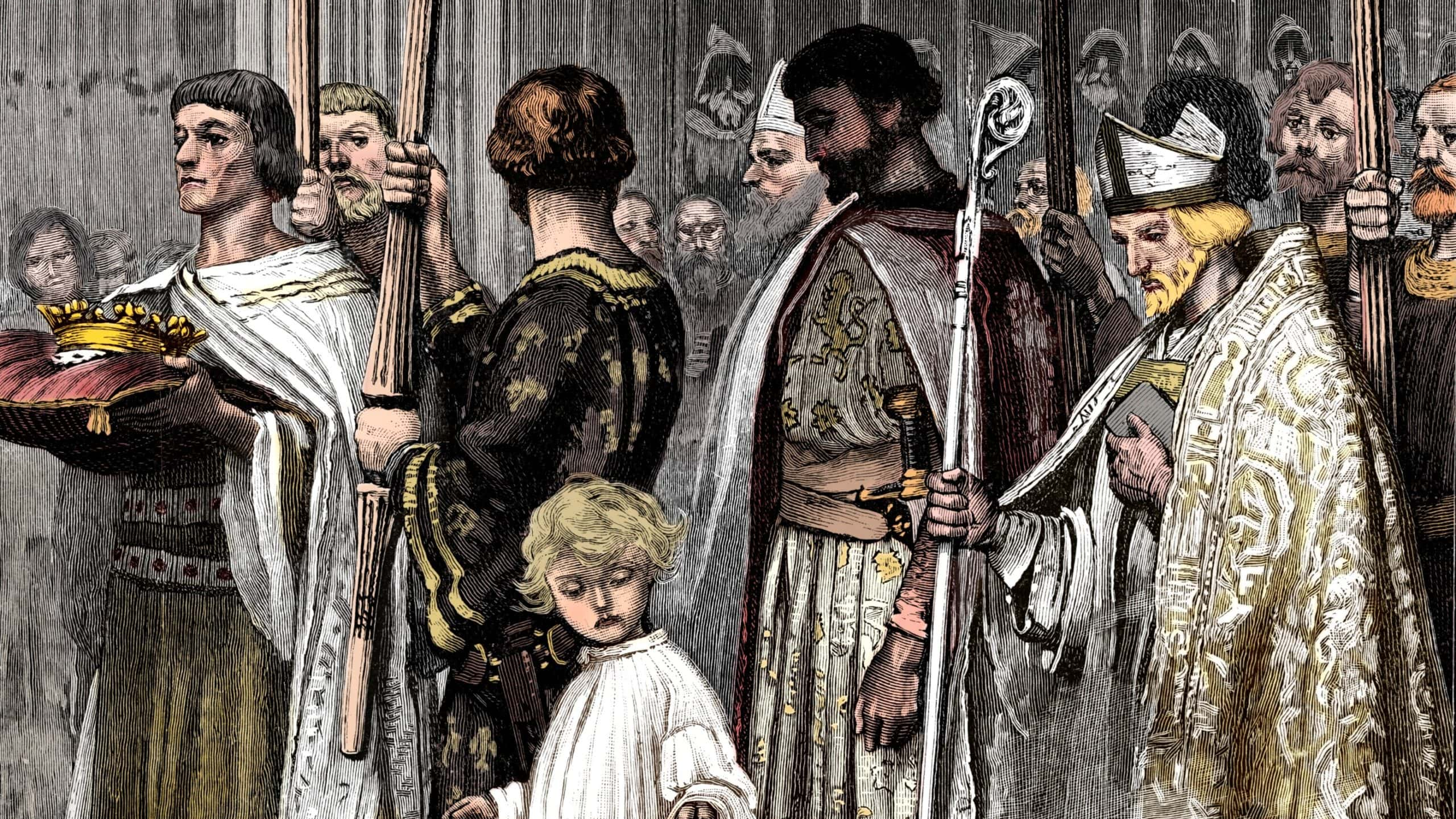
His Body Was Divided Between Three Places
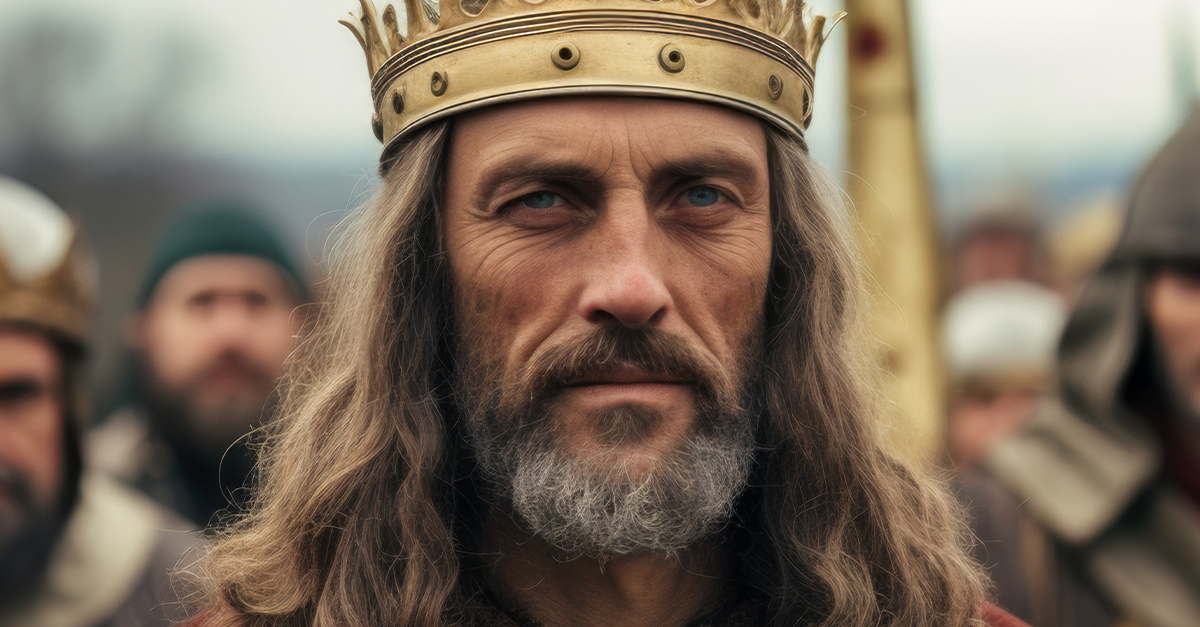
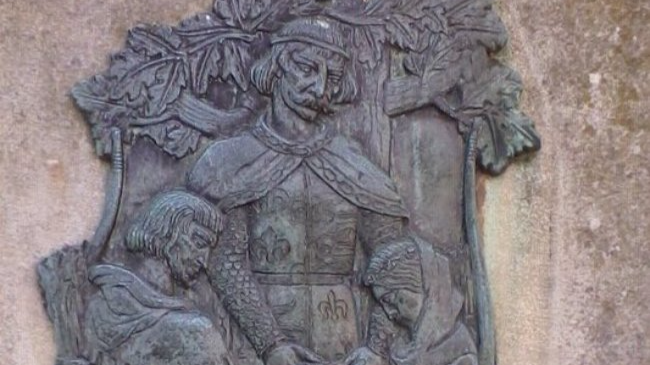
Richard's remains were separated and buried in different locations, following a practice sometimes used for important medieval figures. His body was interred at Fontevraud Abbey near his father, Henry II, while his entrails were buried at Châlus. His heart received a separate burial in Rouen, a city of great importance within the territories he had ruled. The unusual arrangement reflected both practical considerations and the political symbolism attached to royal remains.
Scientists Examined His Heart Centuries Later
In 2013, researchers published a scientific analysis of material recovered from the container that had held Richard's embalmed heart. Their investigation identified substances including frankincense, mint, myrtle, and other materials associated with medieval preservation techniques. Some ingredients carried religious significance, with the embalming process drawing on Christian traditions surrounding the treatment of sacred bodies. The study revealed remarkable details about how Richard's remains had been prepared, although it could not establish the precise infection that killed him.
 RichardUK2014, CC BY-SA 3.0, Wikimedia Commons
His Brother Inherited A Dangerous Kingdom
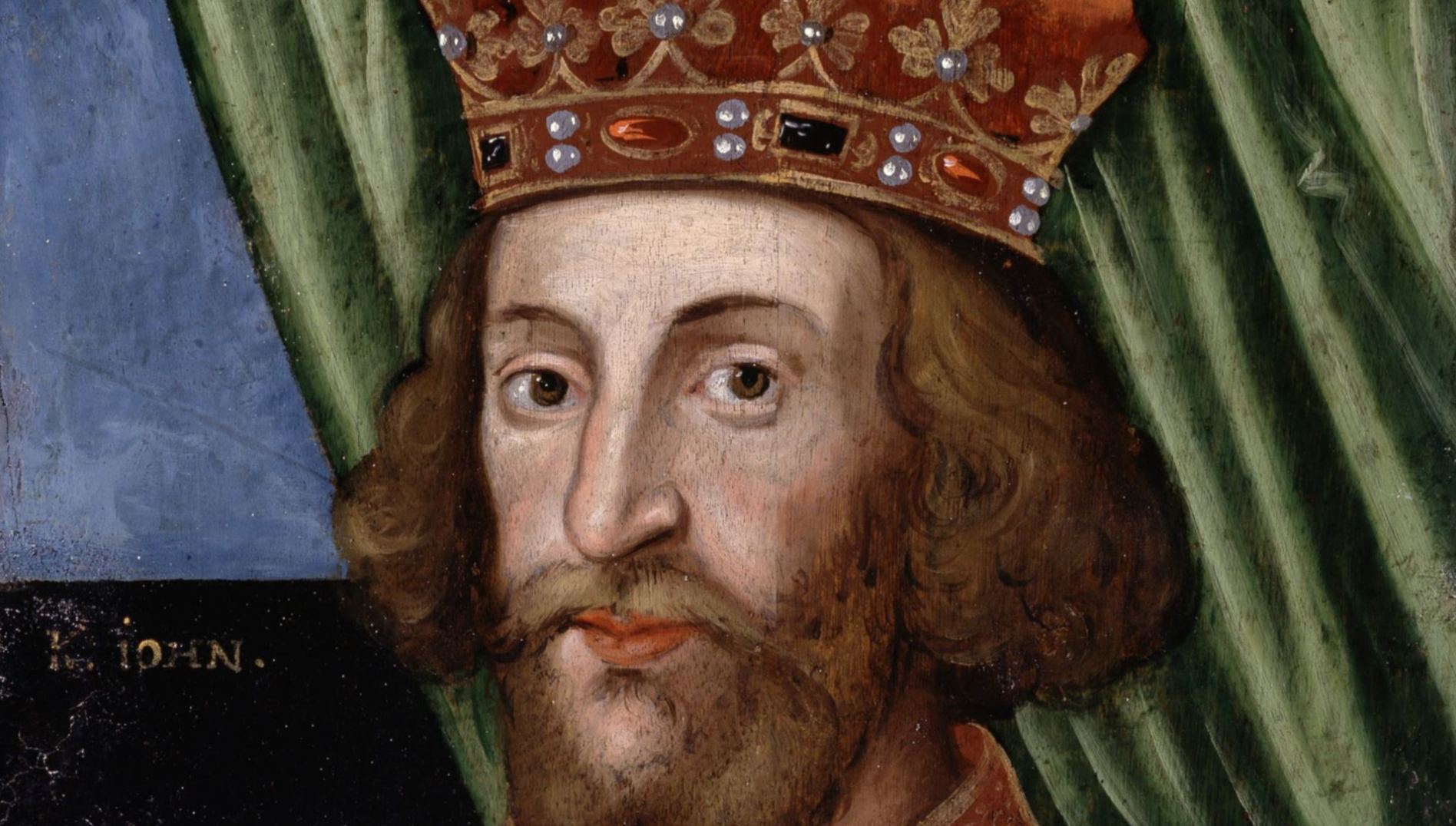
Following Richard's death, his younger brother John became king of England, inheriting a difficult political situation. John struggled to maintain the continental empire that Richard had fought so fiercely to defend, eventually losing Normandy and other important territories to Philip II. His troubled reign later produced the confrontation with rebellious English barons that resulted in Magna Carta in 1215. Richard's death therefore marked a turning point not only for his family but also for the political future of England and France.
 British – School Details on Google Art Project, Wikimedia Commons
The Boy Who Brought Down A Legend
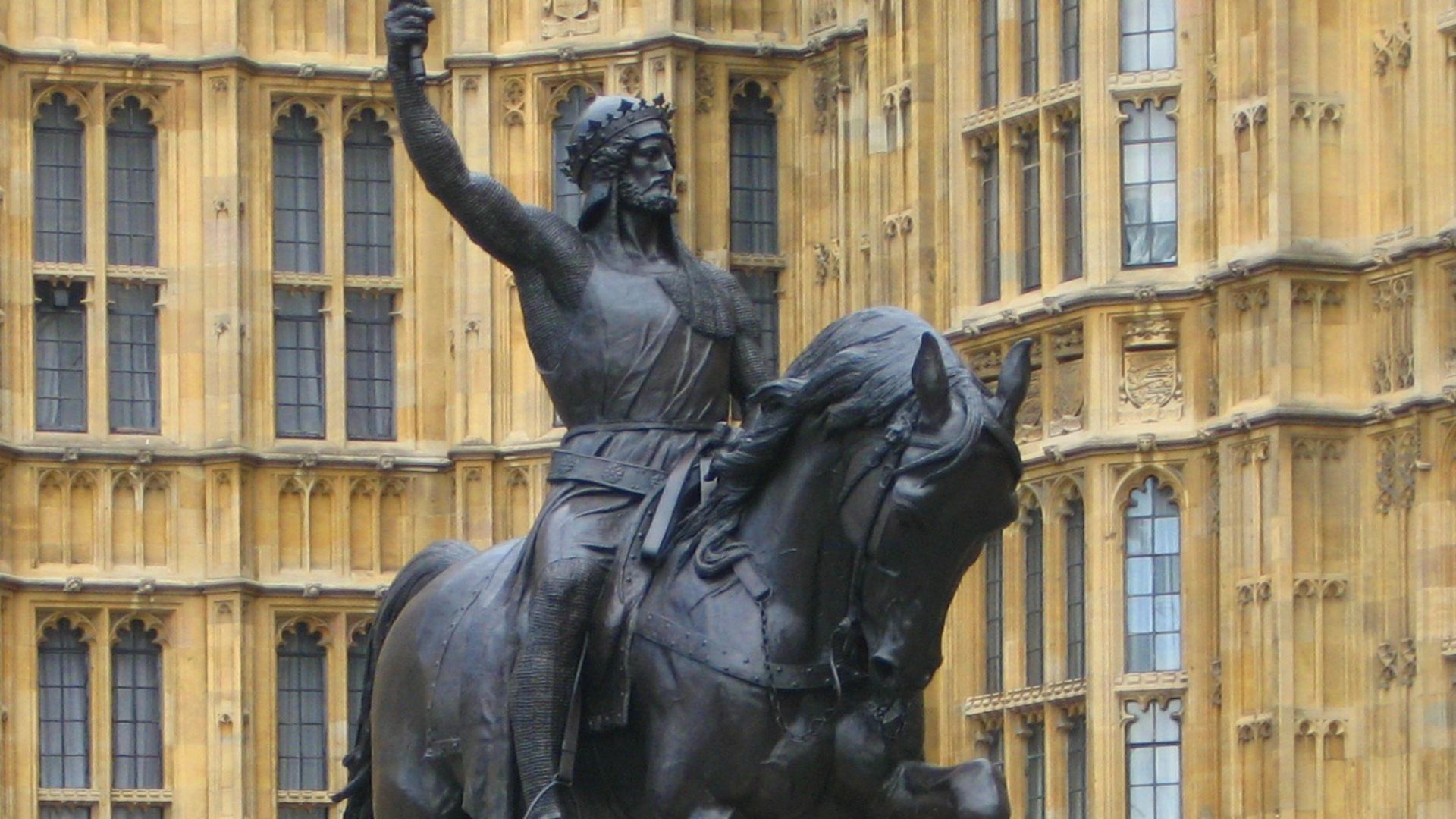
Richard the Lionheart remains famous for his courage, military ability, and extraordinary adventures, yet his final campaign ended at a comparatively obscure fortress. The story of the youthful archer who confronted him before his death has survived for centuries, even though its most dramatic details cannot be conclusively verified. What is certain is that a single crossbow bolt ended the life of a king who had survived some of the fiercest conflicts of his age. His reported decision to forgive the man who shot him has endured as one of medieval history's most remarkable tales of mercy.
 Jitze Couperus, Wikimedia Commons
You May Also Like:
The Toughest Warriors In History
Bizarre Facts About Every English Monarch
The Greatest Military Geniuses In History
Editor's note: The archer's youth, alleged motive of revenge, and punishment after Richard's death come from conflicting historical traditions. The article distinguishes those accounts from the established circumstances of Richard's fatal injury. Source 6 is a nineteenth-century literary retelling, included to document the later popular version rather than independently verify the medieval events.